

Products
Choosing Fire Sprinkler Pipes for Safety in Russia


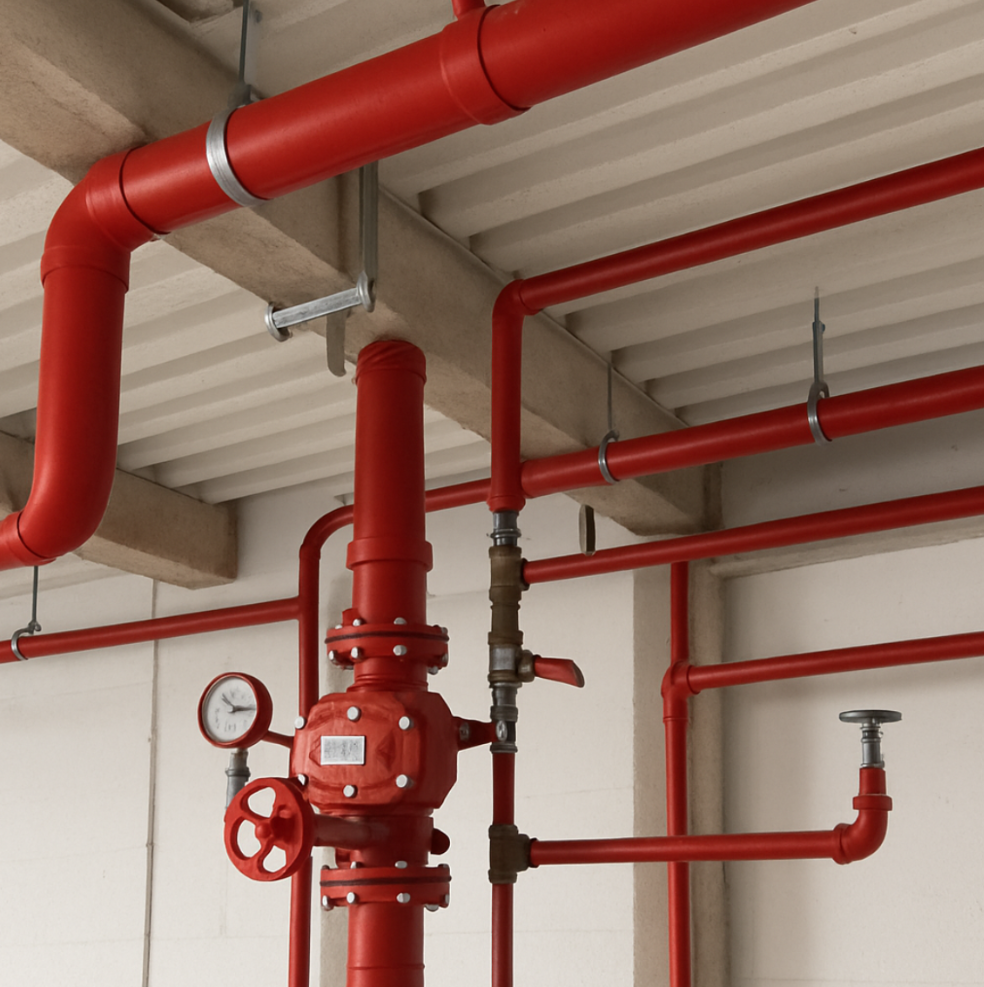
How to Choose the Right Fire Sprinkler Pipe for Fire Safety Systems (Russia Market Guide)
When designing an effective fire safety network for commercial or industrial facilities, the materials you choose can literally mean the difference between a minor incident and a catastrophic loss. This is especially true in regions with extreme climates and stringent regulatory frameworks. If you are sourcing a fire sprinkler pipe in Russia, you face a unique set of challenges—from navigating complex building codes to outsmarting sub-zero Siberian winters.
In this guide, we will break down exactly how to select, install, and maintain the ideal piping for your fire prevention systems while staying fully compliant with local Eurasian standards.
Understanding Russian Regulations and Standards
Compliance is the cornerstone of any commercial construction project. In Russia, the design and installation of fire sprinkler systems are heavily regulated to ensure maximum public safety.
Before purchasing any materials, you must familiarize yourself with the Russian fire safety building codes SP 485 (specifically SP 485.1311500.2020), which govern automatic fire extinguishing systems. This document outlines the exact parameters for hydraulic calculations, pipe spacing, and hazard classifications. For official updates and fire-safety guidance, consult Russia’s emergency services authority at EMERCOM (МЧС России).
Furthermore, all piping materials must adhere strictly to GOST standards for fire suppression systems. These national standards dictate the metallurgical composition, manufacturing processes, and testing procedures for structural steel and polymer pipes. You can reference Russia’s official standards portal via Rosstandart (gost.ru).
A common question among foreign contractors and local developers alike is: what are fire sprinkler pipe thickness requirements? Under GOST and SP 485 guidelines, the required wall thickness depends heavily on the operating pressure of the system and the hazard level of the facility. Typically, higher-pressure industrial systems require Schedule 40 steel pipes, while lighter hazard environments might permit thinner walls, provided they pass pressure testing.
Finally, never purchase materials that lack proper documentation. Ensure your components hold a VNIIPO certification for fire equipment. VNIIPO is the All-Russian Research Institute for Fire Protection, and their certification guarantees that the pipes have survived rigorous, real-world fire testing. Learn more at the official VNIIPO website.
Navigating the Climate: Wet vs. Dry Systems
Russia’s legendary winters dictate a specialized approach to fire safety engineering. A system that works perfectly in a heated Moscow office building will fail catastrophically in a remote Siberian logistics hub. (You can also share a deeper explainer on wet vs. dry fire sprinkler systems with your project team.)
Heated Environments
If your building maintains a consistent, warm temperature year-round, you will likely look into how to install wet pipe sprinkler systems. These are the most common, cost-effective, and fastest-reacting systems available. Because the pipes are constantly filled with pressurized water, they discharge immediately when a sprinkler head is triggered by heat.
Freezing and Unheated Environments
Water expands when it freezes, which will easily shatter standard steel piping. For facilities exposed to the elements, engineers generally recommend a dry pipe system for unheated warehouses. In these systems, the pipes are filled with pressurized air or nitrogen. When a fire triggers a sprinkler head, the air escapes, a valve opens, and water rushes into the pipes.
Alternatively, for smaller unheated zones, an anti-freeze fire sprinkler system design might be employed. These systems use a specialized, non-toxic antifreeze solution mixed with water to lower the freezing point, ensuring the fluid remains liquid even during harsh Russian winters.
Choosing the Right Material: Steel, CPVC, and Coatings
The debate over CPVC vs steel fire sprinkler piping is common in modern construction. If you want, you can link this section to a material-selection page like CPVC vs. steel for sprinkler piping.
CPVC (Chlorinated Polyvinyl Chloride): Excellent for light-hazard residential or light commercial buildings. It is lightweight, immune to rust, and easier to install. However, SP 485 limits its use in high-hazard industrial settings.
Steel Piping: The undisputed heavyweight champion for industrial and commercial fire safety.
When opting for steel, many contractors choose a galvanized steel pipe for fire protection. The zinc coating provides an excellent barrier against moisture, which is vital for preventing corrosion in fire protection pipes—a major cause of long-term system failure.
For heavy industrial applications—such as oil refineries or chemical plants—standard welded pipes won't suffice. Instead, you must specify high pressure seamless steel pipes for sprinklers. Because they lack a welded seam, these pipes can withstand immense internal water pressure without structural weak points.
Enhancing Pipe Survival
Even steel can fail if exposed to extreme, prolonged heat. To combat this, contractors often apply a fire resistant coating for metal pipes. These intumescent paints swell when exposed to high temperatures, creating a thick, insulating char layer that protects the steel from warping or collapsing before the fire is fully suppressed. For broader international guidance and best-practice resources, you can also reference NFPA.
Sourcing Reliable Pipes in the Eurasian Market
Logistics and supply chain reliability are critical when sticking to strict construction timelines. Fortunately, you don't need to look far to find high-quality materials.
There are several highly reputable Russian manufacturers of fire fighting pipes located in industrial hubs like Chelyabinsk and Yekaterinburg. By sourcing locally, you reduce shipping costs and ensure the materials are natively compliant with GOST regulations. Many of these domestic producers consistently rank among the best fire sprinkler pipe brands in Eurasia, offering products that rival or exceed Western European imports in durability and pressure tolerance. If you have a supplier directory or contact page, you can link it here (for example: fire sprinkler pipe suppliers in Russia).
Maintenance and Inspection: Keeping the System Ready
Installing top-tier equipment is only half the battle. Regular maintenance is legally required and practically essential. To ensure your facility remains safe and compliant, use this basic industrial fire sprinkler pipe inspection checklist (you can link to your own version here: sprinkler inspection checklist):
Visual Inspection: Check for visible signs of external rust, particularly at joints and threaded connections.
Hanger and Support Check: Ensure all pipe hangers are securely fastened to the ceiling and are bearing the weight of the pipes evenly.
Pressure Gauge Monitoring: Verify that water (or air) pressure levels align with the original design specifications.
Leak Detection: Inspect valves, alarm check valves, and fittings for any micro-leaks or pooling water.
Internal Assessment: Every 5 years, conduct an internal inspection of valves and pipes to check for microbiologically influenced corrosion (MIC) or sediment buildup.
Final Thoughts
Selecting the correct fire sprinkler pipe in Russia requires a careful balancing act between regulatory compliance, climate readiness, and material strength. Whether you are installing heavy-duty seamless steel in a hazardous chemical plant or utilizing a dry system for a massive logistics center, prioritizing quality and GOST compliance is the key to success. By investing in the right materials today, you ensure your fire safety systems will perform flawlessly when you need them most, protecting both your property and human lives. If you’d like, link this conclusion to a next-step page such as request a project consultation.
Related Blogs
-
 How to Choose the Right Fire Sprinkler Pipe for Fire Safety Systems (Russia Market Guide)When designing an effective fire safety network for commercial or industrial facilities, the materials you choose can literally mean the difference between a minor incident and a catastrophic loss. This is especGalvanized Steel Pipe/Tube
 -
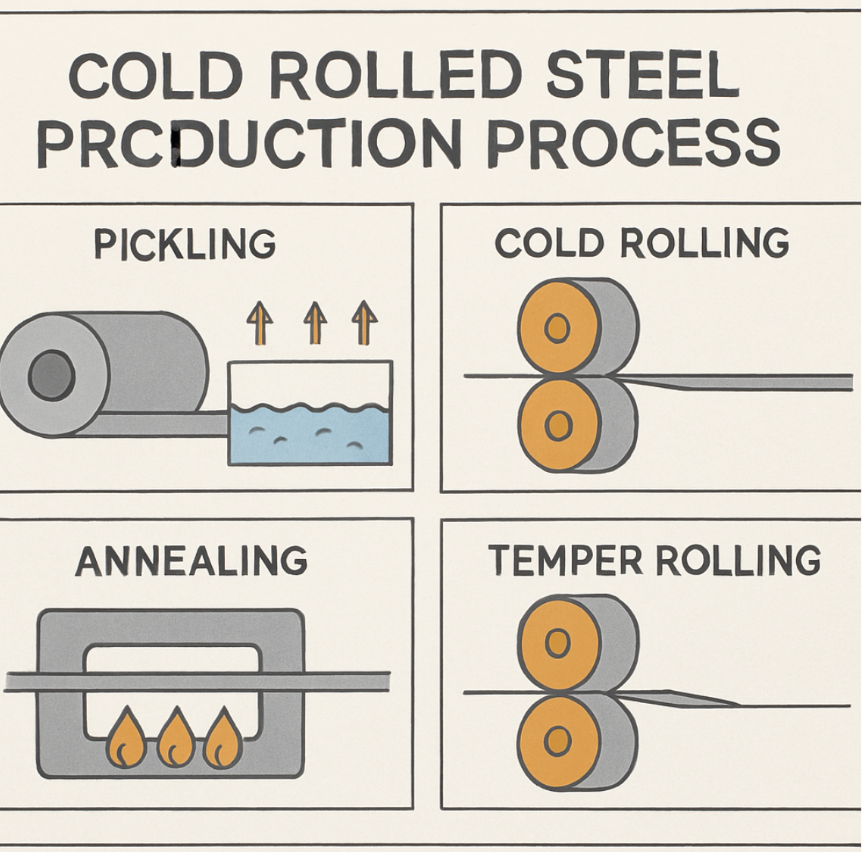 cold rolled steel sheet wholesale chinaCold rolled steel sheets are essential in many industries. They are known for their smooth finish and precise dimensions. These sheets are widely used in automotive, construction, and appliance manufacturing.China is a leading producer and exporter of steel sheStainless Steel Plate/Sheet
 -
 How to wholesale steel amp metal from China to Russia 2026 guideThe cross-border trade landscape is evolving rapidly, and as we look toward 2026, the demand for affordable, highly durable fashion accessories in Russia is at an all-time high. If you are an entrepreneur or retailer planning to scale yStainless Steel Plate/Sheet
