

Products
Square vs Round Steel Pipes: Choose the Best Fit


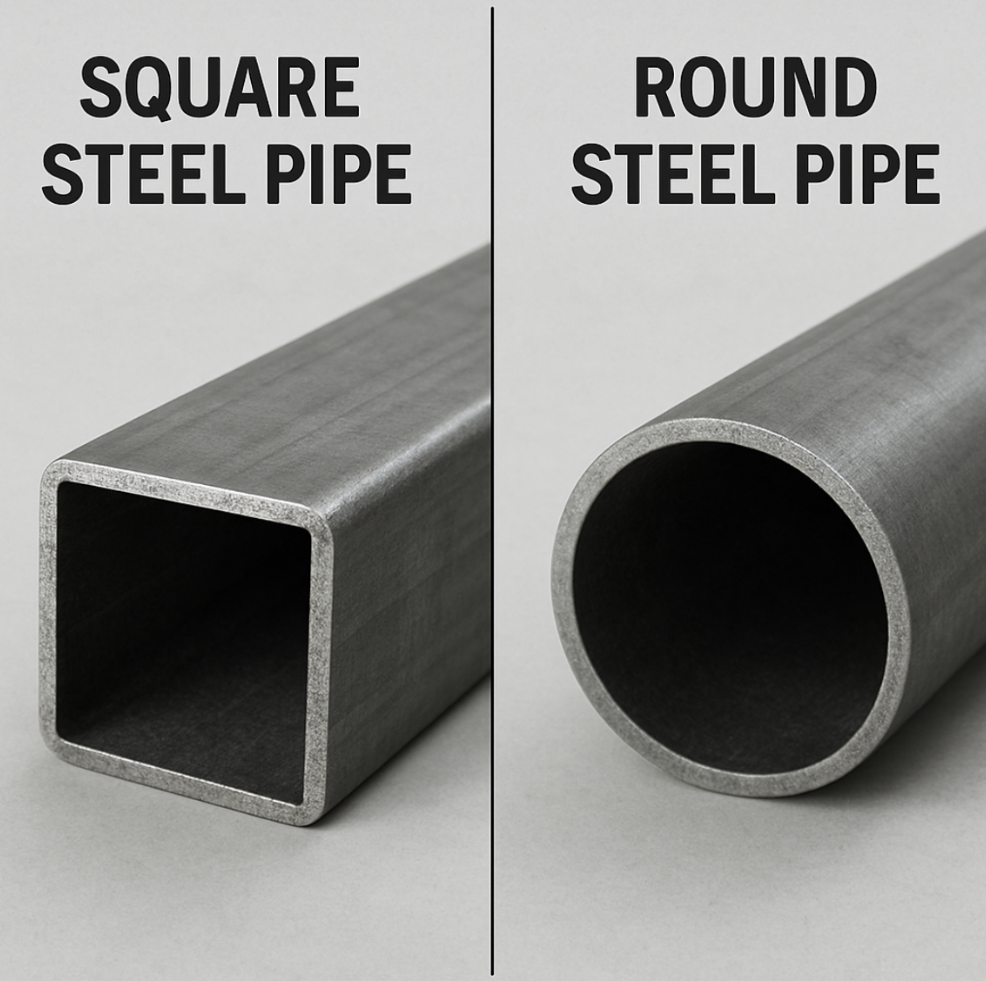
Square vs Round Steel Pipe Which is Better for Your Project
Choosing the right steel pipe is crucial for any construction project. The decision often boils down to square vs round steel pipes. Each type has unique benefits and applications. Understanding these differences can help you make an informed choice.
Square steel pipes are known for their aesthetic appeal and ease of joining. They are often used in construction for their modern look and structural advantages. Round steel pipes, on the other hand, excel in applications requiring fluid flow, like plumbing and HVAC systems (see ASHRAE for HVAC background).
The choice between square and round steel pipes depends on your project's specific needs. Factors like load-bearing capacity, aesthetic considerations, and installation ease play a role.
This guide will explore the key differences and help you decide which type is better for your project.
Understanding Square and Round Steel Pipes
Steel pipes come in two primary shapes: square and round. Each type serves different roles in construction and design. The shape impacts both functionality and aesthetic.
Square steel pipes offer flat surfaces, making them ideal for joining and cutting. They integrate seamlessly into angular and modern structures. Due to their geometric shape, they provide a contemporary look. For quick spec checks, add a link to your square tube size chart : square steel pipe sizes.
Round steel pipes are perfect for projects involving fluid movement. Their shape naturally accommodates bends and curves. They are often used in industries that prioritize fluid flow and structural integrity. If you have a page that explains schedules and standard dimensions, link it here : round steel pipe sizes / schedule chart.
Key characteristics of each type include:
Square Pipes: Aesthetic, modern, easy to join
Round Pipes: Ideal for fluid flow, strong, flexible
These traits help determine their suitability for various projects.
Key Differences: Square vs Round Steel Pipe
When choosing between square and round steel pipes, consider their fundamental differences. These differences greatly affect their utility in various projects.
Square steel pipes excel in structural projects. Their flat surfaces simplify welding and bolting, providing stability. This makes them ideal for frames, fences, and architectural enhancements. If your site covers structural tubing/HSS for frames, add an internal link here: structural steel tubing for frames. For industry guidance on HSS usage, see the Steel Tube Institute and AISC.
Round steel pipes handle internal pressure better. Their curved structure evenly distributes stress, making them perfect for plumbing and HVAC systems. They're common in sectors needing pressure management.
Key differences include:
Structure: Square pipes provide flat surfaces; round pipes distribute stress.
Application: Square for structural use; round for fluid and air systems.
Versatility: Square pipes suit frames; round pipes excel in curved designs.
Beyond functionality, the shape impacts installation ease. Square pipes are simpler to align but may lack the aerodynamic qualities of round pipes. Meanwhile, round pipes bend without compromising strength, offering flexibility in complex layouts.
Understanding these differences helps in making a well-informed selection for any project. Each type has unique strengths that suit specific needs and applications.
Strength and Structural Performance
The strength of steel pipes is crucial in determining their suitability for various applications. Both square and round pipes offer distinct structural benefits.
Square steel pipes provide enhanced stability under torsional forces. Their geometric configuration offers support in construction tasks requiring sturdy frameworks or column-like structures. They are often preferred where rigidity is paramount.
Round steel pipes excel in distributing external pressures evenly. This characteristic enhances their performance in applications like pipelines and exhaust systems. The seamless shape enables them to carry loads better in multi-directional environments. If you cite dimensions, weights, or simple engineering reference values, you can cross-check against Engineering ToolBox and then point readers to your own calculator : steel pipe weight calculator.
Considerations for strength and performance:
Torsion resistance: Square pipes excel in resisting twisting.
Pressure distribution: Round pipes efficiently manage lateral stress.
Load-bearing: Square pipes provide stable support; round pipes offer flexibility.
Choosing between these two types often hinges on the nature of the load and the environmental conditions. Projects demanding resistance to stress and bending might favor round pipes, while those needing rigid support could opt for square options.

by Samuel Sianipar
Applications: Where Each Pipe Excels
Steel pipes serve a wide range of applications. Each type has unique strengths based on its shape.
Square steel pipes are commonly used in construction and architecture. Their flat surfaces make welding and bolting easier in structural frameworks. They are ideal for building frames, fencing, and gates.
Conversely, round steel pipes thrive in fluid-related applications. Their shape allows efficient flow and minimizes resistance in plumbing and HVAC systems. They excel in oil and gas pipelines, where strength under pressure is essential.
Common applications for each pipe type:
Square steel pipes:
Structural support
Architectural design
Fencing and frameworks
Round steel pipes:
Plumbing systems
Oil and gas pipelines
HVAC installations
Ultimately, choosing the right pipe depends on the intended use. While square pipes offer aesthetic value in visible structures, round pipes perform better in environments subjected to dynamic fluid flow.
Aesthetic and Design Considerations
The look of a project can greatly influence the choice between square and round steel pipes. Square steel pipes provide a modern, sleek appearance. They often complement contemporary architectural styles.
On the other hand, round steel pipes are preferred in designs where fluidity and symmetry are desired. Their smooth curves can enhance the aesthetic of projects such as sculptures or flowing structures.
Design considerations include:
Square Pipes:
Modern and angular
Complement straight lines
Easy to incorporate into frameworks
Round Pipes:
Smooth and curvy
Ideal for flowing structures
Enhance visual harmony
Both types can enhance projects, depending on design goals. Consider the overall style and artistic intent when making your selection.
Cost, Availability, and Installation
Costs for steel pipes can vary based on shape, size, and material. Typically, round steel pipes might be more affordable due to the manufacturing process. However, costs can fluctuate with market demands and availability.
Square steel pipes might be preferred for projects needing simpler joining processes. Their flat surfaces can simplify cutting and welding. Installation might also be quicker, reducing labor expenses. If you have a how-to page for fabrication, link it here : steel pipe welding guide.
Considerations for cost and installation:
Round Pipes:
Often lower initial cost
Might require additional support
Ideal for large-scale industrial use
Square Pipes:
Simpler installation
Potentially higher material costs
Easier for use in structural frameworks
Both options have pros and cons related to their economic impact. Consider these factors alongside your project's specific needs.
How to Choose: Factors to Consider for Your Project
Choosing between square and round steel pipes requires careful thought. First, consider the project's purpose and which pipe shape aligns with your structural demands. A functional fit can dictate the effectiveness of your work.
Next, evaluate the aesthetic goals of your project. If a modern look is desired, square pipes might enhance visual appeal. Meanwhile, traditional designs might benefit from the classic round pipe appearance.
Key factors to contemplate:
Project Requirements:
Load-bearing needs
Fluid flow considerations
Design Preferences:
Modern vs traditional aesthetics
Integration with other materials
Material and compliance can matter, especially when your project references standards or tender requirements. Where relevant, cite widely used standards bodies like ASTM International and ISO, and connect readers to your own overview page : steel standards ASTM/EN/JIS.
Each project presents unique needs. Assess all the components before deciding which pipe shape best fulfills your project's goals.
Conclusion: Which is Better for Your Project?
Choosing between square and round steel pipes depends on your project's specific needs. Both have unique strengths.
Square pipes excel in structural stability and modern aesthetics. Conversely, round pipes are ideal for fluid transport and stress handling. Evaluate these factors to ensure the best fit for your work. For broader industry context, you can reference World Steel Association resources, and if corrosion protection is a key concern, see the American Galvanizers Association and your own internal guide: galvanized steel pipe / corrosion protection.
Related Blogs
-
 How to wholesale steel amp metal from China to Russia 2026 guideThe cross-border trade landscape is evolving rapidly, and as we look toward 2026, the demand for affordable, highly durable fashion accessories in Russia is at an all-time high. If you are an entrepreneur or retailer planning to scale yStainless Steel Plate/Sheet
 -
 Custom Stainless Steel Fabrication Services amp SolutionsCustom stainless steel fabrication services offer tailored solutions for diverse industries. These services create bespoke metal components to meet specific needs.Precision metal fabrication ensures high accuracy and quality in every piece proStainless Steel Plate/Sheet
 -
 Square vs Round Steel Pipe Which is Better for Your ProjectChoosing the right steel pipe is crucial for any construction project. The decision often boils down to square vs round steel pipes. Each type has unique benefits and applications. Understanding these differences can help you make an informeGalvanized Steel Pipe/Tube
