


Products
Ultimate Stainless Steel Guide: Composition & 304 Grade


Ultimate Guide to Stainless Steel: Composition, Grades (304), and Why It's the Best Choice
Stainless steel is a marvel of modern engineering. Its unique properties make it indispensable in various industries.
But what exactly is stainless steel? Stainless steel is a robust alloy known for its strength and resistance to corrosion. Among the many types available, 304 stainless steel is the most versatile grade used in modern manufacturing.It's an alloy known for its strength and resistance to rust.
The secret lies in its composition. Iron, chromium, and nickel are the primary elements.
Among the many grades, 304 stainless steel stands out. It's the most popular due to its versatility and durability.
Understanding stainless steel grades is crucial. Each grade has specific properties and applications.
This guide will explore the composition and types of stainless steel. We'll focus on why 304 stainless steel is often the best choice.
Whether you're an engineer, architect, or DIY enthusiast, this guide is for you. Discover why stainless steel is a top choice for countless projects.
What Is Stainless Steel?
Stainless steel is a robust and resilient alloy. It's primarily composed of iron with chromium and nickel added. This combination gives it unique properties.
Chromium is the key to stainless steel's success. It forms a thin layer of oxide on the surface. This layer prevents rust and corrosion.
Nickel enhances durability and luster. Together, these elements make stainless steel both strong and appealing.
Stainless steel is categorized by its content of these elements. A typical composition includes:
Iron: The main ingredient
Chromium: At least 10.5% for corrosion resistance
Nickel: Varies by grade for added strength
These metals make stainless steel an essential material. It's used in kitchenware, architecture, and industrial applications. Understanding its makeup is crucial for selecting the right type for specific uses.
Stainless Steel Composition: Elements and Their Roles
Stainless steel comprises several key elements. Each contributes to its unique properties and versatile applications. These elements interact to enhance performance.
Chromium plays a vital role in corrosion resistance. It forms a protective layer that guards against rust. This enhances the longevity of the material.
Nickel improves the alloy's workability and toughness. It adds ductility, which is essential for forming various shapes. Nickel's presence also boosts the aesthetic appeal.
Additional elements like manganese, nitrogen, and molybdenum are often included. Manganese increases hardness, nitrogen strengthens, and molybdenum enhances corrosion resistance in specific environments.
Common elements found in stainless steel include:
Chromium: At least 10.5%
Nickel: As much as 8% in certain grades
Carbon: Controls strength and hardness
Manganese, Nitrogen, Molybdenum: Enhance specific properties
These elements work in synergy to create a durable and flexible material. The exact composition determines the grade and type of stainless steel. Each combination suits different industrial and consumer needs.

Understanding Stainless Steel Grades and Types
Stainless steel grades help in identifying and selecting the right alloy for specific applications. They are determined based on the alloy's composition and mechanical properties. Knowing these grades ensures optimal performance.
Grades such as 304, 316, and others are popular due to their reliability. Each grade has its own unique attributes, suited for different uses. It's essential to match the grade with the intended environment.
The classification extends beyond mere chemical composition. Mechanical properties like tensile strength and resistance to temperature play crucial roles. These properties influence the grade.
Stainless steel grades can be categorized as:
300 Series: Known for austenitic properties, high corrosion resistance
400 Series: Includes ferritic and martensitic types
These grades are defined by the AISI grading system, which ensures consistent quality across the industry. Whether you are looking for kitchen sinks or industrial pipes, selecting the right grade is crucial for performance.
Duplex Stainless Steels: Combines benefits of austenitic and ferritic
Grading systems provide clarity to choose the correct alloy for projects. Understanding these differences can mean the success or failure of a structure or product.

Main Stainless Steel Types: Austenitic, Ferritic, Martensitic, Duplex
Stainless steel types are varied, each offering specific benefits. These types are austenitic, ferritic, martensitic, and duplex. Each type finds its niche based on its properties.
Austenitic stainless steels are known for their good corrosion resistance. They feature high levels of chromium and nickel. These alloys are widely used in household items.
Ferritic stainless steels contain moderate chromium without nickel. They offer good corrosion resistance and are magnetic. Ideal for automotive applications, they are cost-effective.
Martensitic stainless steels are known for strength and hardness. They have moderate chromium and carbon contents. These are used in cutlery and precision instruments.
Duplex stainless steels blend austenitic and ferritic properties. They offer increased strength and resistance to stress corrosion. Suitable for chemical processing environments.
Stainless steel types serve a spectrum of industries:
Austenitic: Kitchens and aerospace
Ferritic: Automotive and architecture
Martensitic: Cutlery and tools
Duplex: Chemical and marine applications
Understanding these types helps in selecting the right steel for the job.

Spotlight on 304 Stainless Steel: The Most Popular Grade
304 stainless steel stands as the most utilized grade globally. Its versatility and performance make it the preferred choice for many applications. This grade balances cost and superior properties, making it highly favorable.
In addition to its excellent corrosion resistance, 304 stainless steel offers remarkable formability and weldability. These features make it a staple in industries ranging from food processing to pharmaceuticals. Its availability and reliability contribute to its widespread use.
The adaptability of 304 stainless steel extends to various environments, whether industrial or household. It maintains its properties even when exposed to harsh conditions. This stability ensures longevity in diverse applications.
Common uses of 304 stainless steel include:
Kitchen equipment and utensils
Architectural paneling
Chemical containers
Medical instruments
This alloy is non-magnetic in its annealed state, a notable feature differentiating it from many other metals. With 304 stainless steel, industries ensure safety, durability, and productivity.

Chemical Composition of 304 Stainless Steel
The chemical makeup of 304 stainless steel is responsible for its remarkable qualities. It predominantly consists of iron, but specific elements define its character.
Key components include:
18% Chromium
8% Nickel
Carbon, Manganese, Silicon, Phosphorus, Sulfur, Nitrogen
Chromium provides corrosion resistance, while nickel enhances formability. These elements work in harmony to provide the stainless steel with its renowned attributes. The careful balance of these elements ensures both stability and performance in demanding settings.
Key Properties of 304 Stainless Steel
304 stainless steel offers an array of beneficial properties. These attributes are what make it a go-to choice across various sectors. Its capability to resist oxidation and rust is unmatched.
Notably, 304 stainless steel is prized for its tensile strength. This steel maintains structural integrity even under pressure. It also resists deformation, making it ideal for heavy-duty applications.
Thermal properties of 304 stainless steel are equally impressive. It withstands extreme temperatures, maintaining form and function across a broad range. Its low thermal conductivity is advantageous in specific thermal management scenarios.
Key properties include:
High corrosion resistance
Ease of fabrication and cleaning
Sustainability through full recyclability
This grade's multifaceted characteristics cater well to industries needing both strength and versatility.
304 vs. Other Stainless Steel Grades (201, 316, 409, etc.)
Comparing 304 to other stainless steel grades highlights its versatility. Each grade addresses distinct needs, yet 304 remains a frequent choice. It's worthwhile exploring how 304 stacks up against other options.
Grade 201 is similar but less expensive, with lower nickel content. It offers less corrosion resistance but remains useful for budget-sensitive applications. Grade 316 surpasses 304 in resisting chlorides and is suited for marine environments.
409 showcases excellent heat resistance, useful in exhaust systems. However, it does not match 304's formability or corrosion resistance. Every grade has unique applications where it excels.
Key comparisons:
201: Cost-effective, less corrosion resistance
316: Superior chloride resistance for harsh environments
409: Heat-resistant, used in automotive industries
While each grade serves its purpose, 304's balance of attributes makes it a mainstay in numerous sectors.

Benefits of Stainless Steel: Why It's the Best Choice
Stainless steel stands out for its remarkable benefits, making it the top choice for many projects. Its corrosion resistance is legendary, offering longevity in harsh environments. This property alone can justify its selection over other materials.
Versatility and adaptability are hallmarks of stainless steel. It features in everything from cutlery to skyscrapers, showcasing its broad utility. The material's aesthetic appeal further broadens its use in architectural designs and home applications.
The durability of stainless steel extends its lifecycle, reducing replacement and maintenance costs. Longevity coupled with low upkeep means cost savings over time. It's an investment in both quality and economy.
Stainless steel is also an environmentally friendly choice. It is 100% recyclable, often reused without loss of quality. This makes it ideal for sustainable projects focused on reduced environmental impact.
Key benefits of stainless steel include:
Unmatched corrosion resistance
Versatile and multipurpose
Highly durable with long service life
Recyclable and environmentally responsible
Finally, stainless steel's hygienic properties prove crucial in medical and food industries. Its smooth surface is easy to clean, helping to maintain strict sanitary standards.

Common Applications of 304 Stainless Steel
Due to its hygienic properties, 304 stainless steel is a staple for food preparation. For example, our high-quality stainless steel water bottles are designed to be both durable and sustainable.
Kitchen sinks and utensils
Architectural panels and railings
Surgical equipment
Understanding its widespread use helps appreciate why 304 stainless steel remains the go-to choice across sectors.

Durability, Maintenance, and Sustainability
Stainless steel stands out for its incredible durability. It is tough and resistant to wear, making it a long-lasting choice. This durability translates into fewer replacements and repairs over time.
Maintenance is straightforward with stainless steel. Its smooth surface is easy to clean, requiring only simple care. Just regular wipes keep it looking sleek and new. This ease of maintenance makes it highly desirable.
Sustainability is another strong point of stainless steel. It is 100% recyclable and retains its properties even after recycling. This trait supports sustainable practices and reduces environmental impact.
Key aspects of stainless steel include:
High durability and longevity
Easy maintenance requirements
Full recyclability and environmental friendliness
These qualities combined make stainless steel an ideal choice for those who value longevity and eco-friendliness.
How to Choose the Right Stainless Steel Grade for Your Project
Choosing the right stainless steel grade can seem daunting. But understanding your project's needs makes it manageable. Think about the environment where the steel will be used.
Factors to consider include corrosion resistance and temperature. Also, consider the stress it will face. Each application has unique demands.
To make the best decision, ask yourself:
What are the environmental conditions?
What mechanical stresses will it endure?
Is appearance and finish important?
Answering these questions helps narrow down your choices. Selecting the right grade ensures the project's success and longevity.
Frequently Asked Questions About Stainless Steel and 304 Grade
Stainless steel raises a lot of questions due to its complexity. Understanding the basics helps make informed decisions. Here are common inquiries:
People often ask about the differences between various grades. Each grade has unique properties and uses. Knowing these can help in choosing the right one.
Questions also revolve around the maintenance of 304 stainless steel. Proper care increases its lifespan. Fortunately, 304 is easy to clean and maintain.
Common FAQs include:
What makes 304 stainless steel popular?
How do I maintain stainless steel finishes?
Why is 304 preferred over other grades?
Conclusion: The Enduring Value of Stainless Steel
Stainless steel remains a standout in material choices across industries. Its blend of strength, resistance, and aesthetics is unmatched. Whether for construction or consumer products, it delivers exceptional performance.
Investing in stainless steel pays off over time. Its durability and ease of maintenance extend its service life. Versatile and recyclable, stainless steel supports sustainability goals. As technology advances, its potential applications will only broaden, cementing its position as a top material choice.
Q&A
Question: What makes stainless steel “stainless”?
Short answer: Chromium is the key. With at least 10.5% chromium, stainless steel forms a thin, protective chromium-oxide layer on its surface that prevents rust and corrosion. Nickel further improves toughness, workability, and appearance, while elements like manganese, nitrogen, and molybdenum fine-tune strength and corrosion performance.
Question: Why is 304 stainless steel so popular, and what is its composition?
Short answer: 304 is the go-to grade because it balances cost, corrosion resistance, formability, weldability, and availability. It’s typically about 18% chromium and 8% nickel (plus controlled amounts of carbon, manganese, silicon, phosphorus, sulfur, and nitrogen), and it is non-magnetic in the annealed state.
Question: When should I choose 316, 201, or 409 instead of 304?
Short answer: Choose 316 for environments with chlorides or marine exposure, where it outperforms 304 in corrosion resistance. Pick 201 when budget is critical and conditions are less corrosive, since it has lower nickel and lower corrosion resistance than 304. Use 409 for high-heat applications like automotive exhausts; it handles heat well but doesn’t match 304’s corrosion resistance or formability.
Question: How do the main stainless steel types (austenitic, ferritic, martensitic, duplex) differ?
Short answer: Austenitic (300 series) steels have high chromium and nickel, offering excellent corrosion resistance and broad use in household and industrial items. Ferritic (400 series) steels contain chromium with little or no nickel, are magnetic, cost-effective, and common in automotive parts. Martensitic (also 400 series) prioritize strength and hardness for items like cutlery and tools. Duplex combines austenitic and ferritic structures, boosting strength and stress-corrosion resistance for demanding chemical and marine settings.
Question: How do I choose the right grade and care for 304 stainless steel?
Short answer: Match the grade to your project’s environment (corrosion and temperature), mechanical stresses, and appearance requirements. 304 is a strong default for kitchens, architectural features, chemical containers, and medical instruments. Maintenance is simple—routine cleaning and regular wipes keep surfaces hygienic and attractive—and stainless steel is fully recyclable for sustainable projects.
Related Blogs
-
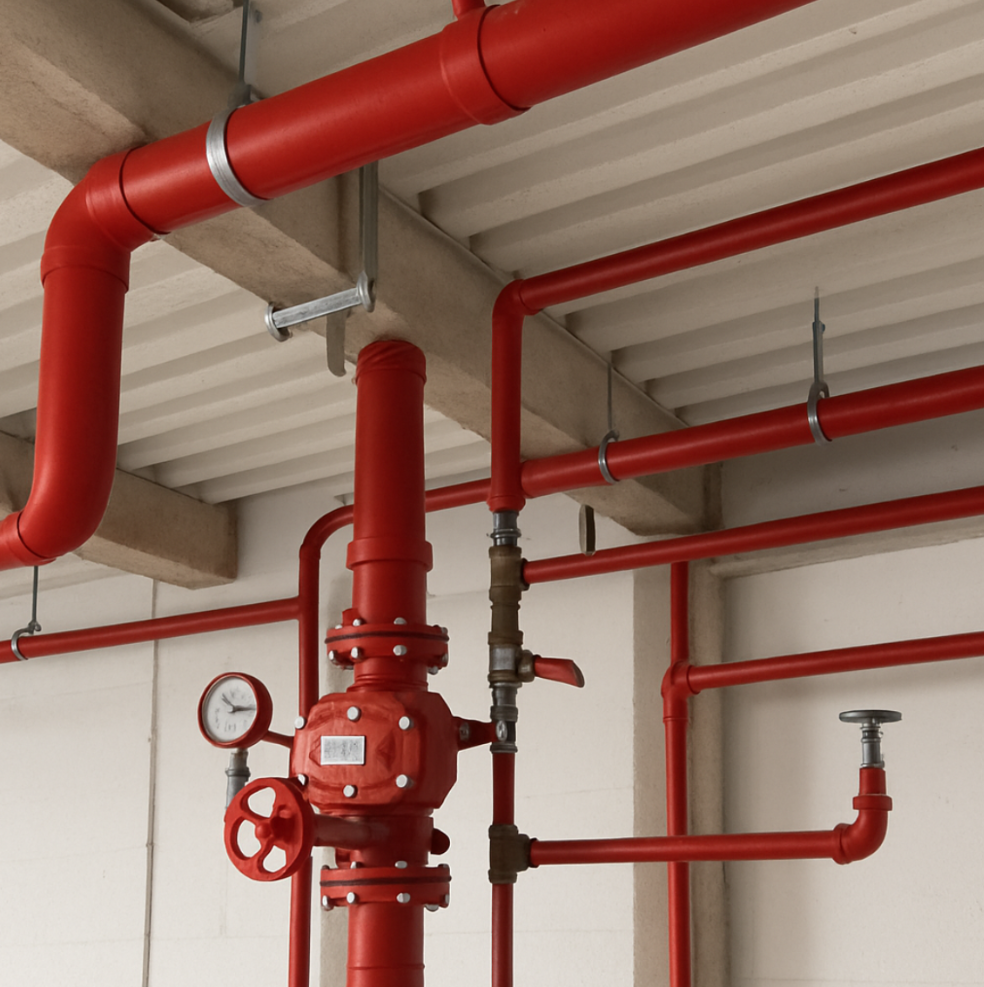 How to Choose the Right Fire Sprinkler Pipe for Fire Safety Systems (Russia Market Guide)When designing an effective fire safety network for commercial or industrial facilities, the materials you choose can literally mean the difference between a minor incident and a catastrophic loss. This is especGalvanized Steel Pipe/Tube
 -
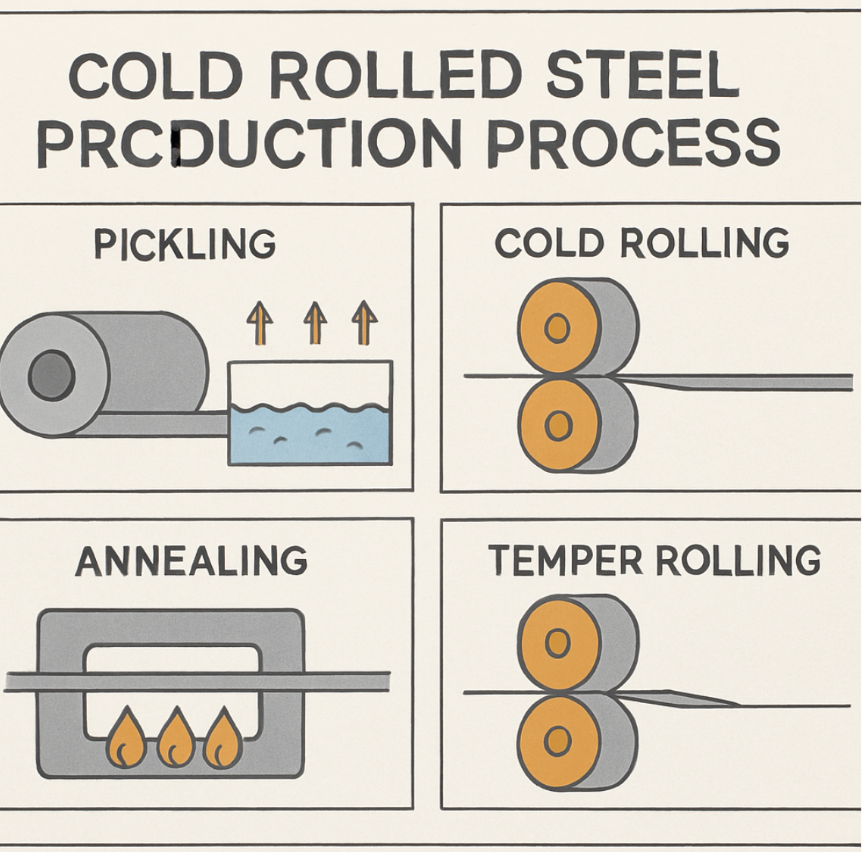 cold rolled steel sheet wholesale chinaCold rolled steel sheets are essential in many industries. They are known for their smooth finish and precise dimensions. These sheets are widely used in automotive, construction, and appliance manufacturing.China is a leading producer and exporter of steel sheStainless Steel Plate/Sheet
 -
 How to wholesale steel amp metal from China to Russia 2026 guideThe cross-border trade landscape is evolving rapidly, and as we look toward 2026, the demand for affordable, highly durable fashion accessories in Russia is at an all-time high. If you are an entrepreneur or retailer planning to scale yStainless Steel Plate/Sheet
