


Products
Copper Pipes for Efficient HVAC Systems | Installation Tips


Copper Pipes for Air Conditioning and Refrigeration
Copper pipes are a cornerstone in air conditioning and refrigeration systems. Their durability and reliability make them a preferred choice.
These pipes offer excellent thermal conductivity, enhancing system efficiency. This is crucial for maintaining optimal temperatures in HVAC systems.
Copper's resistance to corrosion ensures long-term performance. This makes it ideal for both residential and commercial applications.
The flexibility of copper pipes allows for easy installation and maintenance. This adaptability is essential for complex HVAC setups.
Understanding the benefits and installation of copper pipes can improve your HVAC system's performance. This guide will explore their advantages and applications.
Why Copper Pipes Are Essential in Air Conditioning and Refrigeration
Copper pipes are integral to the function of air conditioning and refrigeration systems. They possess unique properties that enhance the efficiency and durability of these systems.
The thermal conductivity of copper is excellent, allowing it to transfer heat effectively. This capability is crucial for maintaining consistent temperatures in cooling systems. It ensures your air conditioner or refrigerator runs smoothly and efficiently.
Another important feature of copper is its resistance to corrosion. This quality extends the life of air conditioning and refrigeration systems. Unlike other materials, copper doesn't easily degrade, which reduces maintenance needs over time.
Copper pipes provide flexibility, making them easier to install. They can be cut and shaped to fit complex HVAC system designs. This adaptability is advantageous for both new installations and retrofitting older systems.
Several reasons make copper pipes indispensable in HVAC systems:
Excellent thermal conductivity
Superior resistance to corrosion
Flexibility and ease of installation
Reduced maintenance requirements
Compatibility with various refrigerants
Copper pipes also support high-pressure applications, a necessary feature for refrigeration systems. Overall, their combination of strength, flexibility, and thermal efficiency makes them a superior choice in HVAC applications.
Key Benefits of Using Copper Pipes in HVAC Systems
The use of copper pipes in HVAC systems brings numerous advantages that make them a preferred choice for professionals. One of the standout benefits is their unparalleled durability. Copper's natural resistance to corrosion ensures these pipes last longer, minimizing the need for frequent replacements.
Another significant benefit is copper's efficient thermal conductivity. This property is vital for reducing energy consumption, as it enables effective heat transfer. Consequently, HVAC systems using copper pipes are more energy-efficient, which can lead to cost savings for homeowners and businesses alike.
Copper pipes also offer antimicrobial properties, which contribute to cleaner indoor air quality. This feature reduces the growth of harmful bacteria within the pipes, thus promoting a healthier environment. Homes and businesses can benefit greatly from this advantage.
In summary, here are the key benefits of copper pipes in HVAC systems:
Durable and corrosion-resistant
High thermal conductivity
Antimicrobial properties
Energy efficiency
Compatibility with multiple refrigerants
These benefits underscore why copper pipes remain a trusted choice in the HVAC industry. Their combination of performance, longevity, and health benefits ensures their continued popularity in both residential and commercial applications.
Types of Copper Pipes Used in AC and Refrigeration
Copper pipes come in various types, each suited for specific applications in air conditioning and refrigeration. Understanding these types is crucial for ensuring optimal system performance and longevity.
The most common types include hard-drawn and annealed copper pipes. Hard-drawn copper pipes are rigid and ideal for long straight runs in larger HVAC systems. They offer excellent structural integrity, making them popular in commercial settings.
In contrast, annealed copper pipes are flexible, allowing for easy installation in compact spaces. This flexibility is beneficial for retrofitting older systems or when navigating complex layouts. They provide a convenient option for many HVAC applications.
Here's a breakdown of copper pipe types used in HVAC:
Hard-Drawn Copper: Rigid and straight.
Annealed Copper: Flexible and pliable.
L-type Copper: Medium thickness, common in residential applications.
M-type Copper: Thinner walls, cost-effective, for certain low-pressure uses.

Choosing the right type of copper pipe depends on specific system requirements and installation needs. Whether for residential or commercial use, matching the pipe type to the application ensures efficiency and reliability.
AC Copper Lines: Sizes, Grades, and Applications
In air conditioning systems, choosing the correct AC copper lines is essential for efficient operation. The size and grade of these lines impact performance, pressure handling, and overall system durability.
Copper lines come in various sizes, typically measured by their diameter. Smaller lines are used for low-capacity systems, whereas larger diameters support high-capacity units found in commercial environments. The size selection must match the system’s requirements to avoid inefficiency or potential damage.
Copper grade is another vital factor. It determines the pipe's thickness and pressure capacity. Grades like L and M are common, with Grade L offering a thicker wall for extra durability. Grade M, being thinner, is often more budget-friendly for specific installations.
For diverse HVAC applications, here are some key considerations:
Grade L Copper: Thicker, durable.
Grade M Copper: Thinner, cost-effective.
Size Selection: Depends on the system capacity.
Applications: Residential and commercial use.

The correct choice in AC copper lines ensures not only system efficiency but also prolonged lifespan. Properly sized and graded lines help maintain optimal performance across different HVAC settings.
Copper Pipe Installation: Best Practices and Tips
Installing copper pipes for HVAC systems demands precision and expertise. Ensuring a leak-free and efficient setup is crucial for long-term performance.
First, always measure twice to ensure accuracy before cutting any pipe. This avoids costly mistakes and ensures a snug fit during installation. Using the right tools, such as pipe cutters, results in clean cuts and better joints.
Consider the system's design layout when planning the installation. Each bend and turn affects the system's efficiency, so minimal bending is preferred. This reduces the pressure drop across the system.
Proper soldering is vital for secure connections. Always clean the pipe's surface and use the appropriate flux and solder. This step is essential for a strong, durable bond that withstands pressure.
When insulating copper pipes, choose appropriate materials to prevent energy loss and condensation. This enhances system efficiency and extends pipe longevity.
Some essential tips include:
Measure Accurately: Avoids errors.
Use Quality Tools: For precise cutting.
Plan Layout Carefully: Minimizes bends.
Ensure Proper Soldering: For secure joints.
Insulate Thoroughly: Prevents energy loss.
Following these best practices for copper pipe installation will ensure a reliable and efficient HVAC system. Proper preparation and attention to detail make all the difference.
HVAC Copper Fittings: Types and Their Importance
Copper fittings are essential components in any HVAC system. They connect various pipe segments, ensuring seamless operation and efficiency.
There are several types of copper fittings used in HVAC installations. Elbows, tees, couplings, and adapters are common. Each type serves a unique purpose in the system.
Elbows change the direction of piping routes, accommodating space constraints. Tees allow multiple lines to connect, enabling efficient distribution of air or refrigerant.
Couplings are crucial for extending pipe length without compromising the system's integrity. Meanwhile, adapters facilitate connections between differing pipe sizes and types.
Some key copper fitting types include:
Elbows: Change direction.
Tees: Combine lines.
Couplings: Extend pipes.
Adapters: Connect sizes.
Using the right copper fittings ensures the HVAC system operates smoothly. Their role in maintaining pressure and preventing leaks is vital for optimal performance. Proper selection and installation of fittings can lead to a more efficient and durable system.
Maintenance and Longevity of Copper Pipes in HVAC
Maintaining copper pipes in HVAC systems is essential for ensuring their longevity and optimal performance. Regular inspections can identify potential issues before they escalate.
Proper maintenance involves checking for leaks and ensuring connections are secure. Doing so prevents major repairs and extends the lifespan of the system. Cleaning the pipes ensures efficient airflow and refrigerant flow, enhancing the system's performance.
Key maintenance tips include:
Inspect for leaks regularly.
Tighten loose fittings.
Clean pipe surfaces to prevent blockages.
Regularly check insulation integrity.

Following these maintenance practices helps keep the system running efficiently. Investing in regular upkeep can save on costly repairs in the long run. By doing so, homeowners and technicians can maintain efficient and long-lasting HVAC systems.
Copper Pipes vs. Other Materials in HVAC Applications
Copper pipes are highly valued in HVAC systems for their unique attributes. They offer unmatched durability and thermal conductivity, setting them apart from other materials. Their reliability ensures HVAC systems operate efficiently and last longer.
In contrast, materials like PVC and aluminum may lack the resilience and performance that copper provides. Copper is also resistant to corrosion, while other materials can degrade more quickly under harsh conditions. These qualities make copper a favored choice for both residential and commercial applications.
Here's why copper stands out among alternatives:
Exceptional thermal conductivity
High resistance to pressure and temperature
Long-lasting and recyclable
Low maintenance requirements
Ultimately, copper offers a combination of performance and sustainability that other materials find hard to match. This reliability makes it an attractive option for many HVAC professionals and homeowners alike. Copper's benefits are long-lasting, reinforcing its preference in the industry.
Environmental Impact and Sustainability of Copper Pipes
Copper pipes offer significant environmental advantages in HVAC systems. Their recyclability is a key factor, reducing waste and conserving resources. Recycled copper retains its quality, making it a sustainable choice.
Using copper can lead to better energy efficiency in HVAC systems, lowering energy consumption. This efficiency contributes to reduced carbon footprints. Copper's durability also minimizes the need for frequent replacements.
Benefits of copper pipes for the environment include:
Recyclable and reusable
Improves energy efficiency
Supports sustainable practices
In conclusion, copper pipes are a superior, eco-friendly option in HVAC applications. Their long lifespan and recyclability help conserve resources and reduce environmental impacts.
Conclusion: Choosing the Right Copper Pipes for Your HVAC System
When selecting copper pipes for HVAC systems, consider durability and efficiency. These qualities make copper a wise choice.
Evaluate specific system needs, including pipe size and grade, to ensure optimal performance. Reliable copper pipes are an investment in the long-term efficiency and sustainability of your air conditioning and refrigeration systems.If you need any assistance, please feel free to contact us at any time.
Related Blogs
-
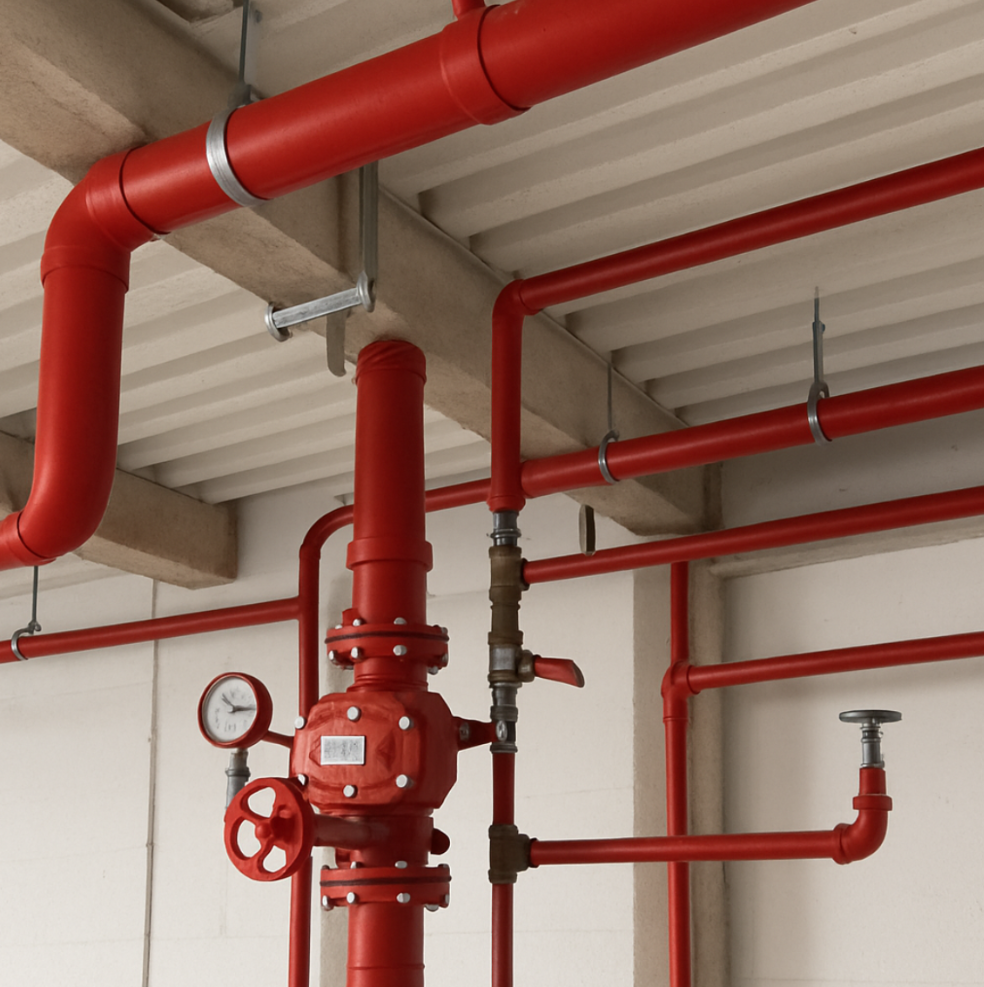 How to Choose the Right Fire Sprinkler Pipe for Fire Safety Systems (Russia Market Guide)When designing an effective fire safety network for commercial or industrial facilities, the materials you choose can literally mean the difference between a minor incident and a catastrophic loss. This is especGalvanized Steel Pipe/Tube
 -
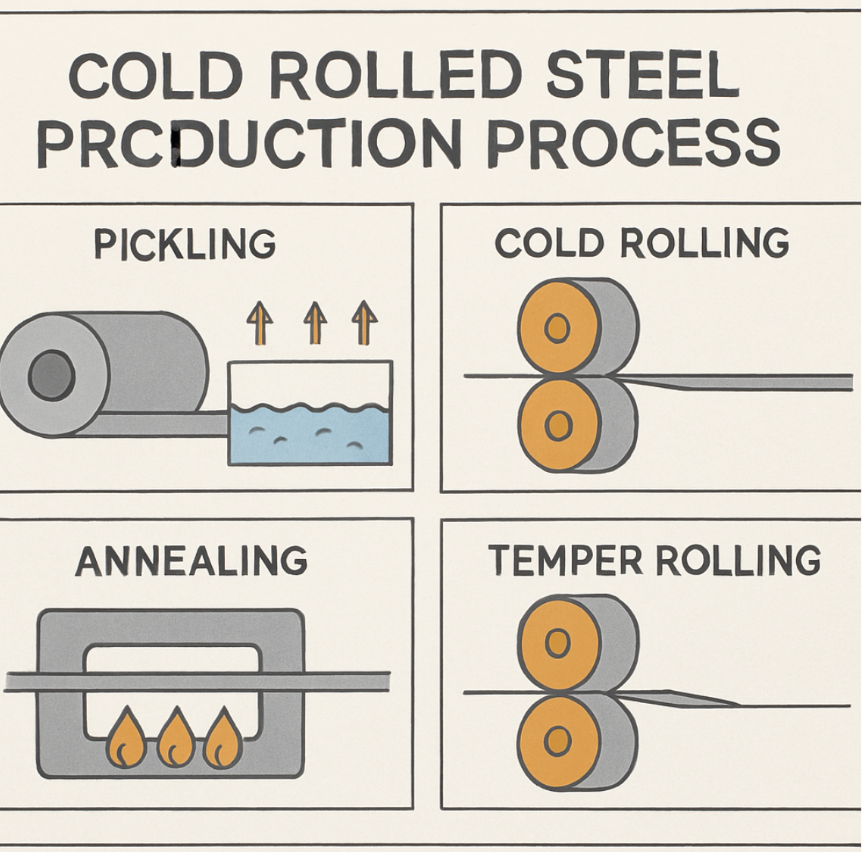 cold rolled steel sheet wholesale chinaCold rolled steel sheets are essential in many industries. They are known for their smooth finish and precise dimensions. These sheets are widely used in automotive, construction, and appliance manufacturing.China is a leading producer and exporter of steel sheStainless Steel Plate/Sheet
 -
 How to wholesale steel amp metal from China to Russia 2026 guideThe cross-border trade landscape is evolving rapidly, and as we look toward 2026, the demand for affordable, highly durable fashion accessories in Russia is at an all-time high. If you are an entrepreneur or retailer planning to scale yStainless Steel Plate/Sheet
