


Products
Optimal Temperature Control for Stainless Steel Coils


What Temperature for Stainless Steel Coil
Stainless steel coils are vital in many industries. They offer strength and corrosion resistance. But temperature control is crucial for their performance.
Understanding the right temperature for stainless steel coils is essential. It ensures the material retains its properties. This knowledge is key for manufacturers and engineers.
Temperature affects stainless steel's mechanical properties. Overheating can lead to scaling and reduced corrosion resistance. Proper management prevents these issues.
Different grades of stainless steel have varying temperature tolerances. Knowing these differences helps in selecting the right material for specific applications.
This guide explores optimal temperature settings for stainless steel coils. It covers the effects of temperature and the importance of control.
Understanding Stainless Steel Coils and Their Applications
Stainless steel coils are used across various industries. Their durability and resistance to corrosion make them indispensable. They are crafted from a mix of iron, chromium, and other elements.
These coils serve multiple purposes, each application requiring specific properties. Industries such as automotive, construction, and manufacturing heavily rely on them. Each sector requires coils tailored to meet specific needs.
Key applications include:
Heat exchangers
Automotive components
Industrial machinery
Construction materials
The diversity in applications means stainless steel coils need precise specifications. Their ability to withstand harsh environments is critical. This makes understanding their properties essential for users across industries. Accurate knowledge ensures they perform optimally in their designated roles.
The Importance of Temperature Control in Stainless Steel Processing
Temperature control is crucial in processing stainless steel. Managing heat precisely influences the material's properties. It ensures consistent quality and performance.
Without accurate temperature control, stainless steel can suffer. Overheating may lead to scaling. This can degrade corrosion resistance and structural integrity.
For effective temperature management, several factors need consideration:
Accurate sensors and monitoring systems
Controlled heating processes
Proper insulation techniques
Over time, mismanaged temperature can cause material fatigue. This compromises the reliability of stainless steel components. Therefore, maintaining proper conditions during processing is critical. Controlling the thermal environment enhances durability and extends the lifespan of stainless steel products. Understanding these factors aids in achieving desired material characteristics.
Optimal Temperature Ranges for Stainless Steel Coils
Understanding the optimal temperature range for stainless steel coils is critical. This range ensures the desired mechanical properties are achieved without degradation.
Typically, processing temperatures for stainless steel coils lie between 400°F and 800°F. This range allows for maintaining strength and corrosion resistance. Staying within these limits prevents detrimental effects.
Operating stainless steel coils outside this range may result in adverse outcomes. Overheating can cause scaling, affecting surface and performance. Meanwhile, temperatures that are too low might lead to incomplete processing.
Different stainless steel grades have specific needs. Each grade may require unique temperature considerations. Always refer to manufacturer guidelines to ensure compatibility.
Consider key factors in maintaining optimal temperatures:
Type of stainless steel grade
The specific application and environment
Heat treatment requirements and processes
Proper adjustment and monitoring can significantly impact the end product's quality and reliability. Understanding and adhering to these parameters can lead to successful and efficient stainless steel processing.

Effects of Temperature on Stainless Steel Properties
Temperature significantly impacts the properties of stainless steel. It dictates structural integrity, corrosion resistance, and overall performance.
Elevated temperatures can alter the alloy's microstructure. This affects strength and flexibility. Uncontrolled heat may lead to undesired phase transformations.
High temperatures can also cause stress corrosion cracking. This affects the metal's longevity and reliability under stress.
Heating impacts thermal expansion. This can cause issues in joints and assemblies. Proper understanding is essential for design and use.
Important temperature effects to consider:
Impact on mechanical strength
Changes in corrosion resistance
Influence on thermal expansion
Induction of stress corrosion cracking
Monitoring these changes is vital for ensuring that stainless steel maintains its expected performance, particularly in demanding applications.
Heat Treatment Processes for Stainless Steel Coils
Heat treatment is essential in managing the properties of stainless steel coils. These processes adjust hardness, strength, and ductility.
Annealing is a common method. It involves heating the stainless steel to a certain temperature, then cooling slowly. This process reduces stress and improves ductility.
Quenching is another technique. It requires rapid cooling and enhances hardness. This method is often used to achieve specific strength levels in the alloy.
Tempering follows quenching. It reduces brittleness while maintaining the acquired hardness. It provides a balance between toughness and strength in the steel.
Key heat treatment processes include:
Annealing: For stress relief and ductility
Quenching: Enhances material hardness
Tempering: Reduces brittleness and balances properties
Careful control of these processes is critical. Incorrect temperatures can lead to unwanted transformations, affecting the coil's performance in applications.
Stainless Steel Grades and Their Temperature Tolerances
Stainless steel comes in various grades, each with unique temperature tolerances. Understanding these can guide material selection.
Austenitic stainless steels, like 304 and 316, excel at high temperatures. They retain strength and corrosion resistance better than other types. These grades often find use in environments requiring durability under thermal stress.
Ferritic grades, such as 430, are typically lower in temperature tolerance. They may become brittle at elevated temperatures. However, they are more cost-effective for applications where heat levels are moderate.
Here’s a quick guide:
Martensitic: Suitable for hardened applications
Selecting the right grade is crucial for performance. It ensures the stainless steel coil performs optimally under specific operating conditions.
Best Practices for Stainless Steel Coil Temperature Control
Controlling temperature is vital in processing stainless steel coils effectively. Proper management enhances the material's mechanical attributes and longevity.
To ensure optimal performance, consider these practices:
Use precise temperature sensors for accurate readings.
Implement automated control systems to maintain consistent conditions.
Regularly calibrate equipment to ensure accuracy and efficiency.
Monitoring thermal conditions prevents issues like thermal fatigue and scaling. Properly designed systems can reduce maintenance needs and prolong service life.
Advanced control strategies help optimize process efficiency. They protect the stainless steel's integrity and meet stringent operational requirements. Implementing these best practices ensures that stainless steel coils deliver reliable performance in demanding applications.
Conclusion: Key Takeaways for Stainless Steel Coil Temperature Management
Managing the temperature of stainless steel coils is essential for maintaining their properties and performance. Proper temperature control ensures that coils retain their strength and corrosion resistance.
Effective temperature management involves understanding the specific requirements of each stainless steel grade. This ensures you can tailor treatments to suit various industrial needs.
By implementing advanced control technologies and adhering to best practices, industries can optimize the functionality and lifespan of stainless steel coils. This approach not only enhances product quality but also contributes to operational efficiency and reduced maintenance costs.If you need stainless steel products, please feel free to contact us at any time.
Related Blogs
-
 How to Choose the Right Fire Sprinkler Pipe for Fire Safety Systems (Russia Market Guide)When designing an effective fire safety network for commercial or industrial facilities, the materials you choose can literally mean the difference between a minor incident and a catastrophic loss. This is especGalvanized Steel Pipe/Tube
 -
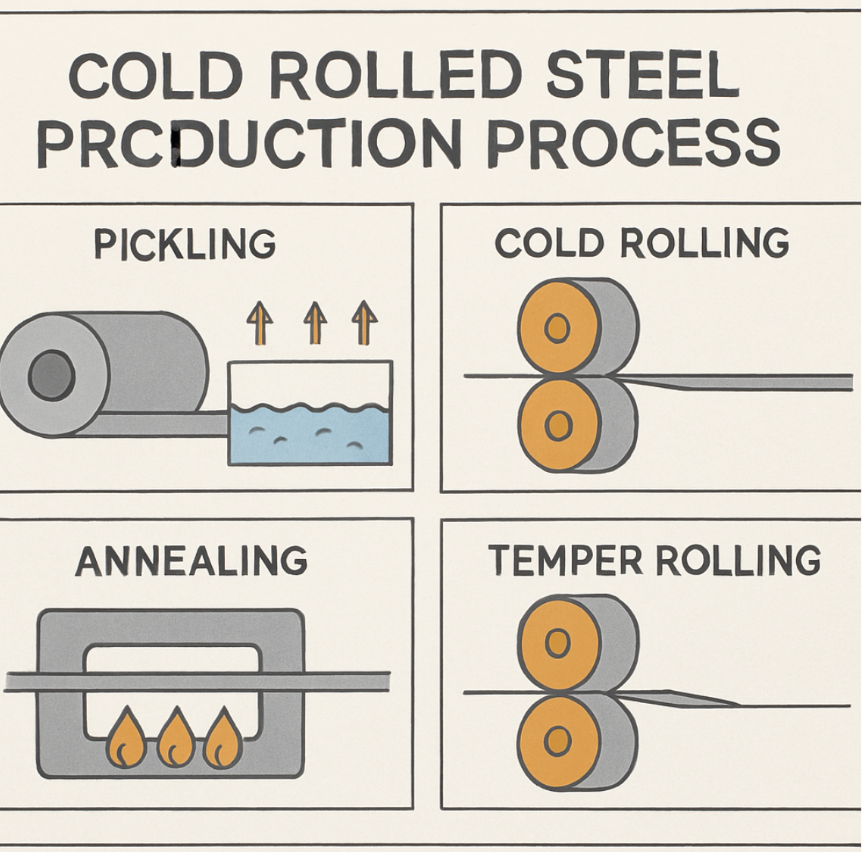 cold rolled steel sheet wholesale chinaCold rolled steel sheets are essential in many industries. They are known for their smooth finish and precise dimensions. These sheets are widely used in automotive, construction, and appliance manufacturing.China is a leading producer and exporter of steel sheStainless Steel Plate/Sheet
 -
 How to wholesale steel amp metal from China to Russia 2026 guideThe cross-border trade landscape is evolving rapidly, and as we look toward 2026, the demand for affordable, highly durable fashion accessories in Russia is at an all-time high. If you are an entrepreneur or retailer planning to scale yStainless Steel Plate/Sheet
