


Products
The Lightweight Revolution in Automotive Manufacturing: Application Trends of Aluminum and Advanced High-Strength Steel


As the global automotive industry moves toward electrification, fuel efficiency, and lower carbon emissions, vehicle lightweighting has become a key engineering and design priority. Reducing vehicle weight directly improves energy efficiency, driving range, and overall performance—without compromising safety.
Among the most important materials driving this transformation are aluminum and advanced high-strength steel (AHSS). This article explores how these materials are reshaping modern automotive manufacturing and where future trends are heading.
Why Lightweighting Matters in Automotive Manufacturing
Vehicle weight has a direct impact on:
Fuel consumption and CO₂ emissions
Electric vehicle (EV) driving range
Acceleration and braking performance
Handling and driving dynamics
Compliance with global environmental regulations
According to industry studies, reducing a vehicle’s weight by 10% can improve fuel efficiency by up to 6–8%, making lightweight materials essential for next-generation vehicles.
Aluminum: The Core Material of Lightweight Design
Aluminum has become one of the most widely used lightweight metals in the automotive sector due to its excellent balance of strength, weight, and corrosion resistance.
Key Advantages of Aluminum in Automotive Applications
Approximately one-third the density of steel
Excellent corrosion resistance
High thermal and electrical conductivity
Good formability and recyclability
Ideal for large structural and exterior components
Common Automotive Aluminum Applications
Body panels and closures (doors, hoods, trunks)
Engine blocks and cylinder heads
Battery housings for electric vehicles
Suspension components
Heat exchangers and radiators
As electric vehicles continue to grow, aluminum plays an increasingly important role in extending battery range and reducing overall vehicle mass.
Advanced High-Strength Steel (AHSS): Strength Without Excess Weight
While aluminum reduces weight, advanced high-strength steel (AHSS) delivers exceptional structural performance with reduced thickness. AHSS enables automakers to maintain or improve crash safety while using less material.
Benefits of AHSS in Vehicle Structures
High tensile strength and excellent energy absorption
Superior crash performance
Thinner sections with equal or better strength
Cost-effective compared to alternative materials
Compatibility with existing steel manufacturing lines
Typical AHSS Applications
Safety-critical components
Door impact beams
Pillars (A, B, C pillars)
Chassis and frame reinforcements
Structural body parts
AHSS remains a key material for balancing lightweight design and vehicle safety standards.
Aluminum vs. AHSS: Not Competition, but Integration
Modern vehicle design does not rely on a single material. Instead, automakers increasingly use multi-material structures, combining aluminum and AHSS to optimize performance, safety, and cost.
| Feature | Aluminum | AHSS |
|---|---|---|
| Weight Reduction | Excellent | Moderate |
| Strength | Good | Very High |
| Cost | Higher | Lower |
| Crash Resistance | Moderate | Excellent |
| Recyclability | Excellent | Excellent |
This hybrid approach allows engineers to place the right material in the right location.
Manufacturing Challenges and Solutions
The use of lightweight materials also introduces new challenges:
Joining dissimilar materials
Forming complex shapes
Managing cost efficiency
Maintaining production speed
Automakers are addressing these challenges through:
Advanced welding and bonding technologies
Hot stamping and roll forming
Improved alloy development
Digital simulation and material optimization
Future Trends in Automotive Lightweight Materials
Looking ahead, the automotive lightweighting trend will continue to accelerate due to:
Growth of electric and hybrid vehicles
Stricter global emissions regulations
Advancements in material science
Increased focus on sustainability and recyclability
Next-generation vehicles will rely even more on optimized combinations of aluminum, AHSS, and emerging materials.
Material Supply and Global Collaboration
Reliable material supply is essential for automotive manufacturers. Suppliers must offer:
Consistent quality and certification
Custom grades and specifications
Stable global logistics support
Technical material guidance
Companies like HaiHong (Jiangsu) Steel International Trade Co., Ltd. support automotive and industrial clients by supplying aluminum and high-strength steel materials that meet international standards.
Location: Yangzhou City, Jiangsu Province, China
Website: www.haihongmetals.com
The lightweight revolution in automotive manufacturing is reshaping how vehicles are designed and built. By strategically applying aluminum and advanced high-strength steel, automakers can achieve better efficiency, enhanced safety, and improved sustainability.
As technology evolves, material innovation and smart integration will remain at the core of the automotive industry’s future.
Related Blogs
-
 How to Choose the Right Fire Sprinkler Pipe for Fire Safety Systems (Russia Market Guide)When designing an effective fire safety network for commercial or industrial facilities, the materials you choose can literally mean the difference between a minor incident and a catastrophic loss. This is especGalvanized Steel Pipe/Tube
 -
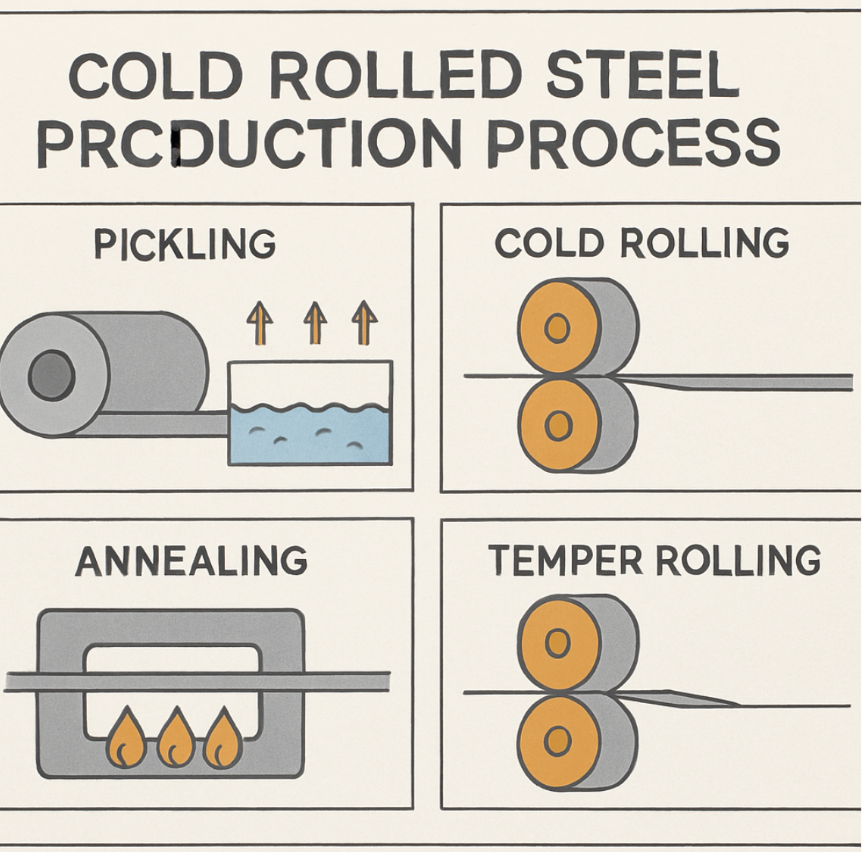 cold rolled steel sheet wholesale chinaCold rolled steel sheets are essential in many industries. They are known for their smooth finish and precise dimensions. These sheets are widely used in automotive, construction, and appliance manufacturing.China is a leading producer and exporter of steel sheStainless Steel Plate/Sheet
 -
 How to wholesale steel amp metal from China to Russia 2026 guideThe cross-border trade landscape is evolving rapidly, and as we look toward 2026, the demand for affordable, highly durable fashion accessories in Russia is at an all-time high. If you are an entrepreneur or retailer planning to scale yStainless Steel Plate/Sheet
