

Products
2026 Stainless Steel Market: Price Predictions


2026 Stainless Steel Market: Price Predictions
The stainless steel market is poised for significant changes in 2026. Understanding these shifts is crucial for industry stakeholders.Price trends in stainless steel are influenced by a myriad of factors. These include global economic conditions and raw material costs.
Technological advancements and environmental regulations also play a pivotal role. They can lead to cost reductions or increases, affecting market dynamics.Trade policies and geopolitical tensions further complicate the landscape. They can cause price volatility and impact supply chains.This article delves into the 2026 stainless steel market. It offers insights into price predictions and the factors shaping the unit price per kilogram.
Stainless Steel Price Trends: A 2025 Recap
The year 2025 was marked by dynamic shifts in stainless steel prices. Prices fluctuated due to a variety of global influences. Monitoring these trends provides a crucial foundation for understanding future movements.
Increased demand from emerging economies played a significant role. Rapid industrial growth in these regions pushed prices higher. This demand surge was partly countered by improvements in recycling and efficiency.
Several key factors shaped the stainless steel landscape in 2025:
Fluctuations in nickel and chromium costs.
Global economic recovery post-pandemic.
Environmental regulations affecting production methods.
Technological advances in production also contributed to price changes. As industries adapted newer methods, production costs were reduced. However, supply chain disruptions occasionally offset these savings. Understanding these fluctuations helps industry players strategize for the year ahead.
2026 Stainless Steel Price Forecast: What to Expect
The year 2026 promises to be pivotal for the stainless steel market. Prices are anticipated to experience further shifts influenced by diverse factors. Accurately forecasting these changes is essential for strategic planning.
Economic recovery trends globally will remain a dominant influence. As economies stabilize, the demand for stainless steel in construction and automotive sectors is expected to rise. This increase will likely push prices upward.
Several elements are critical for predicting 2026 prices:
Raw material costs, particularly nickel and chromium.
Environmental policies and their impact on production processes.
Continued development in industrial technology.

Technological innovations might stabilize production costs, curbing drastic price increases. Nonetheless, geopolitical tensions could disrupt supply chains, contributing to short-term volatility. Consequently, staying informed about global events will be crucial for stakeholders.
Furthermore, infrastructure investments, especially in developing regions, could boost demand. This growth offers opportunities but may also strain supply if not managed well. Therefore, industry stakeholders need to remain agile, prepared to adapt to fast-changing market conditions. Understanding these dynamics will help forecast prices with greater accuracy and prepare for future opportunities.
Key Factors Affecting Stainless Steel Prices in 2026
Numerous factors will shape stainless steel prices in 2026. Understanding these elements is vital for industry professionals and investors.
One primary influence is the cost of raw materials. Nickel and chromium, essential components, directly impact the unit price. Fluctuations in their availability or price can lead to significant market changes.
Technological advancements in production processes offer another crucial factor. Improved efficiency can reduce overall costs, stabilizing prices. However, rapid changes might also lead to temporary disruptions as industries adapt.
Environmental regulations are likely to impose additional costs. Compliance with stricter standards could increase production expenses. This change might result in upward pressure on prices.
Trade policies and tariffs are continually shaping the competitive landscape. Adjustments in such policies can alter market dynamics swiftly. Export and import costs may rise, influencing domestic and international pricing.
A growing demand in emerging markets will further drive global prices. The economic expansion in these regions heightens their industrial needs. Consequently, this increased consumption can affect the delicate balance of supply and demand.
Currency fluctuations also play a pivotal role in pricing. Exchange rate variations affect importation and exportation costs. These shifts can lead to inconsistent pricing on the global stage.
Energy costs remain a significant component of production expenses. As energy prices climb, manufacturers might face rising costs, impacting the final product's price.
Market speculation and investor behavior introduce additional volatility. Short-term fluctuations might occur based on market sentiment, not just fundamentals.
Additionally, the automotive and construction sectors' demand heavily influences prices. Rising or decreasing needs in these areas create direct impacts.
Lastly, the balance between supply and demand will remain critical. Overproduction may dampen prices, while shortages could drive them up. Recognizing these multifaceted factors can help stakeholders strategize effectively. Staying ahead requires continuous monitoring of these elements to mitigate risks and capitalize on opportunities.
Global Economic and Industry Drivers
Stainless steel prices are intertwined with global economic conditions. Economic growth rates strongly influence industrial output. A thriving economy generally increases demand for stainless steel.
Industry drivers also play a crucial role. The automotive sector remains a significant consumer of stainless steel. Its production levels are closely tied to global demand. Construction projects worldwide similarly drive material needs.
Trade relations contribute significantly to market behavior. For instance, improved trade agreements can enhance cross-border commerce. Conversely, trade tensions may disrupt supply chains and impact pricing.
Key Global Drivers:
Economic growth rates
Industrial production levels
Trade agreements and disputes
Supply chain developments
Energy market fluctuations
These factors collectively shape how stainless steel pricing evolves. Recent shifts in energy prices, for instance, can influence production costs. This ripple effect impacts overall market pricing and predictability.

Additionally, government policies, especially those focusing on sustainability, reshape market strategies. Policies encouraging eco-friendly practices might alter production costs. They can also drive innovation, resulting in long-term benefits for the industry. Adaptation and resilience remain the keys to thriving amidst these economic intricacies.
Regional Market Analysis: Asia, Europe, and the Americas
The stainless steel market exhibits distinct regional differences. Asia, for example, dominates global production and consumption. China, as a major player, dictates pricing trends. Its industrial growth and policy changes impact global prices significantly.
Europe follows with advanced production techniques and strict environmental standards. These factors influence production costs and market strategies. European demand is also driven by automotive and infrastructure sectors, which shape its price trends.
The Americas present a unique landscape. The United States emphasizes local production and consumption. The demand here is led by construction and energy sectors. Tariffs and local policies further mold price dynamics in this region.
Regional Highlights:
Asia: Major producer and consumer
Europe: Technological advancements and regulations
Americas: Local production and policy-driven market
Each region's economic policies and industrial demands create a complex pricing landscape. Understanding these nuances is vital for navigating market opportunities effectively. Stakeholders need to adapt to these regional variations to leverage competitive advantages in the stainless steel market.
Stainless Steel Categories and Price Differences
Stainless steel comes in various categories, each with specific properties. The main types are austenitic, ferritic, martensitic, and duplex. Each category serves different industrial needs, influencing their market prices.
Austenitic stainless steel is the most common and features high corrosion resistance. It sees widespread use in kitchenware and chemical plants. This makes its price higher compared to other types.
Ferritic and martensitic steels are less expensive, offering limited corrosion resistance but greater strength. Duplex steel combines properties of both austenitic and ferritic, resulting in moderate pricing. Understanding these categories helps buyers choose according to both budget and application needs.
Stainless Steel Categories:
Austenitic: High corrosion resistance, higher price
Ferritic: Limited corrosion resistance, lower price
Martensitic: Strong, less corrosion-resistant
Duplex: Balance of strength and cost
Selecting the right stainless steel type requires knowledge of these categories. Such understanding aids in making cost-effective decisions in the stainless steel market.
Buyer Strategies for 2026: How to Navigate Price Volatility
Navigating stainless steel's fluctuating prices in 2026 requires informed strategies. Buyers must stay updated on market trends and economic indicators. This preparation enables them to make timely purchase decisions.
Diversifying suppliers can mitigate risks associated with price volatility. By engaging multiple sources, buyers can capitalize on the best pricing and availability. This approach also helps in managing potential supply chain disruptions.
Locking in prices through contracts is another effective strategy. Fixed-price contracts provide stability and shield against unexpected market hikes. They allow businesses to budget more accurately and avoid financial surprises.
Monitoring technological advancements is critical for buyers. Innovations in steel production can lead to cost changes. Keeping abreast of these developments can provide strategic advantages.
Key Buyer Strategies:
Stay informed on market trends
Diversify supplier base
Use fixed-price contracts
Monitor technological shifts
Implementing these strategies can help businesses successfully manage price fluctuations in the stainless steel market.
Frequently Asked Questions: Stainless Steel Prices in 2026
What are the main factors influencing stainless steel prices?
In 2026, global economic conditions will significantly affect prices. Supply chain disruptions and raw material costs, like nickel and chromium, also play pivotal roles. These factors combine to create market volatility.
How do tariffs impact stainless steel pricing?
Tariffs can alter competitive dynamics, leading to price changes. They affect import costs and domestic production incentives. Thus, tariffs are a key consideration for price forecasts.
Will sustainability efforts influence price trends?
Yes, sustainability initiatives often result in higher production costs. However, they can also inspire innovations in efficiency, affecting pricing dynamics.
How does currency fluctuation affect stainless steel costs?
Currency changes influence the cost of imports and exports, impacting domestic prices. This factor is especially important in a globally interconnected market.
What's the predicted impact of technological advancements?
Technology often leads to cost reductions in production. Such advancements can ultimately lower prices over the long term. Monitoring tech trends is vital for price predictions.
Conclusion: Outlook for the Stainless Steel Market
In 2026, the stainless steel market is poised to experience dynamic changes. Fluctuating global economics and evolving technologies will be key drivers. This environment will present both challenges and opportunities for stakeholders.
Industry players must be proactive and adaptive. Monitoring economic indicators and regulatory changes will be essential. A focus on innovation and sustainability will help navigate this complex landscape.
Long-term growth remains promising, fueled by demand in emerging markets and infrastructure projects. As industries evolve, stainless steel will maintain its crucial role. The ability to anticipate and adapt will determine success in this competitive market.
Related Blogs
-
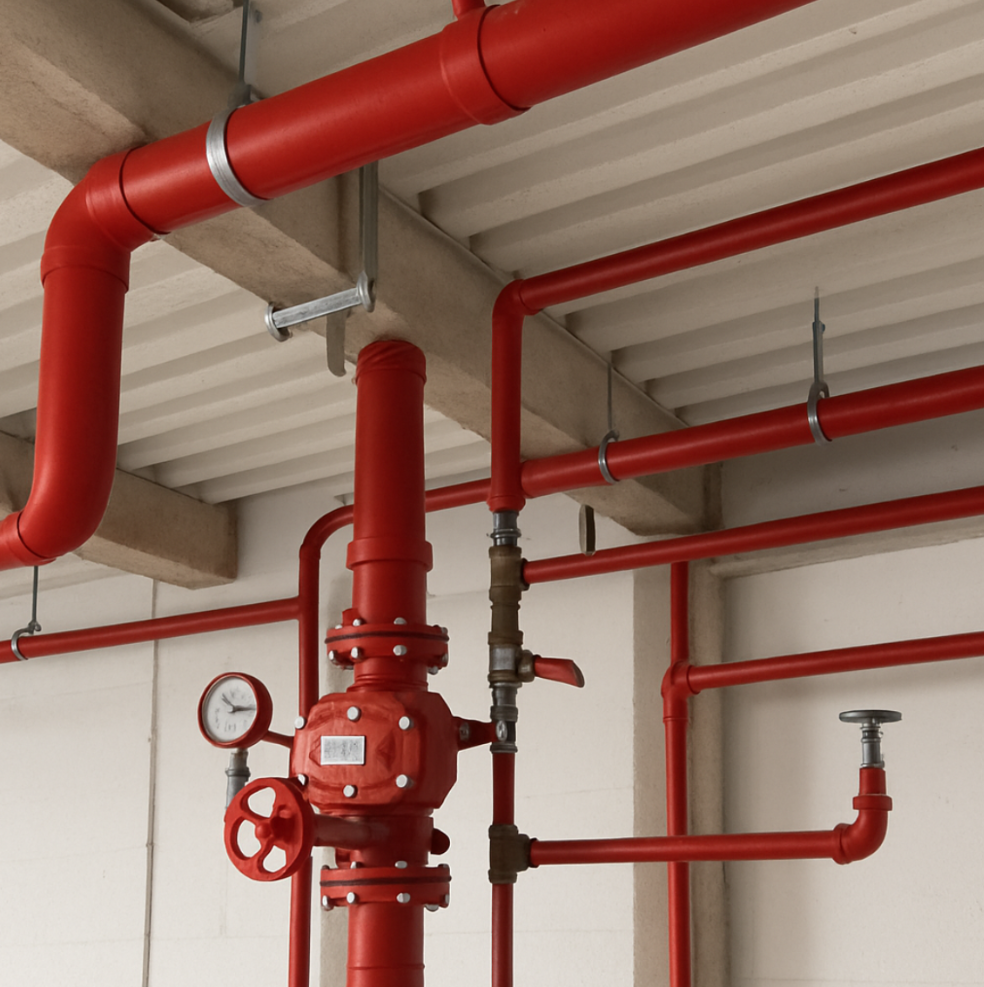 How to Choose the Right Fire Sprinkler Pipe for Fire Safety Systems (Russia Market Guide)When designing an effective fire safety network for commercial or industrial facilities, the materials you choose can literally mean the difference between a minor incident and a catastrophic loss. This is especGalvanized Steel Pipe/Tube
 -
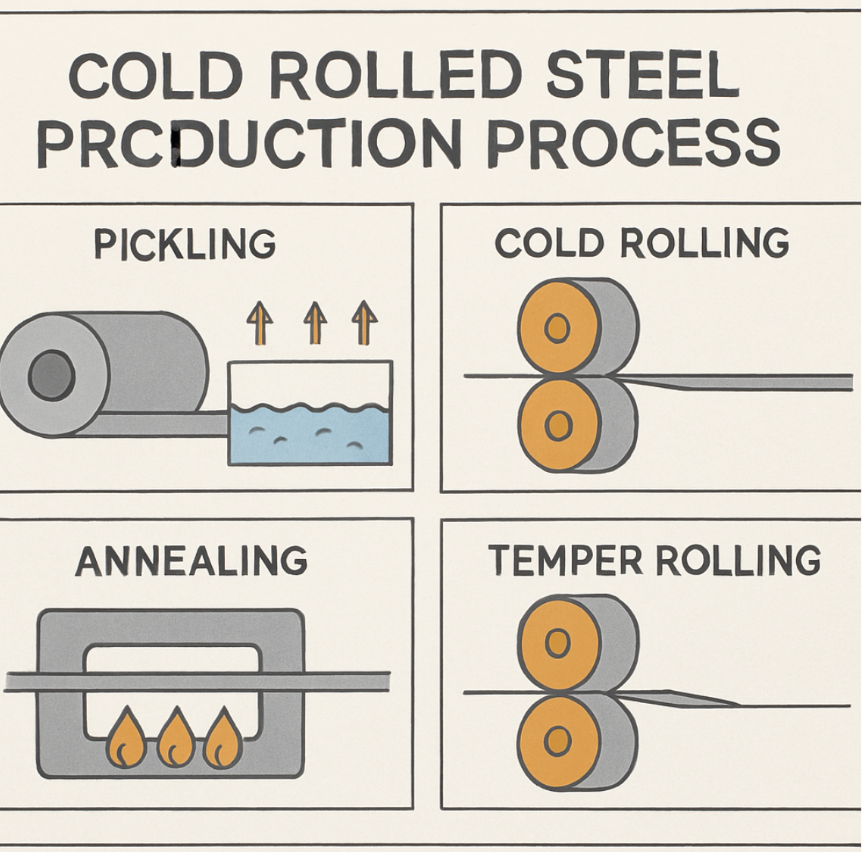 cold rolled steel sheet wholesale chinaCold rolled steel sheets are essential in many industries. They are known for their smooth finish and precise dimensions. These sheets are widely used in automotive, construction, and appliance manufacturing.China is a leading producer and exporter of steel sheStainless Steel Plate/Sheet
 -
 How to wholesale steel amp metal from China to Russia 2026 guideThe cross-border trade landscape is evolving rapidly, and as we look toward 2026, the demand for affordable, highly durable fashion accessories in Russia is at an all-time high. If you are an entrepreneur or retailer planning to scale yStainless Steel Plate/Sheet
