


Products
316 Stainless Steel Tube Sizes: A Complete Guide


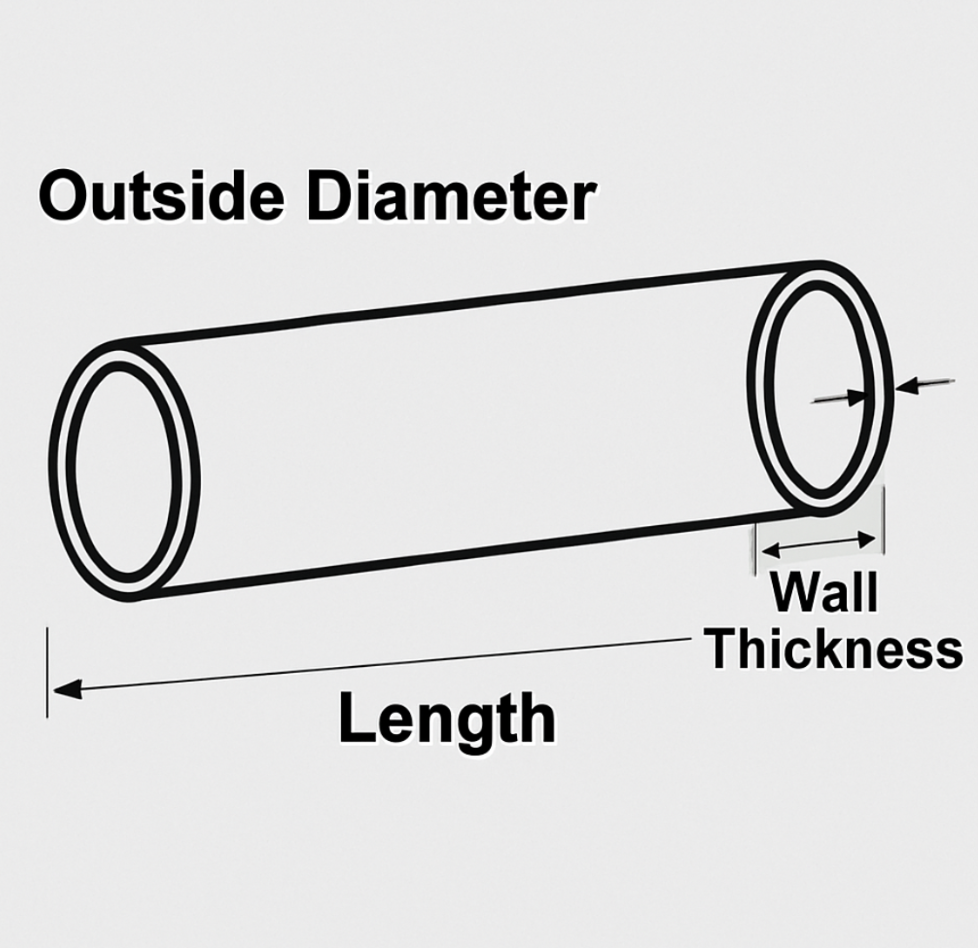
Understanding 316 Stainless Steel Tube Dimensions
If your customers mainly need quick sizing, a table is the fastest way to choose the right 316 stainless steel tube. Use the charts below as a practical starting point, then confirm the exact specification with your supplier and the governing standard for your project (for example, ASTM A269 / ASTM A213 or an equivalent).
Quick 316 Stainless Steel Tube Size Table
| Nominal Diameter | OD (mm) | US NPS | Thickness (mm) |
|---|---|---|---|
| DN15 | 18-21.3 | 1/2" | 2.0-2.5 |
| DN20 | 23-26.9 | 3/4" | 2.0-3.0 |
| DN25 | 28-33.7 | 1" | 2.0-3.5 |
| DN40 | 42-48.3 | 1½" | 2.5-4.0 |
| DN50 | 54-60.3 | 2" | 2.5-4.5 |
| DN80 | 83-88.9 | 3" | 3.0-5.0 |
| DN100 | 108-114.3 | 4" | 3.5-6.0 |
Chinese national standard (GB): Represented by DN (nominal diameter) or φ outer diameter × wall thickness, such as DN50, φ57×3.5
American ANSI/ASME: Represented by NPS (nominal pipe diameter) + Sch (wall thickness grade), such as NPS2 Sch40
German DIN/ISO: Represented by DN or outer diameter × wall thickness, similar to the Chinese standard
Japanese JIS: Represented by KSG/STPG and other codes + size specifications
How to use: pick an OD (outer diameter), then choose a wall that meets your pressure/strength needs. Approximate ID (inside diameter) is: ID ≈ OD − 2×wall.
OD (mm) OD (in) Typical wall options (mm) Approx. ID example (mm) Common use 6 0.236 0.5, 0.8, 1.0 With 1.0 wall → 4.0 Instrumentation lines, small connections 8 0.315 0.5, 0.8, 1.0 With 1.0 wall → 6.0 Instrumentation, sampling lines 10 0.394 0.8, 1.0, 1.5 With 1.0 wall → 8.0 General-purpose tubing 12 0.472 1.0, 1.5, 2.0 With 1.5 wall → 9.0 General-purpose tubing, skid piping 16 0.630 1.0, 1.5, 2.0 With 2.0 wall → 12.0 Higher flow and robustness 19 0.748 1.0, 1.5, 2.0 With 1.5 wall → 16.0 General process tubing 25.4 1.000 1.0, 1.5, 2.0, 3.0 With 2.0 wall → 21.4 Utilities, larger process lines 31.8 1.250 1.5, 2.0, 3.0 With 2.0 wall → 27.8 Process lines, structural uses 38.1 1.500 1.5, 2.0, 3.0 With 3.0 wall → 32.1 Process/utility tubing 50.8 2.000 2.0, 3.0 With 3.0 wall → 44.8 Higher flow, ducting-like services
Note: “Tube” is usually specified by OD × wall. “Pipe” is usually specified by NPS and schedule. If your customer is searching “steel pipe sizes,” confirm whether they mean tube OD/wall or NPS/SCH pipe sizing. For stainless steel pipe dimensions, see ASME B36.19M (reference).
Fast Selection Checklist (What Most Buyers Ask First)
OD: what space/connection does it need to fit? (See our tube fittings guide.)
Wall thickness: what pressure, vibration, and mechanical abuse will it see?
Length: straight length, coil, or cut-to-length? (Example: cut-to-length service.)
Standard: which specification is required (for example, ASTM A269/A213)?
Finish: mill finish, polished, pickled/passivated (common for hygienic service).
What is 316 Stainless Steel (and Why It’s Used for Tubing)
316 stainless steel is an austenitic stainless steel known for strong corrosion resistance, especially in chloride-containing environments. It contains molybdenum, which improves resistance to pitting and crevice corrosion compared with many other stainless steel grades. For a general background, see SAE 316 stainless steel.
Tube Dimensions Explained (OD, Wall, ID)
OD (outer diameter): the outside width of the tube. This is usually the controlling dimension for fittings and space constraints.
Wall thickness: affects strength, pressure capability, and weight.
ID (inside diameter): affects flow. Approximate ID is: ID ≈ OD − 2×wall.
If you need a quick unit conversion reference (mm ↔ inch), you can use NIST SI/metric references.
Seamless vs. Welded 316 Stainless Steel Tubes (Quick Comparison)
Seamless: typically preferred for higher-pressure or more critical service.
Welded: often cost-effective and widely used for standard applications.
316 vs. Other Stainless Steel Grades (Buyer-Friendly Summary)
316: higher corrosion resistance; often chosen for marine/chemical/chloride exposure.
304: common and cost-effective, but typically less resistant in chloride environments.
430: ferritic and magnetic; generally lower corrosion resistance than 304/316.
Common Applications of 316 Stainless Steel Tubes
Marine and coastal installations
Chemical processing and petrochemical facilities
Pharmaceutical and hygienic processing
Heat exchangers and high-temperature services
Conclusion
For most customers, selecting 316 stainless steel tubing comes down to OD × wall. Use the quick table to shortlist sizes, then match the final choice to your pressure, flow, and standard requirements. If you want, you can also open RFQ/contact page.
Related Blogs
-
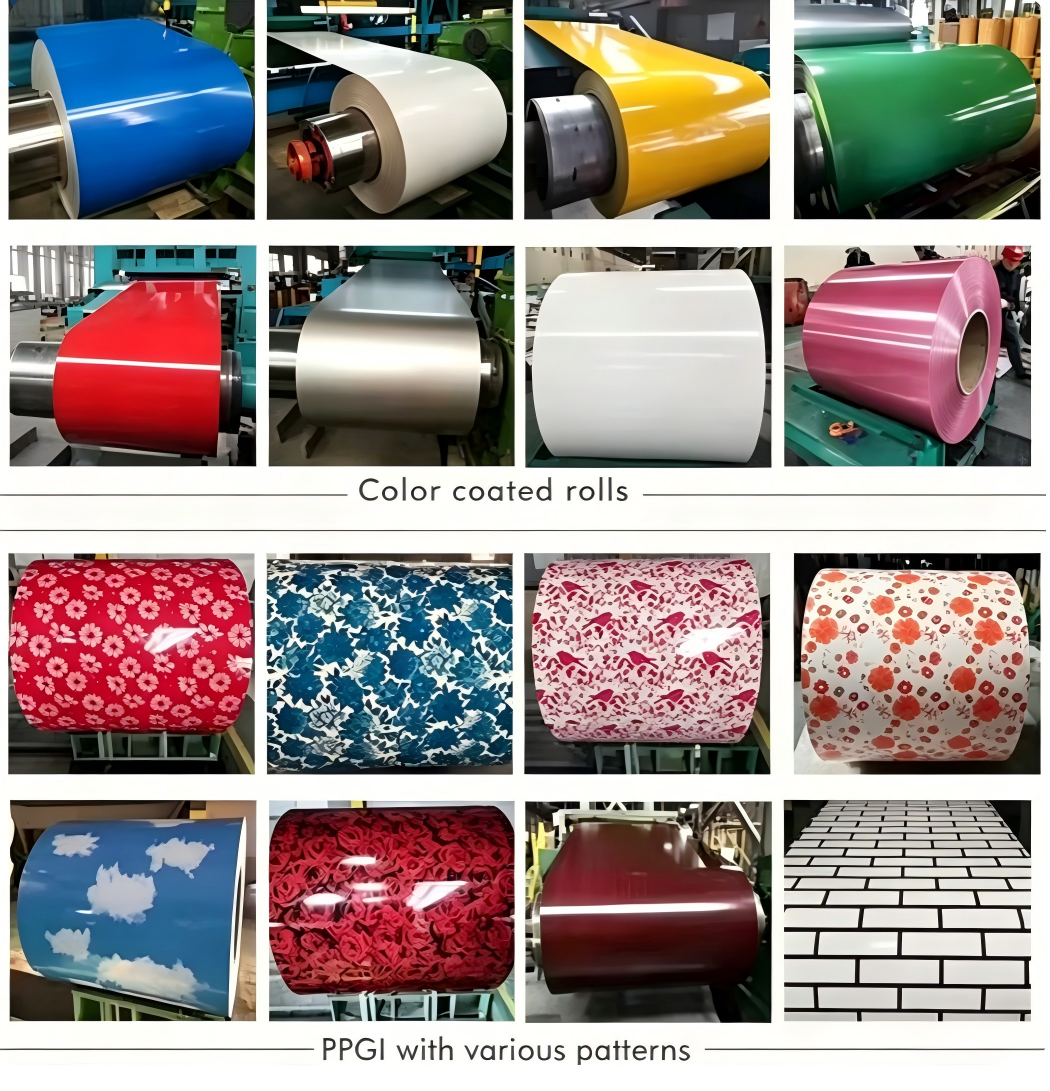 How much is a coil of Colorbond?Price for a Colorbond coil isn’t one fixed number. It depends on the paint system (including paint film thickness), the substrate/material, the base metal thickness, and the coil size you need. It also depends on where you’re buying from and whether the material is stGalvanized Steel Coil/Strip
 -
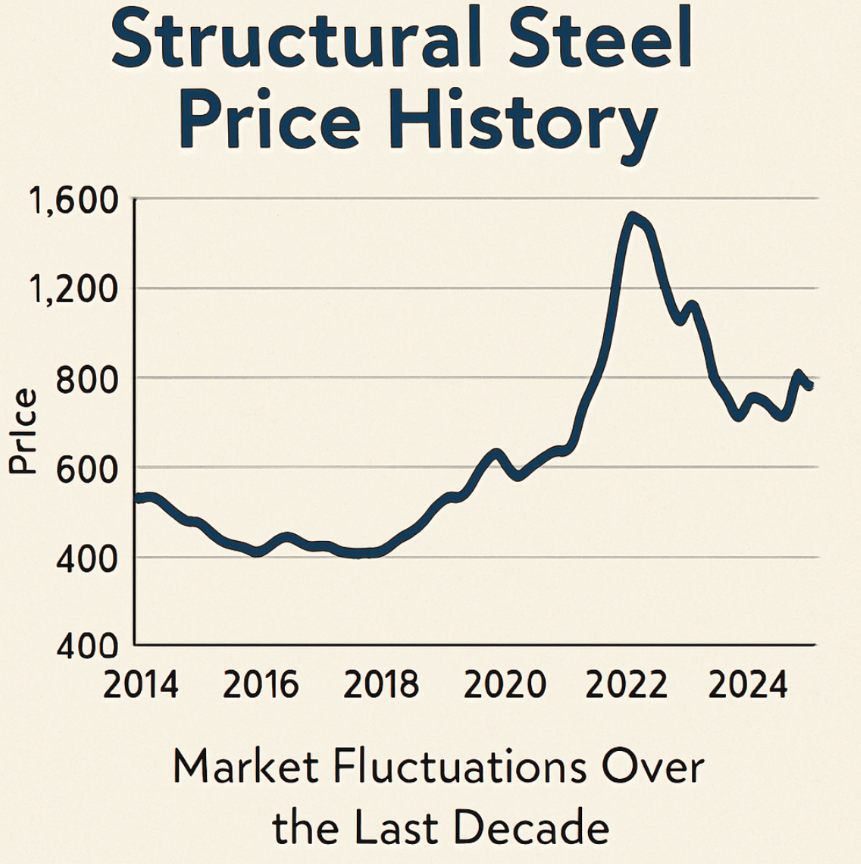 How much does 1 ton of steel costWhether you are planning a massive commercial warehouse or engineering a custom home, steel is the undeniable backbone of modern construction. It offers unparalleled strength, durability, and architectural flexibility. But when it comes time to plan your project budg
 -
 Understanding 316 Stainless Steel Tube DimensionsIf your customers mainly need quick sizing, a table is the fastest way to choose the right 316 stainless steel tube. Use the charts below as a practical starting point, then confirm the exact specification with your supplier and the governing standardStainless Steel Pipe/Tube
