


Products
Benefits of Stainless Steel Coils in Hot Tubs


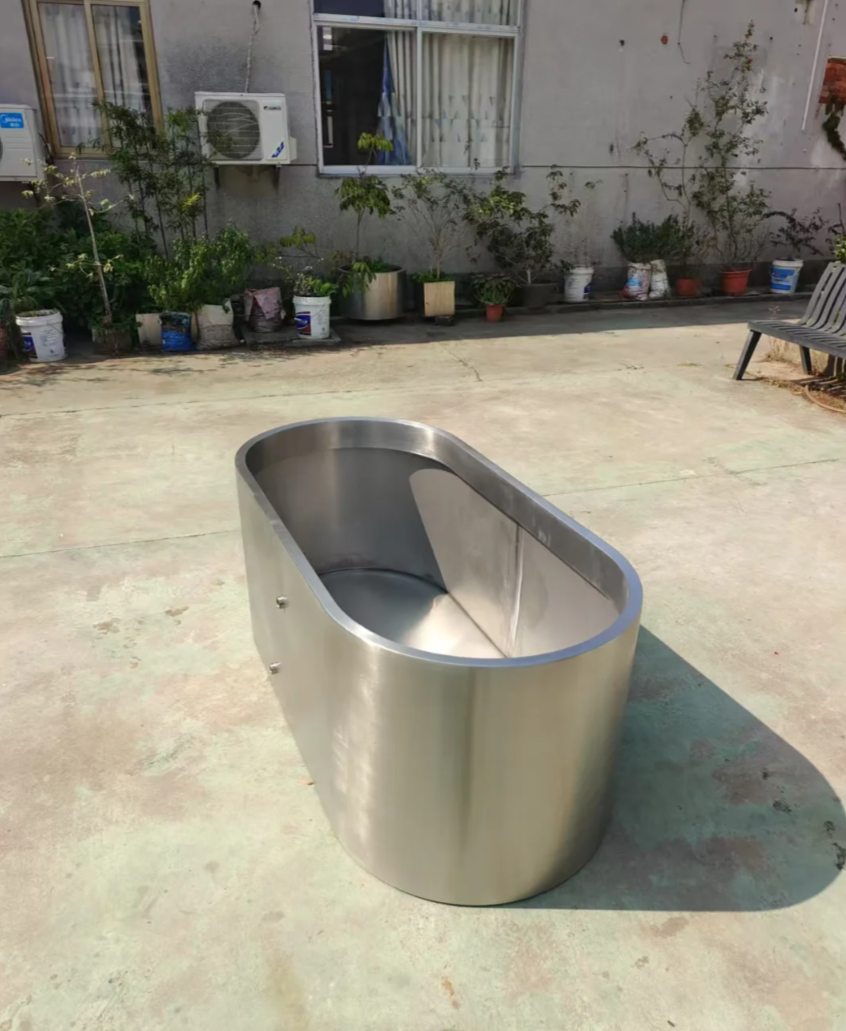
Benefits of Stainless Steel Coils in Hot Tubs
Imagine stepping out into your backyard or your newly renovated bathroom and sinking into a sleek, perfectly heated oasis. Over the past few years, homeowners and designers alike have been moving away from traditional plastics and heavy ceramics, turning their attention toward a more durable, visually striking alternative. The rise of stainless steel tubs is transforming how we experience relaxation at home, blending cutting-edge engineering with stunning aesthetics.
Whether you are considering wood-fired stainless steel hot tubs for your patio or a sleek metal soaking tub for your master bath, understanding the underlying technology—specifically the role of stainless steel heating coils—and the material's structural benefits can help you create the ultimate retreat.
Why Stainless Steel is Revolutionizing the Home Spa
When we look at current industrial style home spa design trends, metal elements are front and center. A stainless steel tub acts as a stunning focal point, easily adapting to modern minimalist bathroom aesthetic ideas. The reflective surface of the metal visually expands the space, complementing raw materials like exposed brick, natural stone, and warm timbers.
But the appeal goes far beyond looks. The heart of many outdoor metal hot tubs is the heating system. Utilizing high-quality stainless steel coils for water heating provides unmatched efficiency. These specialized coils naturally draw cold water in, heat it using an external source (like a wood fire), and thermosiphon it back into the tub without the need for noisy electric pumps.
When paired with the excellent heat retention properties of metal basins—especially those wrapped in quality foam insulation or wood paneling—these coils ensure your water heats up faster and stays warm longer, saving you time and energy. (For more background on stainless steel and its applications, see worldstainless.org.)
Comparing Materials: Making the Right Choice
If you are on the fence about upgrading, it helps to look at the stainless steel vs acrylic bathtub pros and cons. Acrylic is lightweight and affordable but can crack, fade, and harbor bacteria over time. Stainless steel, on the other hand, is nearly indestructible, UV-resistant, and impervious to extreme weather, making it ideal for both indoor and outdoor use.
You might also wonder about traditional heavy-duty materials. When looking at a cast iron vs steel tub weight comparison, stainless steel emerges as the clear winner for modern homes. Cast iron is notoriously heavy, often requiring reinforced flooring just to support the empty tub. Steel offers comparable durability but at a fraction of the weight, making delivery and installation significantly easier.
What About the Noise?
A common question homeowners ask is: are steel soaking tubs noisy? Uninsulated, thin metal can produce a hollow echoing sound when water hits it. However, premium tubs are treated with sound-dampening pads and insulated outer layers, completely neutralizing the noise and providing a quiet, serene bathing experience.
The Importance of Quality: Grades and Thickness
Not all metal tubs are created equal. When shopping for premium fixtures, you need to pay attention to two things: the grade of the steel and its thickness.
There are numerous benefits of 304 grade bathroom fixtures. Type 304 stainless steel contains high levels of chromium and nickel, providing exceptional resistance to corrosion, rust, and oxidation. This is absolutely critical for a vessel meant to hold water constantly. (If you want to review the grade specifications, see Outokumpu’s 304/304L overview.)
Additionally, the gauge thickness for high-end soaking tubs plays a massive role in structural integrity. A lower gauge number means thicker steel (usually 14 or 16-gauge is ideal for luxury tubs). Thicker steel prevents denting, aids in heat retention, and contributes to that premium, heavy-duty feel without rivaling the cumbersome weight of cast iron.
Longevity, Hygiene, and Sustainability
If you are making an investment, you want to know: how long do metal bathtubs last? With proper care, a stainless steel tub can easily last a lifetime, often outliving the house itself. They do not blister or crack like fiberglass, nor do they chip like porcelain.
Furthermore, stainless steel provides exceptionally non-porous hygienic bathing surfaces. Because there are no microscopic pores or grout lines for algae, mold, or bacteria to cling to, the water stays cleaner, and the tub requires fewer harsh chemicals to sanitize.
For the environmentally conscious homeowner, stainless steel is one of the most eco-friendly recyclable bathroom materials available. At the end of its decades-long lifespan, the material is 100% recyclable, ensuring your home spa doesn't eventually end up in a landfill. (Learn more about steel’s role in the circular economy at the World Steel Association.)
Pro Tips for Installation and Maintenance
While the durability of metal is legendary, keeping it looking pristine requires specific care. Here is how to keep your tub gleaming.
Installation Insights
Whether you are placing a freestanding unit on a deck or installing a drop-in metal vessel in your master bathroom, ensure the subfloor is level. Drop-in tubs require a custom-built surround, which offers a great opportunity to add extra insulation around the basin to further maximize heat retention.
Cleaning and Upkeep
Routine hot tub maintenance for stainless steel is surprisingly simple, but technique matters depending on your tub’s finish. For general residential hot tub water care and hygiene practices, you can also reference the CDC hot tub guidance.
Polished Finishes: To maintain a mirror-like shine, preventing water spots on polished metal is your primary goal. After use, simply wipe down the interior with a soft microfiber cloth. If hard water spots do appear, a mixture of white vinegar and water will dissolve the minerals without damaging the steel.
Brushed Finishes: Proper maintenance for brushed metal finishes requires wiping and cleaning in the direction of the grain. Never use circular motions, as this can disrupt the uniform factory texture.
Dealing with Damage: Accidents happen, but repairing scratches in satin finish metal is very manageable. Minor surface scratches can be gently buffed out using a fine synthetic scouring pad (like a Scotch-Brite pad). Again, always rub parallel to the existing grain to blend the repair seamlessly into the finish.
Avoid Harsh Chemicals: Never use bleach, steel wool, or abrasive chloride-based cleaners, as these can strip the protective chromium oxide layer from the steel, leading to rust.
The Final Takeaway
Upgrading to a stainless steel tub—and taking advantage of high-efficiency stainless steel heating coils in outdoor models—is a brilliant investment in your home and your well-being. By combining striking architectural design, unparalleled durability, and highly sanitary surfaces, metal tubs offer a bathing experience that traditional materials simply cannot match. With just a little mindful maintenance, your stainless steel sanctuary will remain a beautiful, relaxing retreat for decades to come.
Related Blogs
-
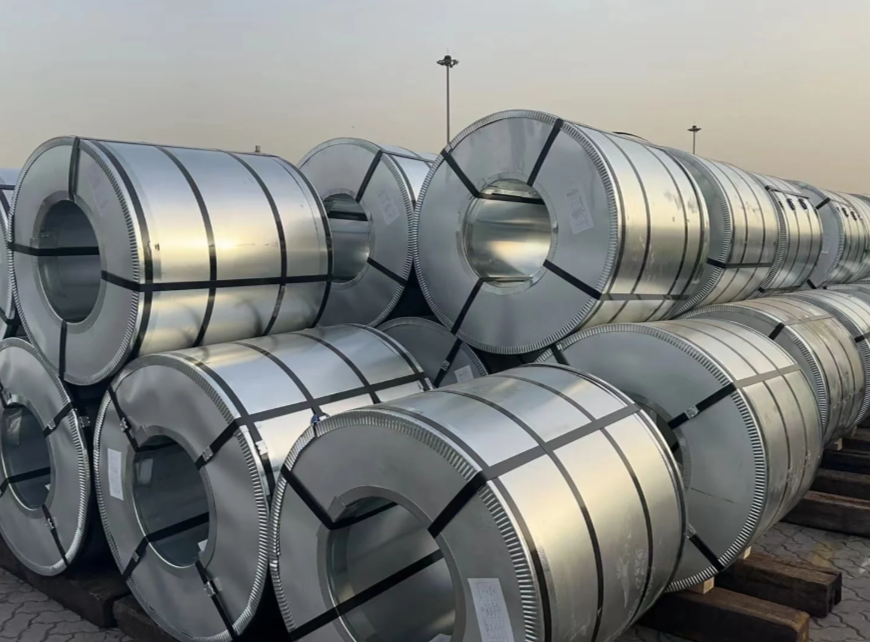 Top Galvanized Steel Coil Suppliers WorldwideGalvanized steel coils are vital in many industries. They offer durability and resistance to corrosion, making them a preferred choice.The demand for these coils is growing globally. Construction, automotive, and manufacturing sectors drive this demand.ChGalvanized Steel Coil/Strip
 -
 How to Choose Stainless Steel Pipe SizesChoosing the right stainless steel pipe size is crucial for any project. It ensures efficiency and safety.Stainless steel pipes are known for their durability and resistance to corrosion. They are used in various industries, from construction to food processinStainless Steel Pipe/Tube
 -
 Benefits of Stainless Steel Coils in Hot TubsImagine stepping out into your backyard or your newly renovated bathroom and sinking into a sleek, perfectly heated oasis. Over the past few years, homeowners and designers alike have been moving away from traditional plastics and heavy ceramics, turningStainless Steel Coil/Strip
