


Products
How to Choose Stainless Steel Pipe Sizes


How to Choose Stainless Steel Pipe Sizes
Choosing the right stainless steel pipe size is crucial for any project. It ensures efficiency and safety.
Stainless steel pipes are known for their durability and resistance to corrosion. They are used in various industries, from construction to food processing.
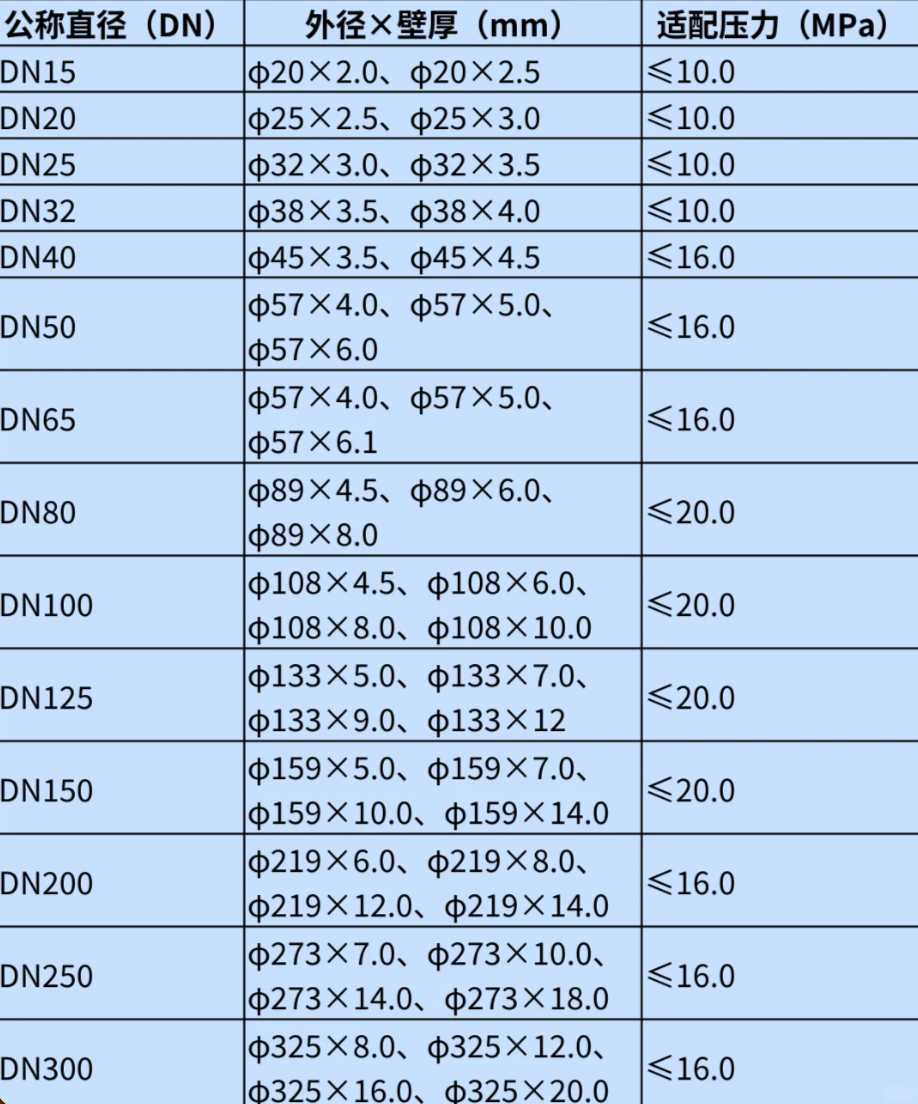
Understanding the different sizing systems is essential. The Nominal Pipe Size (NPS) and Diameter Nominal (DN) systems are commonly used.
Factors like flow rate, pressure, and environmental conditions play a significant role in selecting the right size. A pipe size chart can be a helpful tool.
This guide will walk you through the process of choosing the best stainless steel pipe sizes for your needs.
Stainless steel pipe product/category page
Understanding Stainless Steel Pipe Sizing Systems
Understanding the various pipe sizing systems is critical for selecting the right stainless steel pipes. These systems offer standardized measurements worldwide.
The Nominal Pipe Size (NPS) system is predominantly used in North America. It measures the pipe's bore rather than its outer diameter. On the other hand, the Diameter Nominal (DN) system is the international standard. It provides a straightforward metric measurement system.
Nominal Pipe Size (NPS) overview
Stainless steel pipe sizes often involve two main measurements: the outer diameter (OD) and wall thickness. These measurements determine the pipe's strength and capacity. Here's a simple breakdown:
NPS: Represents the approximate inner diameter
DN: Uses a metric measurement
Wall Thickness: Affects pipe strength
Choosing the correct system depends on your project's locati0n and specific requirements. Understanding these systems can help you make informed decisions and ensure compatibility with existing infrastructure.
ASME B36 standards (pipe dimensions) landing page
Key Factors in Selecting the Right Pipe Size
Selecting the right stainless steel pipe size is critical for the success of any project. Several factors come into play when making this decision. First, consider the flow rate and pressure requirements.
High-pressure systems need pipes with thicker walls for safety. Next, assess the material of the pipe. Different stainless steel grades, such as 304 and 316, offer varying levels of corrosion resistance. Match the grade to your project's environment.
“304 vs 316 stainless steel ”Pipe fittings are also crucial. Ensure they match the pipe's size and material to avoid leaks. Also, consider the application area's temperature and environmental conditions. This is vital for applications in extreme temperatures.
Stainless steel fittings page (elbows, tees, reducers, flanges)
Lastly, ensure the chosen size supports future expansion if necessary. This foresight can save you costs and reduce the need for replacements. Here's a quick checklist to simplify your decision-making:
Determine flow rate and pressure
Select appropriate stainless steel grade
Match pipe fittings correctly
Consider environmental and temperature factors
Plan for future expansion
Understanding these factors can greatly streamline your project planning process. Making informed choices ensures a safe and efficient pipeline system.
Using a Pipe Size Chart: How to Read and Apply It
A pipe size chart can be an invaluable tool in selecting the correct pipe. It provides a visual comparison of different pipe sizes and schedules. This helps determine the pipe diameter and wall thickness you need.
Reading a pipe size chart involves understanding key metrics. These include the Nominal Pipe Size (NPS) or Diameter Nominal (DN) and the Schedule number. The NPS or DN indicates the nominal diameter, while the Schedule number reflects wall thickness.
Comparing Steel Tubing Sizes vs. Steel Pipe Sizes
Distinguishing between steel tubing sizes and steel pipe sizes can prevent costly errors in your projects. Tubing and pipe often seem similar but serve distinct purposes. Knowing their differences helps choose the right product.
Steel tubes are specified by their outer diameter (OD) and wall thickness. These are typically used in structural applications. Steel pipes, however, are measured by their Nominal Pipe Size (NPS) which corresponds to the bore size.
ASTM A312 (stainless steel pipe) scope page
ASTM A269 (stainless steel tubing) scope page
To compare effectively, consider the following:
Tubes focus on OD while pipes focus on NPS.
Pipe schedules impact wall thickness in pipes.
Tubes often cater to strength over transporting fluids.
Understanding these differences ensures your choice suits the intended application, whether structural integrity or fluid transportation.

by the blowup
Seamless vs. Welded Stainless Steel Pipes
Choosing between seamless and welded stainless steel pipes depends on the application. Each type offers distinct advantages suitable for different scenarios. It's important to evaluate their strengths before making a decision.
Seamless pipes are crafted without a seam, providing a cleaner finish. They are typically stronger and suited for high-pressure applications, where durability is essential. For example, they are often used in industries requiring high precision and reliability.
Seamless stainless steel pipe product page
Welded pipes, on the other hand, are manufactured by welding a strip of steel into a tube. They are more economical and are ideal for lower-pressure applications. The choice depends on factors such as budget, pressure requirements, and specific use.
Welded stainless steel pipe product page
Consider the following points:
Seamless pipes: higher strength, suitable for high pressure.
Welded pipes: cost-effective, appropriate for lower pressure.
Choose based on application and budget.

by Greg Willson
Application Considerations: Flow, Pressure, and Environment
Selecting the right stainless steel pipe requires careful consideration of key factors. Flow rate, pressure, and environmental conditions play significant roles. These elements directly impact the efficiency of a piping system.
The flow rate is crucial to ensure the pipe can handle the intended volume of fluid. A higher flow rate may require a larger diameter pipe. Consider your project's specific flow needs before settling on a size.
Pressure requirements will dictate the wall thickness and schedule number. Choose a pipe that can safely manage the pressure levels of your application. Keep in mind that environmental conditions like temperature and humidity also affect material choice. Always tailor your selection to withstand the operating conditions.
Tips for Accurate Measurement and Installation
Accurate measurement is vital for a successful installation of stainless steel pipes. Begin by using the correct tools, such as calipers or micrometers, to measure dimensions. Ensure precision to avoid costly mistakes during installation.
Proper installation requires matching pipe fittings and ensuring tight seals. This prevents leaks and maintains system integrity. Follow industry standards and use specialized tools for the best results.
For effective measurement and installation, remember to:
Use reliable measuring tools.
Verify fitting compatibility.
Adhere to industry standards and guidelines.
Conclusion: Making the Best Choice for Your Project
Selecting the right stainless steel pipe sizes is a key decision for any project. Consider factors like flow requirements, pressure, and environmental conditions for optimal selection. Each application has unique demands, so understanding specific needs is essential.
By consulting size charts and adhering to industry standards, you ensure a successful fit and function. Prioritize accuracy and quality to extend the lifespan of your piping system. With informed choices, your project will benefit from the versatility and durability of stainless steel pipes.
Contact/quote page or “Talk to an engineer”
Related Blogs
-
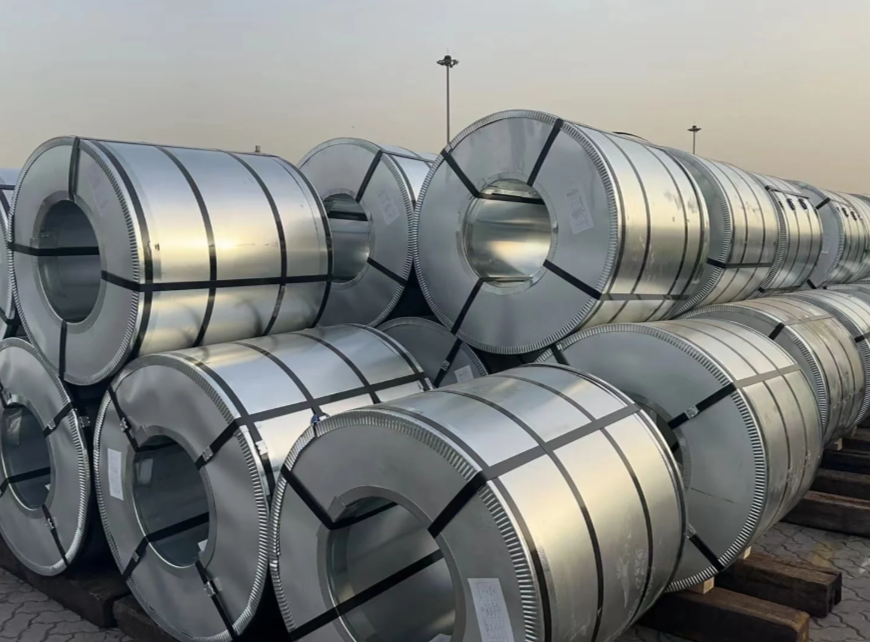 Top Galvanized Steel Coil Suppliers WorldwideGalvanized steel coils are vital in many industries. They offer durability and resistance to corrosion, making them a preferred choice.The demand for these coils is growing globally. Construction, automotive, and manufacturing sectors drive this demand.ChGalvanized Steel Coil/Strip
 -
 How to Choose Stainless Steel Pipe SizesChoosing the right stainless steel pipe size is crucial for any project. It ensures efficiency and safety.Stainless steel pipes are known for their durability and resistance to corrosion. They are used in various industries, from construction to food processinStainless Steel Pipe/Tube
 -
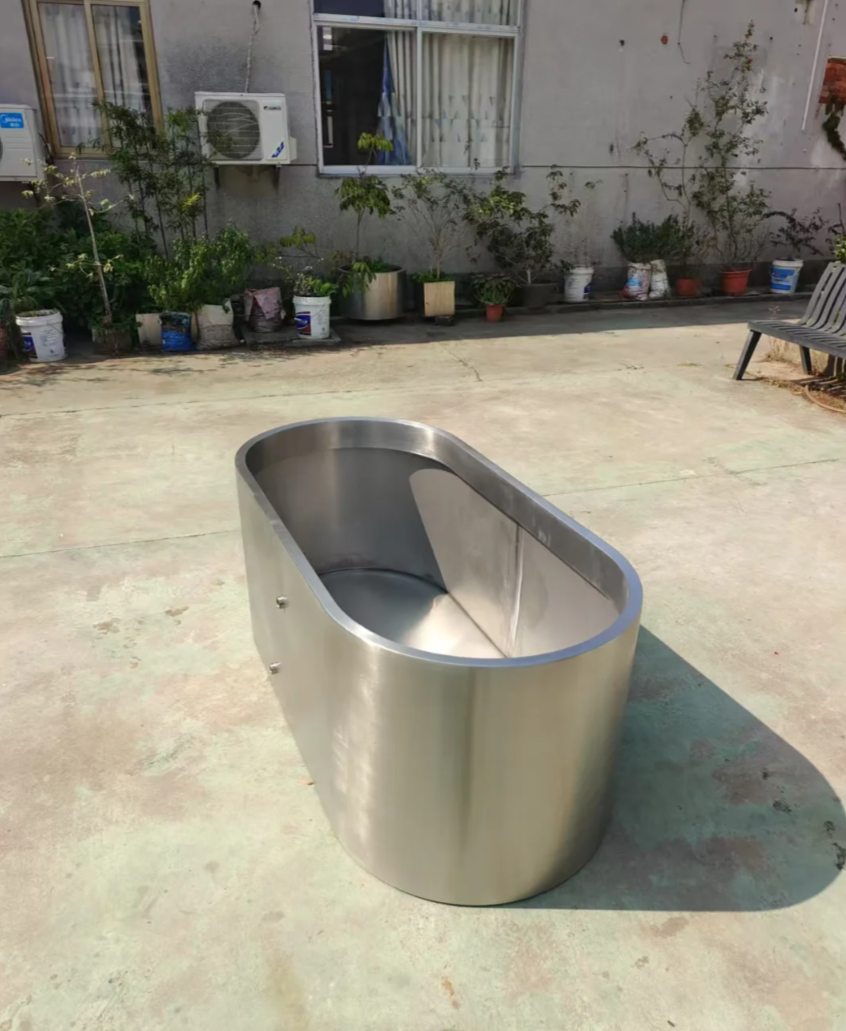 Benefits of Stainless Steel Coils in Hot TubsImagine stepping out into your backyard or your newly renovated bathroom and sinking into a sleek, perfectly heated oasis. Over the past few years, homeowners and designers alike have been moving away from traditional plastics and heavy ceramics, turningStainless Steel Coil/Strip
