


Products
Comparing ACP Panels to Traditional Materials


Comparing ACP Panels to Traditional Materials
Aluminum Composite Panels (ACP) are transforming modern construction. They offer a sleek, contemporary look. But how do they compare to traditional materials like wood, brick, and concrete?
ACP panels are lightweight and easy to install. This can save time and reduce labor costs. For a step-by-step overview, see our ACP panel installation guide. Traditional materials, while sturdy, often require more support and time.
The durability of ACP panels makes them ideal for exterior applications. They resist weather and require less maintenance. Learn more about ACP panels for exterior cladding. Traditional materials may need regular upkeep to maintain their appearance.
Specifying ACP panels can enhance energy efficiency. Their insulating properties help reduce energy consumption. Use this checklist for specifying ACP panels. This makes them a smart choice for sustainable building practices.
In this article, we will explore the benefits and applications of ACP panels. We'll compare them to traditional materials to help you make informed decisions for your projects.
Understanding ACP Panels and Traditional Materials
ACP panels consist of two aluminum sheets bonded to a non-aluminum core. This structure provides high strength with low weight. Such design makes them easy to handle and install. If you need a quick definition and background, see Aluminium composite panel.
Traditional materials have a long history in construction. Wood, brick, and concrete are well-known for their durability and classic aesthetics. They often require more structural support due to their weight.
Here are some aspects of both materials:
Weight: ACP panels are lightweight, while traditional materials are heavier.
Installation: ACP panels install quickly. Traditional materials take longer.
Aesthetics: ACP offers modern styles. Traditional materials offer a classic look.
These characteristics influence their use in various construction projects. Understanding these differences can guide the right choice for your needs.
Key Differences: ACP Panels vs. Traditional Materials
ACP panels and traditional building materials differ in several key areas. These differences affect their suitability for various applications in construction projects.
First, consider the weight aspect. ACP panels are remarkably light due to their aluminum composition. In contrast, traditional materials such as brick or concrete are significantly heavier. This difference impacts transportation and installation logistics.
Next, installation speed is a notable difference. ACP panel installation is generally quick and efficient, reducing labor costs. Traditional materials often involve longer installation times, increasing project timelines.
Moreover, the aesthetic variety offered by ACP panels is extensive. They come in numerous colors and finishes, providing a modern appeal. Meanwhile, traditional materials like wood and stone offer a more classic appearance.
Here are the main differences:
Weight: ACP panels are lighter.
Installation: Faster with ACP panels.
Aesthetics: More options with ACP panels.
These distinctions underscore the versatility of ACP panels compared to more conventional materials.
Advantages of ACP Panels for Exterior Applications
ACP panels excel in exterior applications due to their excellent durability and weather resistance. These panels are designed to withstand harsh environmental conditions, making them ideal for exposed surfaces.
Their lightweight nature adds another layer of advantage in exterior applications. By reducing the load on structures, ACP panels can minimize the need for extensive structural support. This benefit can lead to cost savings and simplified engineering.
In addition to their physical benefits, ACP panels enhance the building's aesthetic appeal. With a wide range of finishes, they can easily mimic natural materials like wood or stone. This versatility allows architects to achieve desired looks without sacrificing performance.
In the UAE, always confirm fire performance requirements and approvals with local authorities such as Dubai Civil Defence.
Advantages of ACP Panels in exterior applications include:
Durability: Resist harsh weather.
Aesthetics: Multiple finishes available.
Structural Impact: Reduce load requirements.
These advantages clearly position ACP panels as a superior choice for modern buildings.
ACP Panel Installation vs. Traditional Material Installation
The installation of ACP panels is efficient, often quicker than traditional materials like wood or brick. This speed can translate into labor savings, reducing overall project costs.
Traditional materials usually require more complex installation procedures. For example, bricklaying demands skilled craftsmanship and can be time-consuming. Conversely, ACP panels can be installed with fewer workforce complications.
Moreover, ACP panels are lightweight, making them easier to handle and position. This simplicity in movement accelerates the installation process, enabling faster project completion. Consequently, time-sensitive projects may benefit greatly from choosing ACP panels.
Key differences in installation processes include:
Complexity: Traditional materials often require skilled labor.
Time: ACP panels offer quicker installation.
Labor: Fewer workers needed for ACP panel projects.
In contrast, the heavier nature of traditional materials often necessitates more substantial support and equipment.
Specifying ACP Panels: Design Flexibility and Customization
Specifying ACP panels can significantly enhance a building's design flexibility. Architects can choose from a wide variety of finishes and colors to achieve desired aesthetics. This wide selection allows for a modern look tailored to the project's specific needs.
Customization options for ACP panels include textures that mimic natural materials like wood or stone. This feature allows buildings to achieve traditional looks without the drawbacks. Additionally, the panels can be tailored to complex shapes and sizes, further enhancing design innovation.
The ability to specify unique finishes helps architects to create visual interest and distinct building facades.
Customization options include:
Finishes: Wide range of colors and textures.
Shapes: Adaptable to complex designs.
Textures: Mimic natural materials.
Durability, Maintenance, and Sustainability Comparison
ACP panels offer outstanding durability against weather and corrosive environments. They resist moisture and impact, providing a long-lasting facade solution. Traditional materials like wood and brick, however, can deteriorate faster under harsh conditions.
Regarding maintenance, ACP panels shine with their low upkeep requirements. Their smooth surfaces repel dirt, needing only occasional cleaning. In contrast, traditional materials often demand regular treatments, repainting, or sealing to maintain their appearance.
Sustainability is another aspect where ACP panels excel. These panels are often recyclable, promoting eco-friendly building practices. For more on aluminum recycling and circularity, see the Aluminum Association's recycling resources. If you are targeting green building certification, review LEED requirements and credits.
Key aspects include:
Durability: Weather and impact resistance.
Maintenance: Minimal cleaning requirements.
Sustainability: Recyclability and reduced environmental impact.

Cost Considerations and Project Impact
When comparing costs, ACP panels usually present a cost-effective solution for large projects. Their lightweight nature can reduce transportation and structural support expenses, adding to overall savings. Conversely, traditional materials may require more labor and time, increasing the budget.
The impact on project timelines is significant with ACP panels. Installation is quicker, potentially accelerating project completion. This efficiency can lead to fewer disruptions and lower labor costs. Traditional materials often involve longer installation processes, possibly affecting deadlines.
Consider these points for cost-effectiveness:
Material cost vs. labor intensity
Installation speed
Overall project timeline impact
Conclusion: Choosing the Right Material for Your Project
In selecting building materials, consider both form and function. ACP panels offer modern aesthetics and practical advantages. They are durable, low-maintenance, and environmentally friendly, ideal for many modern construction needs.
However, traditional materials provide a timeless appearance and may suit heritage projects better. Evaluate your project's requirements, budget, and timeline. Choose materials that align with your vision and practical needs. Balancing aesthetics, costs, and durability is key. By assessing these factors, you can ensure a successful building project that meets your goals.
Related Blogs
-
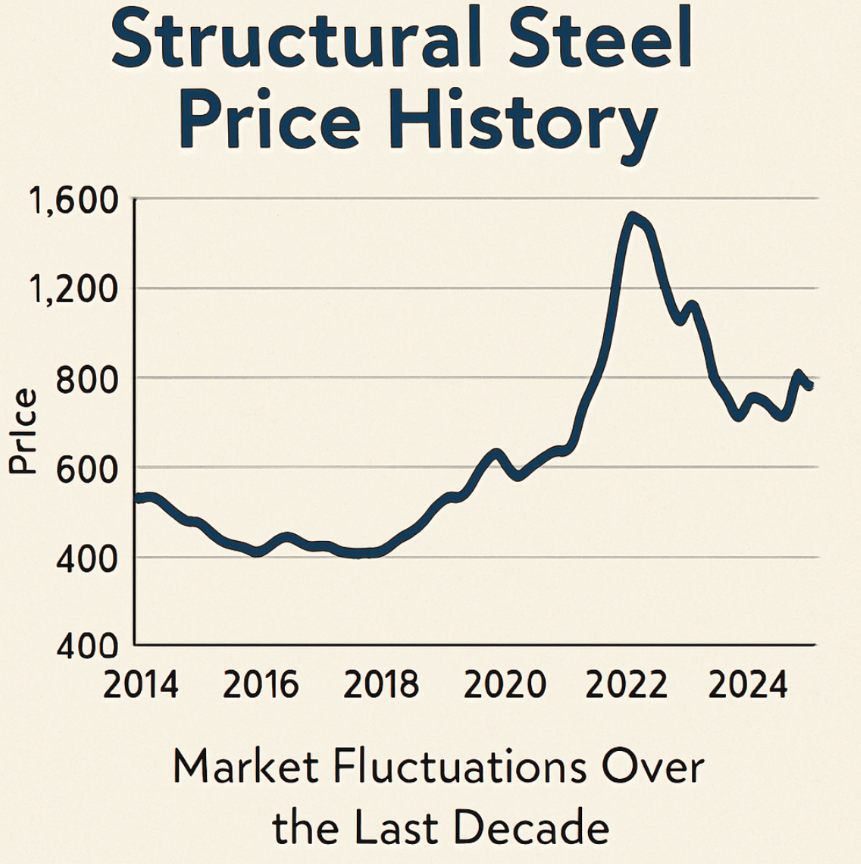 How much does 1 ton of steel costWhether you are planning a massive commercial warehouse or engineering a custom home, steel is the undeniable backbone of modern construction. It offers unparalleled strength, durability, and architectural flexibility. But when it comes time to plan your project budg
 -
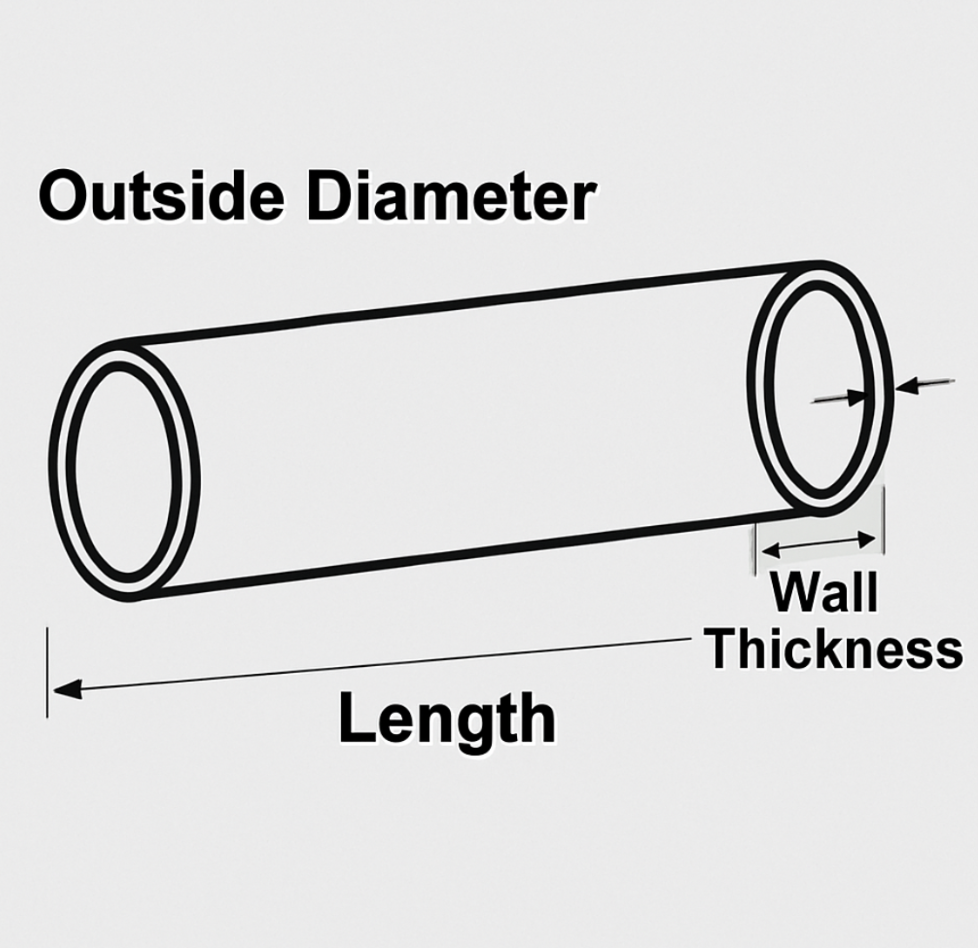 Understanding 316 Stainless Steel Tube DimensionsIf your customers mainly need quick sizing, a table is the fastest way to choose the right 316 stainless steel tube. Use the charts below as a practical starting point, then confirm the exact specification with your supplier and the governing standardStainless Steel Pipe/Tube
 -
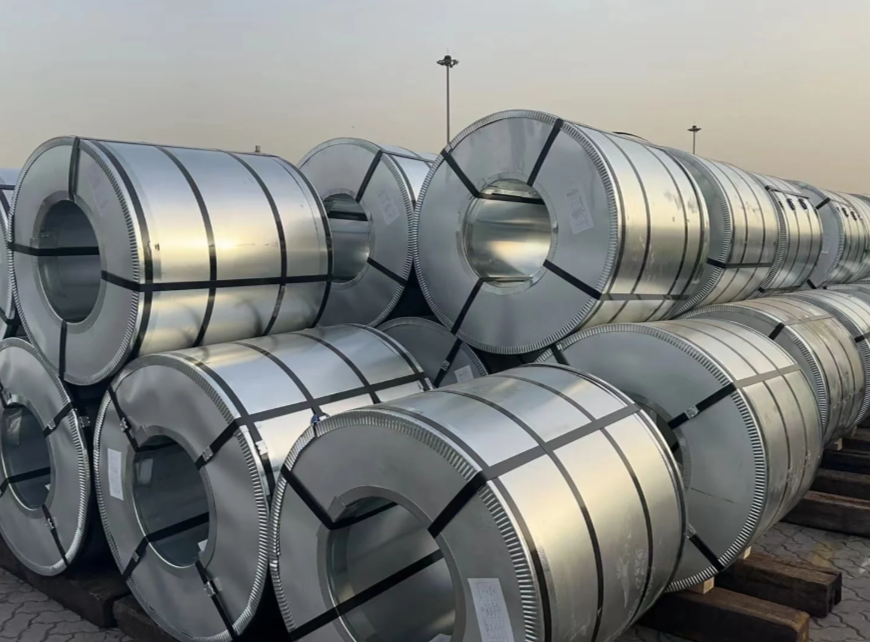 Top Galvanized Steel Coil Suppliers WorldwideGalvanized steel coils are vital in many industries. They offer durability and resistance to corrosion, making them a preferred choice.The demand for these coils is growing globally. Construction, automotive, and manufacturing sectors drive this demand.ChGalvanized Steel Coil/Strip
