

Products
Pipe Fittings: Types, Uses, and Material Guide


Understanding Different Types of Pipe Fittings
Pipe fittings are crucial in any plumbing system. They connect pipes, allowing water or gas to flow smoothly.
Understanding different types of pipe fittings is essential for anyone involved in plumbing. It helps in selecting the right components for specific tasks.
From homeowners to professionals, knowing about plumbing fittings can prevent costly repairs. It ensures the system's efficiency and longevity.
Pipe connectors come in various shapes and materials. Each type serves a unique purpose in plumbing installations. You may also want to compare options in our pipe connectors guide.
This guide will explore the common types of pipe fittings and their applications. Dive in to enhance your plumbing knowledge.
What Are Pipe Fittings and Why Are They Important?
Pipe fittings are essential components in plumbing systems. They serve to connect different sections of pipes or tubes. This allows for complex plumbing layouts and ensures proper flow direction.
The importance of these fittings cannot be overstated. They provide flexibility, accommodating changes in direction or size. They also facilitate system maintenance by allowing easy disconnection and reconnection of pipes. Without pipe fittings, plumbing would be rigid and inefficient.
Common reasons for their importance include:
Altering the pipe direction
Connecting pipes of different sizes
Sealing the end of a line
Common Types of Pipe Fittings
Pipe fittings come in various forms, each serving specific purposes within plumbing systems. Understanding these types helps in selecting the right ones for specific needs. This knowledge ensures plumbing systems are efficient and reliable.
Elbows, tees, and crosses are foundational fittings. They allow changes in direction and the combination or splitting of flow. Couplings and unions connect pipes, either permanently or temporarily.
Other types include adapters and bushings, which connect pipes of different sizes or types. Caps, plugs, and flanges play crucial roles in sealing or connecting to equipment.
Elbows
Elbows are important for altering the pipe direction in a plumbing system. They come in different angles, such as 45 or 90 degrees. This flexibility allows for efficient routing and space-saving installations.
These fittings are used extensively in both residential and industrial settings. They accommodate the layout requirements of various projects. Selecting the right elbow ensures smooth flow and system integrity.

by Carlos Toigo
Tees and Crosses
Tees are T-shaped fittings that split or combine the flow of fluid. They are widely used for branching pipelines. These fittings facilitate efficient distribution of water or gas in different directions.
Crosses, similar to tees, have an additional outlet. They allow for more complex plumbing connections. While less common, crosses are vital in specific applications requiring multi-directional flow.

by Nigel Hoare
Couplings and Unions
Couplings are critical for connecting two pipes together. They are often used to join pipes of the same diameter. This provides continuity in the plumbing line.
Unions offer the advantage of easy disconnection and reconnection. This makes them ideal for maintenance and repairs. Unlike couplings, they allow for temporary joins without compromising system integrity.

by Rak Ankong
Adapters and Bushings
Adapters are used to connect pipes of different types or sizes. This is essential in systems with mixed materials. They ensure compatibility and seamless operation across different sections.
Bushings perform a similar role by reducing pipe size. They adapt large pipes to smaller ones without needing additional piping. This simplicity is valuable in space-constrained environments.

by Iain
Caps, Plugs, and Flanges
Caps and plugs are used to close off pipe ends. This prevents unwanted flow and ensures system security. They are vital in applications requiring intermittent pipe extensions.
Flanges serve a unique purpose by connecting pipes to equipment like valves and pumps. They provide sturdy connections that can withstand pressure. Flanges are essential in industrial and mechanical systems for secure fittings.

by Shail Sharma
Pipe Fitting Materials: Choosing the Right One
Selecting the right material for pipe fittings is crucial. Each material has unique properties that suit different applications. Consider factors like pressure, temperature, and environmental conditions when choosing materials.
Common materials used for plumbing fittings include:
PVC: Known for its resistance to corrosion and ease of use.
Copper: Valued for its durability and heat tolerance. (Reference: Copper in plumbing)
Brass: Combines corrosion resistance with strong mechanical properties.
Stainless Steel: Offers strength and resists rust, ideal for high-stress settings.
Selecting the proper material ensures the longevity and reliability of plumbing systems. It also prevents leaks and reduces maintenance needs. Understanding these materials aids in making informed decisions for any plumbing project.

by iSawRed
Pipe Connectors and Joining Methods
Pipe connectors play a vital role in plumbing systems. They ensure the secure joining of pipes, creating a coherent flow path. Various methods are employed to connect pipes efficiently.
Some common joining methods include:
Threaded Connections: Use threads for quick assembly. (Overview: pipe thread basics)
Soldering: Fuses metal pipes permanently.
Push-Fit Systems: Allows for fast, tool-free installation.
Compression Fittings: Utilize rings to create a seal without heat.
Choosing the correct method depends on the pipe material and application. Understanding these methods can prevent future leaks and save time. Proper joining is paramount for system integrity and performance.

by Compagnons
Selecting the Right Plumbing Fittings for Your Project
Choosing the correct plumbing fittings is crucial for a successful installation. Consider factors like pipe material, pressure requirements, and environmental conditions. These factors influence compatibility and performance.
Here's what to evaluate:
Compatibility with existing pipes
Durability and quality of materials
Specific function of the fitting
Evaluating these factors helps in selecting fittings that meet project needs effectively. Proper selection ensures system efficiency and longevity. Making informed decisions saves both time and resources in the long run. If you’re sourcing components, see our plumbing supplies page for common categories and specs.
Tips for Installation and Maintenance
Proper installation and maintenance of pipe fittings are vital for system efficiency. Regular checks can prevent potential issues and extend the lifespan.
Key tips include:
Follow manufacturer guidelines precisely
Regularly inspect for leaks or wear
Use appropriate tools for fittings
Implementing these practices helps maintain functionality and reduce repair costs. Consistent maintenance ensures a reliable plumbing system for years to come.
Conclusion: The Role of Pipe Fittings in Plumbing Systems
Pipe fittings are the backbone of any plumbing system. They connect, direct, and control the flow of fluids efficiently. Choosing the right types and materials is crucial to ensure the system's performance and longevity.
Understanding the different pipe fittings empowers homeowners and professionals alike. Knowledge of proper installation and maintenance helps avoid costly repairs. Ultimately, well-chosen pipe fittings ensure a safe and functional plumbing system.
Further Resources
Related Blogs
-
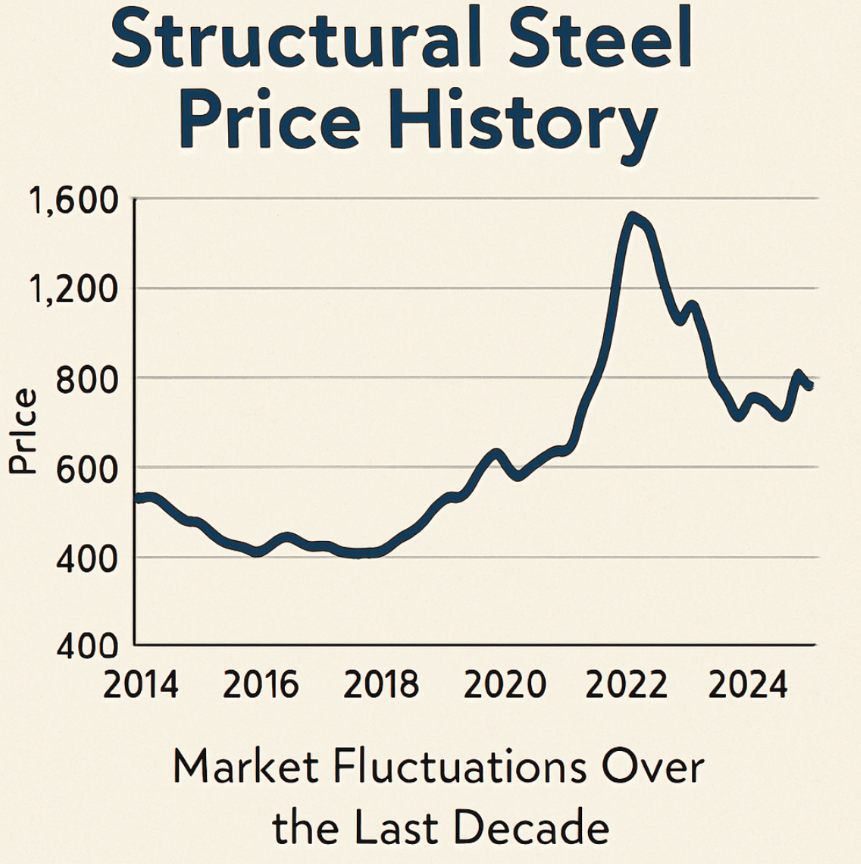 How much does 1 ton of steel costWhether you are planning a massive commercial warehouse or engineering a custom home, steel is the undeniable backbone of modern construction. It offers unparalleled strength, durability, and architectural flexibility. But when it comes time to plan your project budg
 -
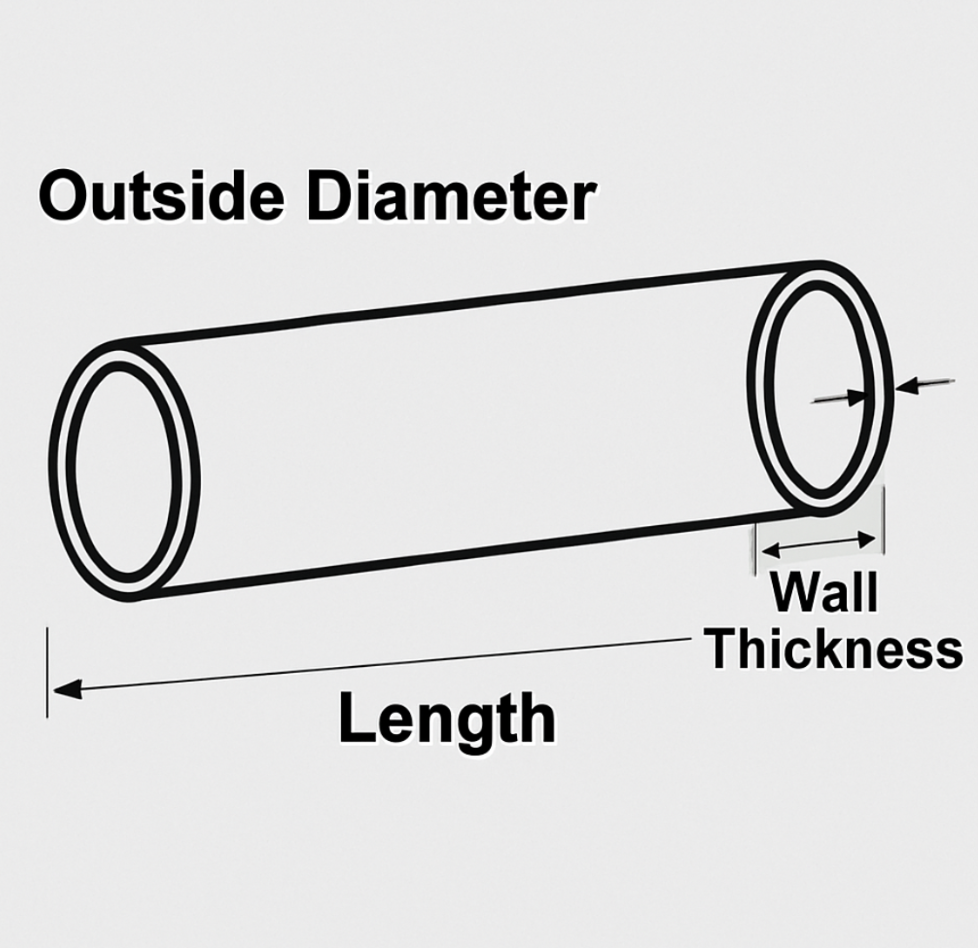 Understanding 316 Stainless Steel Tube DimensionsIf your customers mainly need quick sizing, a table is the fastest way to choose the right 316 stainless steel tube. Use the charts below as a practical starting point, then confirm the exact specification with your supplier and the governing standardStainless Steel Pipe/Tube
 -
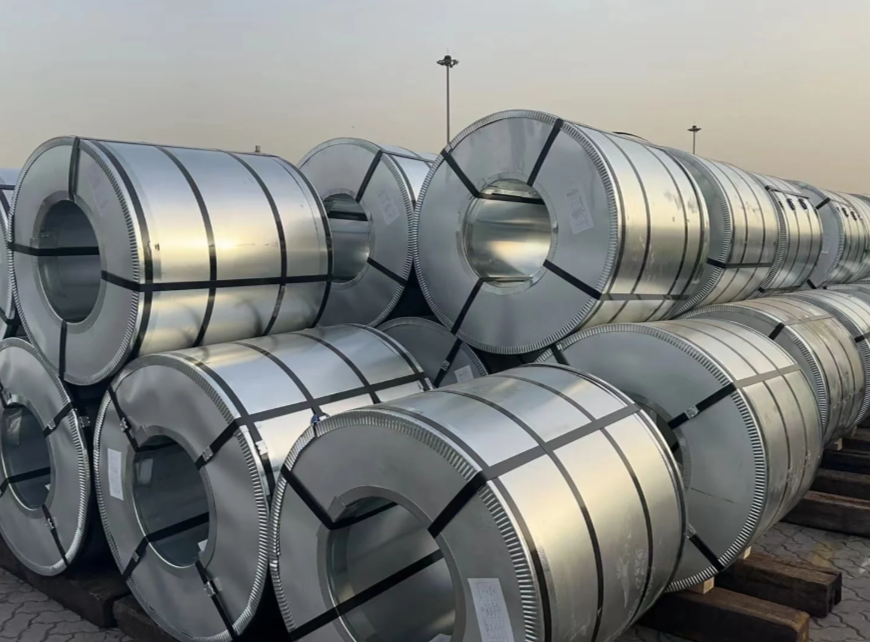 Top Galvanized Steel Coil Suppliers WorldwideGalvanized steel coils are vital in many industries. They offer durability and resistance to corrosion, making them a preferred choice.The demand for these coils is growing globally. Construction, automotive, and manufacturing sectors drive this demand.ChGalvanized Steel Coil/Strip
