

Products
ASTM A36 Steel: Top Construction Applications


Applications of ASTM A36 in Construction
ASTM A36 steel is a cornerstone in the construction industry. Known for its strength and versatility, it is a popular choice for many projects.
This steel grade is widely used due to its excellent weldability and machinability. It is a cost-effective option for large-scale construction endeavors.
A36 structural steel is essential in building bridges, skyscrapers, and other infrastructure. Its properties make it suitable for various structural applications.
The steel's durability and strength ensure long-lasting structures. It is also adaptable, making it ideal for both residential and commercial projects.
Understanding the applications of ASTM A36 in construction can enhance project outcomes. Let's explore its uses and benefits further.
Overview of ASTM A36 Steel
ASTM A36 steel is a standard specification used globally. It is primarily a carbon structural steel. This material is highly valued in the construction sector.
The unique properties of A36 enhance its appeal. These include strong weldability and easy machinability. Its cost-effectiveness adds to its popularity for infrastructure projects.
Key characteristics of ASTM A36 steel include:
Minimum yield strength of 36,000 psi
High durability and strength
Excellent adaptability for different shapes
This versatility makes A36 structural steel an ideal choice. It is applicable in various construction settings. Whether for beams, plates, or other structures, ASTM A36 is essential.
Key ASTM A36 Properties for Construction
ASTM A36 steel boasts several key properties. These properties make it a favored material for construction uses. Its mechanical strength and affordability combine to benefit builders.
This steel exhibits excellent weldability. It can connect easily without losing structural integrity. Machinability is also a standout trait, ensuring ease of formation and fabrication.
In addition to these, ASTM A36 properties include:
High toughness and ductility
Resistance to deformation under pressure
Good performance in varying temperatures
Another aspect is its resilience to rust and wear. This quality prolongs the lifespan of structures. Overall, it withstands the demands and conditions of construction environments efficiently. Consequently, it’s a reliable choice for both commercial and residential projects.
Common Forms and Availability of A36 Structural Steel
A36 structural steel is available in numerous forms to cater to diverse needs. Each form offers unique benefits in construction. This versatility enhances its application scope, making it a favorite among builders and engineers.
The most common forms include:
Plates
Beams
Angles
Bars
These various options provide flexibility in design and construction. Fabricators can easily cut and weld these forms to suit specific project requirements.
Availability of these forms ensures seamless acquisition and integration into projects. This accessibility helps keep projects on schedule and within budget.
Major Applications of ASTM A36 in Construction
ASTM A36 steel is a staple in many construction projects. Its adaptability suits several significant applications, ensuring structural integrity.
Notably used in diverse areas, A36 structural steel ensures durability. Its role in construction is enhanced by its mechanical properties. Hence, it is commonly chosen for key infrastructure projects.
Typical applications include:
Residential and commercial buildings
Bridges and infrastructure
Industrial facilities
Marine structures
The steel's strength and flexibility support safety in various environments. From skyscrapers to pipelines, its presence is profound.

Overall, A36 facilitates efficient construction. Its widespread availability and cost-effectiveness further endorse its use, making it indispensable in the building and engineering sectors.
Buildings and High-Rise Structures
Buildings benefit greatly from the use of ASTM A36. Its strength supports modern architectural designs, ensuring safety and stability. The steel’s properties allow for elegant yet robust high-rise constructions.
In buildings and high-rises, A36 steel is often used for:
Frameworks
Columns
Beams
These elements form the backbone of structures, providing essential load-bearing capabilities. Engineers trust A36 steel due to its reliability, making it a popular choice for skyscrapers.
Bridges and Infrastructure Projects
Bridges commonly utilize ASTM A36 steel, valued for its load-bearing capacity. This steel ensures that infrastructure meets longevity and performance demands.
For infrastructure and bridges, A36 steel is used in:
Trusses
Girders
Decks
These components need strength and ductility to handle stress and movement. The inherent toughness of A36 makes it ideal for such applications, ensuring resilience and safety in transit structures.
Industrial and Commercial Facilities
Industrial and commercial facilities rely heavily on A36 steel for various components. Its practical attributes suit the demanding conditions of these environments.
Common uses in these facilities include:
Support frames
Machinery bases
Storage frameworks
A36 steel withstands industrial pressures, enhancing facility efficiency. Its application in commercial projects also supports longevity, promoting economic feasibility.
Pipelines, Tanks, and Marine Structures
In marine and fluid storage applications, A36 steel’s properties are crucial. Its use extends to the demanding environments of pipelines and tanks.
Used for:
Storage tanks
Oil rigs
Pipelines
A36 steel resists corrosion and absorbs energy from impacts. This makes it perfect for marine structures, handling harsh conditions efficiently while maintaining structural integrity.
Benefits of Using ASTM A36 Steel in Construction
ASTM A36 steel is renowned for its cost-effectiveness, providing significant savings on large projects. Its mechanical properties offer high weldability, making on-site modifications straightforward and efficient.
Key benefits include:
Versatility in various construction applications
Ease of fabrication and machining
Durability and long service life
These benefits simplify construction processes, reduce costs, and enhance safety. The steel’s reliability and availability further contribute to its widespread adoption, proving invaluable for builders and engineers alike.
Limitations and Considerations
While ASTM A36 steel is versatile, it has certain limitations. For instance, it may not be the best choice for applications requiring high strength-to-weight ratios.
Some considerations include:
Limited yield strength for specialized needs
Not ideal for extreme temperature exposure
Requires protective coatings in corrosive environments
These factors should be considered during project planning to ensure optimal material selection.
Sustainability and Recyclability of A36 Structural Steel
ASTM A36 steel is not only versatile but also environmentally friendly. Its recyclability supports sustainable building practices. Key sustainable features include:
High recyclability without loss of strength
Minimal waste production during manufacturing
Contribution to reduced resource consumption
Related resources
High-Quality Carbon Steel Coils for Manufacturing and Construction | Reliable Global Supplier
High-Quality Carbon Steel Coil | Hot Rolled & Cold Rolled Steel Coil Manufacturer
Conclusion
ASTM A36 steel excels in construction due to its strength, versatility, and cost-effectiveness. Its wide range of applications demonstrates its essential role in the industry.
Related Blogs
-
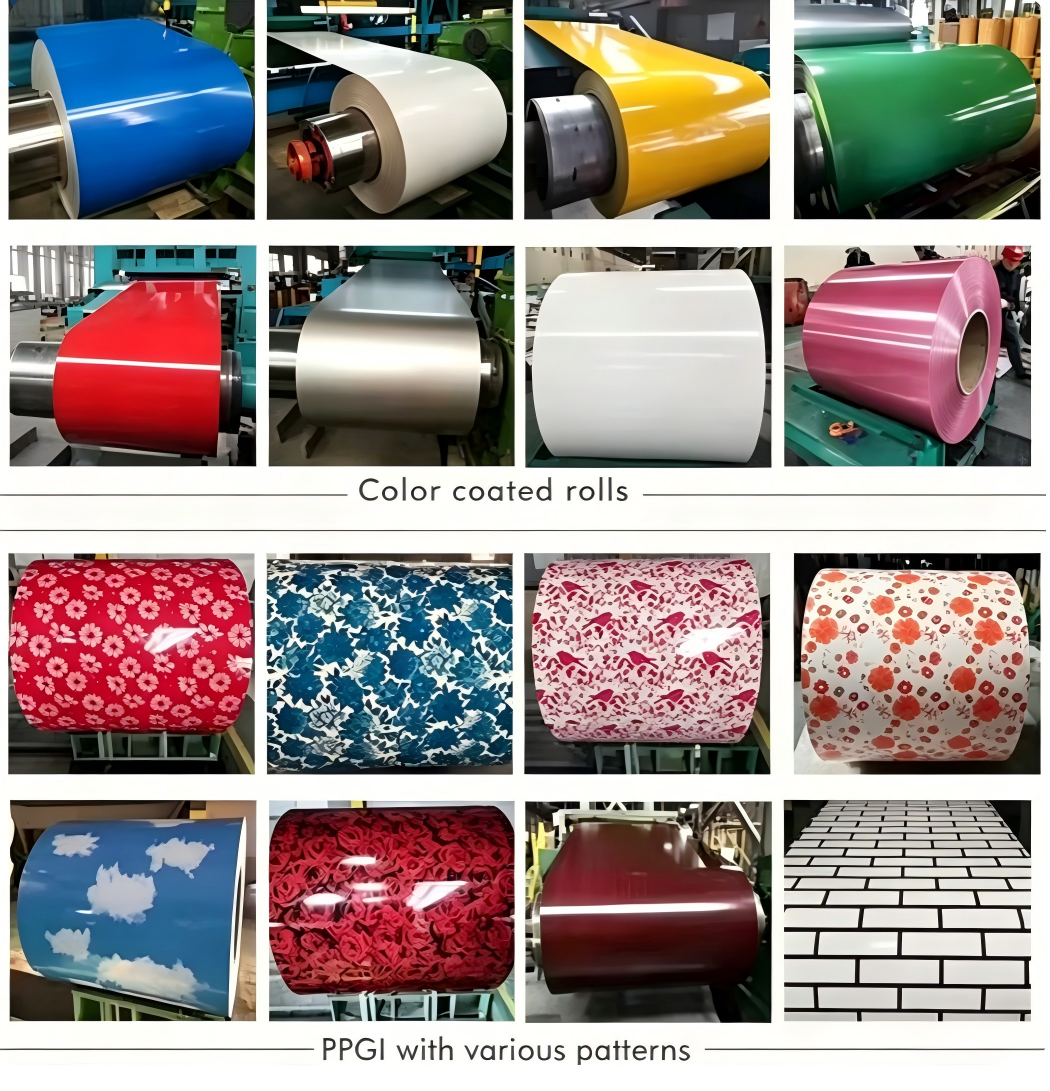 How much is a coil of Colorbond?Price for a Colorbond coil isn’t one fixed number. It depends on the paint system (including paint film thickness), the substrate/material, the base metal thickness, and the coil size you need. It also depends on where you’re buying from and whether the material is stGalvanized Steel Coil/Strip
 -
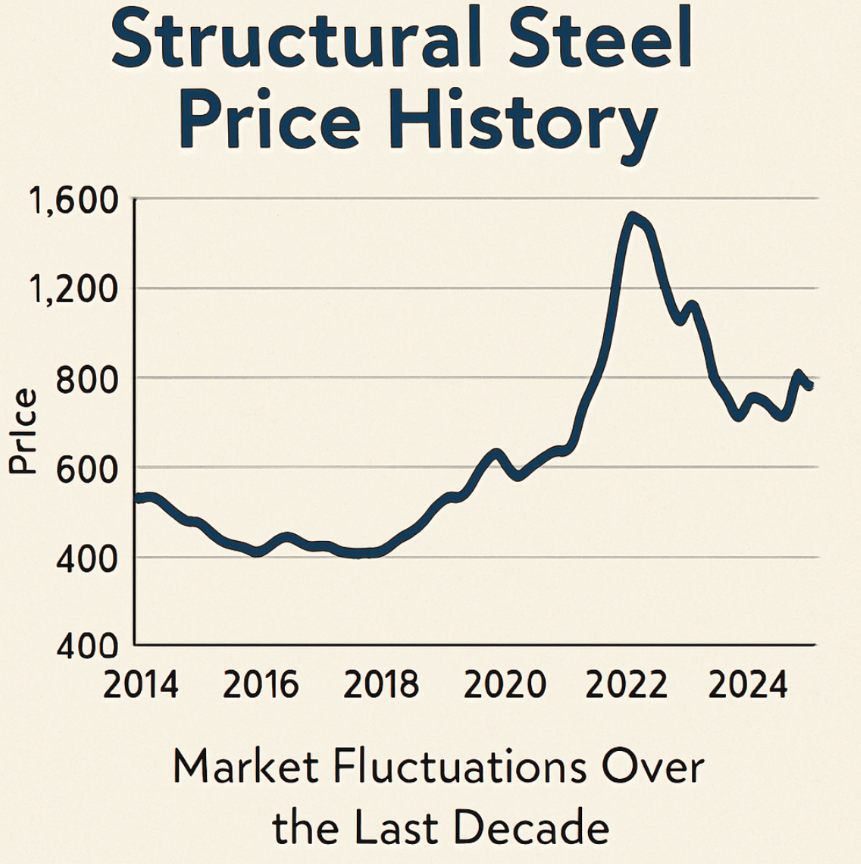 How much does 1 ton of steel costWhether you are planning a massive commercial warehouse or engineering a custom home, steel is the undeniable backbone of modern construction. It offers unparalleled strength, durability, and architectural flexibility. But when it comes time to plan your project budg
 -
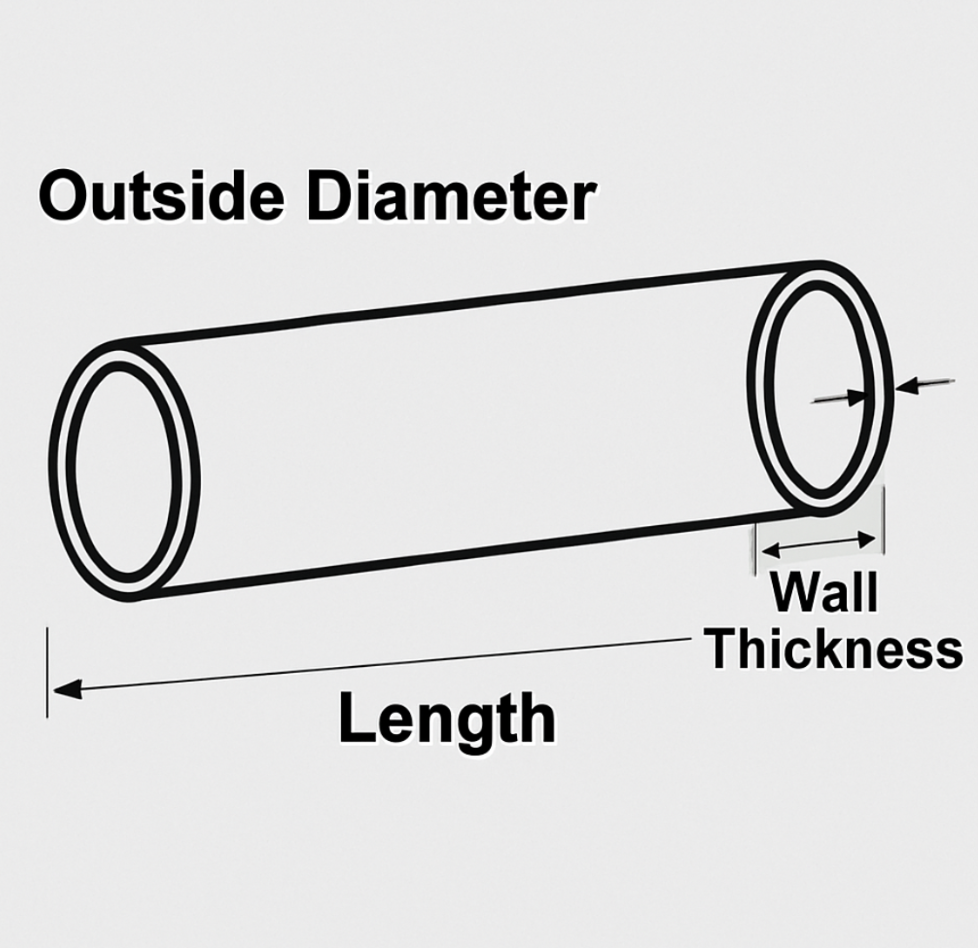 Understanding 316 Stainless Steel Tube DimensionsIf your customers mainly need quick sizing, a table is the fastest way to choose the right 316 stainless steel tube. Use the charts below as a practical starting point, then confirm the exact specification with your supplier and the governing standardStainless Steel Pipe/Tube
