

Products
Steel Pipe Advantages: Strength, Versatility & More


Understanding the Benefits of Steel Pipes
Steel pipes are a cornerstone in many industries. Their strength and durability make them indispensable. From construction to plumbing, their applications are vast.
These pipes are not just about strength. They offer versatility and resistance to corrosion. This makes them a preferred choice for long-term projects.
Steel pipe fittings play a crucial role. They ensure secure connections and prevent leaks. Steel pipe fittings help users find compatible connectors and accessories. Stainless steel pipe clamps add stability to the system.
The 36 inch steel pipe elbow fittings are essential for directing flow. They are vital in large-scale piping systems. Their role cannot be understated. 36 inch steel pipe elbow fittings .
Understanding the benefits of steel pipes is key. This guide will explore their advantages and applications. Discover why they are a top choice for professionals.
What Are Steel Pipes?
Steel pipes are cylindrical tubes made from steel, designed to transport fluids and gases efficiently. Their strength and durability make them ideal for handling high pressure and temperature.
These pipes come in various types, including carbon and stainless steel. Each type serves different purposes, with carbon steel often used in industrial applications and stainless steel favored for its corrosion resistance.
Key features of steel pipes include:
High strength-to-weight ratio
Resistance to heat and pressure
Longevity and durability
Steel pipes are available in different sizes and thicknesses to fit specific needs. Whether for plumbing or large-scale infrastructure, they provide reliable solutions.
Key Benefits of Steel Pipes
Steel pipes offer numerous advantages, making them a popular choice in many industries. One key benefit is their exceptional strength and durability, ensuring they withstand harsh conditions without compromising performance.
Another advantage of steel pipes is their resistance to rust, particularly when made from stainless steel. This resistance extends their lifespan significantly, reducing maintenance costs over time. Stainless steel (corrosion resistance overview) Steel pipes also provide versatility in applications. They can be used in construction, plumbing, and the oil and gas industry, adapting to various project requirements with ease.
Additional benefits include:
High pressure and temperature tolerance
Customizable sizes and thicknesses
Eco-friendly due to recyclability
Moreover, steel pipes feature a smooth interior surface that reduces friction. This design ensures efficient fluid flow, optimizing the transportation system's performance.
The cost-effectiveness of steel pipes is noteworthy as well. Despite a potentially higher initial investment, their long-term savings through durability and low upkeep prove valuable.
Lastly, the aesthetic appeal of steel pipes can enhance architectural designs. Their sleek appearance can complement both modern and traditional styles, blending functionality with beauty.
Common Applications of Steel Pipes
Steel pipes find their way into numerous fields, showcasing their versatility and reliability. In the construction sector, they play a critical role in creating sturdy frameworks for buildings and bridges. Their strength-to-weight ratio makes them ideal for structural integrity without adding excessive weight.
Another significant application is in plumbing systems, where steel pipes provide dependable water supply solutions. Their rust resistance ensures longevity, maintaining water quality over the years.
In the oil and gas industry, steel pipes are crucial. They efficiently transport oil, natural gas, and other resources across vast distances. Their ability to withstand high pressure and temperature is essential in these environments.
Common uses include:
HVAC systems for heat and cooling distribution
Fire sprinkler systems for safety and efficiency
Agricultural irrigation systems to support farming
Steel pipes also feature prominently in manufacturing processes. They are often incorporated into machinery, equipment, and even exhaust systems in the automotive industry. Their capacity to handle corrosive substances makes them suitable for chemical plants as well.

Essential Steel Pipe Components: Fittings, Clamps, and Elbow Fittings
Steel pipes do not function alone. They rely on essential components like fittings, clamps, and elbows to complete piping systems. Each plays a vital role in ensuring seamless connections and secure installations.
Steel Pipe Fittings
Steel pipe fittings are crucial for joining pipes and managing directional changes. They come in various shapes, such as tees, reducers, and couplings. These fittings enable systems to adapt to different layouts and maintain a strong bond.
Stainless Steel Pipe Clamps
Stainless steel pipe clamps provide added support and stability, preventing pipes from shifting or detaching. They are highly resistant to rust, offering protection in diverse environments. Their durability makes them ideal for both indoor and outdoor applications.
Elbow Fittings
36-inch steel pipe elbow fittings are used to change the direction of pipe flow. They are essential in large piping systems where altering flow direction is necessary. These elbows ensure smooth transitions without compromising the flow rate.
Key components include:
Tees, reducers, and couplings in various sizes
Rust-resistant clamps for strength and longevity
Large elbow fittings to manage directional changes
Steel pipe components maximize efficiency and reliability in piping systems. Their proper selection and usage can significantly impact the performance and lifespan of the entire system.

Standards and Specifications (Helpful for Buyers)
If you are sourcing steel pipes for industrial projects, referencing common standards can help you specify the right grade, dimensions, and performance requirements:
ASTM A53 (general purpose steel pipe)
ASTM A106 (high-temperature service)
API 5L (line pipe for oil and gas)
ISO 3183 (pipeline transportation systems)
For procurement, you can also add a link to your company’s quality documents or inspection process here. [Internal link]
Why Choose Steel Pipes Over Other Materials?
When it comes to selecting materials for piping, steel pipes offer distinct advantages. They stand out due to their robust nature and high durability. Unlike some other materials, steel pipes can withstand significant pressure, making them suitable for demanding environments.
Benefits in Comparison
Steel pipes offer a unique blend of properties that are hard to find in other materials. They provide excellent resistance to corrosion, especially when crafted from stainless steel. This feature extends their lifespan significantly in various industrial applications. Additionally, steel pipes are known for their recyclability, offering an environmentally friendly option.
Key Reasons for Choosing Steel Pipes:
High strength-to-weight ratio
Excellent resistance to corrosion
Long lifespan and durability
Recyclable and environmentally friendly
Choosing steel pipes ensures reliable performance and cost-effectiveness over time. They deliver unwavering support in both simple and complex systems, making them a preferred choice across numerous industries.
Installation and Maintenance Tips
Proper installation and maintenance are key to maximizing the lifespan of steel pipes. These steps ensure your piping system performs optimally for years to come. Begin by selecting the right size and type of steel pipe for your specific application.
Installation Best Practices
Ensure a tight seal during installation to prevent leaks. Use appropriate tools and techniques such as welding or threading. The correct use of fittings, like elbow fittings and clamps, is crucial in securing connections.
Maintenance Suggestions:
Regularly inspect joints and connections
Check for signs of corrosion or wear
Replace components as needed
Regular checks and timely maintenance extend the usefulness of steel pipes. Adhering to these tips avoids costly repairs and ensures efficient flow and system integrity.
Conclusion: The Lasting Value of Steel Pipes
Steel pipes stand out due to their exceptional durability and versatility. They cater to numerous industries such as construction, plumbing, and oil and gas. Their resilience under high pressure and temperatures makes them a preferred choice for challenging environments.
The long-term benefits of steel pipes, such as low maintenance and cost-effectiveness, contribute to their lasting appeal. The combination of strength, recyclability, and adaptability ensures that steel pipes remain a valuable asset in various applications, enhancing safety and performance.
If you’d like, you can add a final internal link for a clear next step (e.g., request a quote, contact, orproduct catalog download).
Related Blogs
-
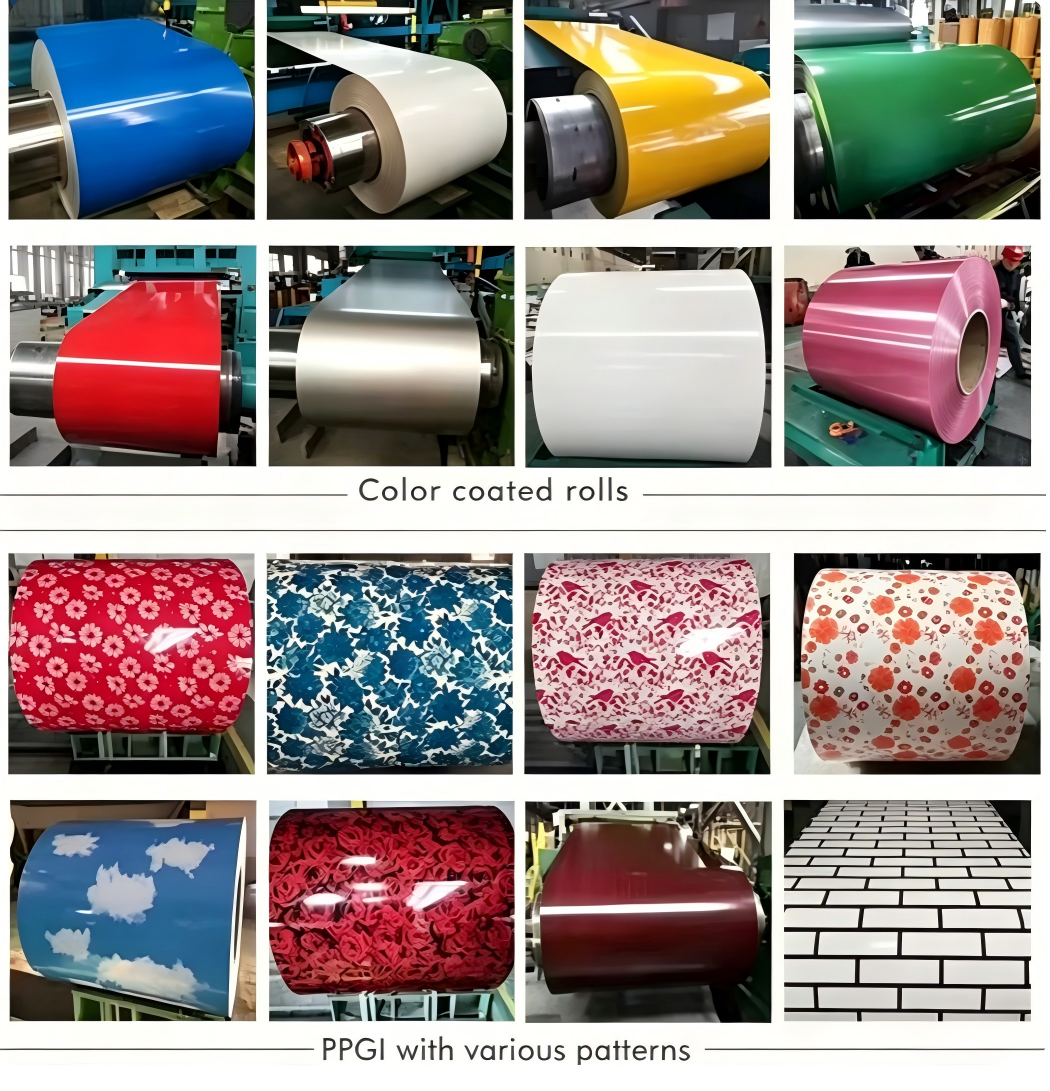 How much is a coil of Colorbond?Price for a Colorbond coil isn’t one fixed number. It depends on the paint system (including paint film thickness), the substrate/material, the base metal thickness, and the coil size you need. It also depends on where you’re buying from and whether the material is stGalvanized Steel Coil/Strip
 -
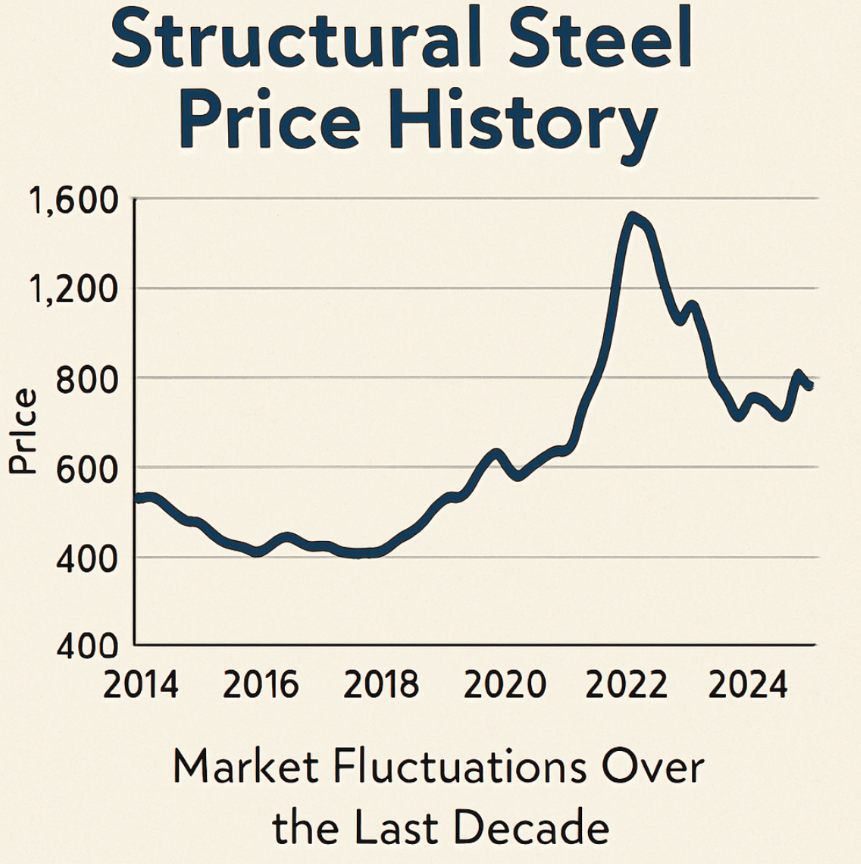 How much does 1 ton of steel costWhether you are planning a massive commercial warehouse or engineering a custom home, steel is the undeniable backbone of modern construction. It offers unparalleled strength, durability, and architectural flexibility. But when it comes time to plan your project budg
 -
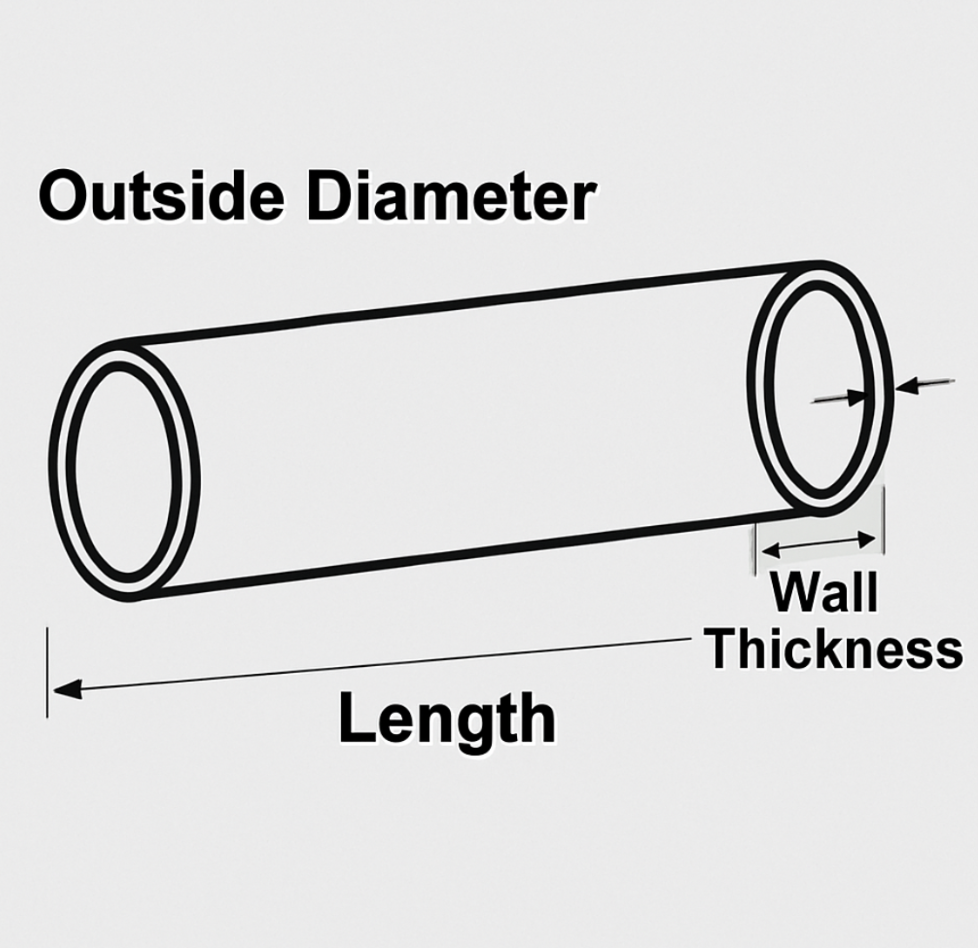 Understanding 316 Stainless Steel Tube DimensionsIf your customers mainly need quick sizing, a table is the fastest way to choose the right 316 stainless steel tube. Use the charts below as a practical starting point, then confirm the exact specification with your supplier and the governing standardStainless Steel Pipe/Tube
