


Products
Steel Beams: Strength, Sizes & Galvanised Benefits


Understanding the Strength of Steel Beams
Steel beams are the backbone of modern construction. They provide essential support and stability to buildings and structures. Their strength and versatility make them indispensable in the construction industry.
Understanding the different types of steel beams is crucial. Each type has unique properties and applications. From I-beams to H-beams, each serves a specific purpose in construction.
Galvanized steel beams offer additional benefits. They resist rust and corrosion, making them ideal for harsh environments. This extends their lifespan and reduces maintenance costs.
Choosing the right steel beam size is vital. It ensures the structure can bear the intended load safely. Proper selection and installation are key to successful construction projects.
Steel beam construction continues to evolve. Advances in technology and materials enhance their performance and sustainability. This makes them a preferred choice for architects and engineers worldwide.
What Are Steel Beams?
Steel beams are fundamental elements in constructing buildings and bridges. Their main function is to support loads and ensure structural stability. Made from high-quality steel, these beams are designed to handle significant weight.
In construction, steel beams differ in shape and size, which influences their specific application. The choice between various types depends on the architectural needs and structural requirements. Common shapes include I-beams and H-beams, each offering unique benefits.
Steel beams stand out due to their:
High strength-to-weight ratio
Ability to span long distances
Resistance to environmental factors
These qualities make steel beams a popular choice for architects and engineers. Their design flexibility allows them to be used in a wide range of projects, ensuring safety and efficiency.
Types of Steel Beams: I-Beams, H-Beams, and More
Steel beams come in several types, each serving distinct purposes in construction. The two most commonly used are I-beams and H-beams. These beams are named for their shape, which resembles their respective letters.
I-beams, also called universal beams, feature a narrow flange and deep web. This design allows them to support significant vertical loads, making them ideal for building frames. Their lightweight nature also aids in handling and installation.
In contrast, H-beams possess a wider flange, offering greater surface support. This makes them suitable for larger construction projects requiring additional load-bearing capacity. They are preferred for taller structures and wide-span roofs.
Beyond I-beams and H-beams, other steel beam types offer unique advantages. Some examples include:
T-beams for supporting concrete floors
Box beams used in columns and heavy load structures
Angle beams for structural reinforcements
This variety allows architects and engineers to select the best beam type for their specific project needs. Choosing the right beam significantly enhances structural integrity and longevity.
The Importance of Steel Beam Sizes
Steel beam sizes are critical in determining a structure's strength and stability. Choosing the correct size ensures that the beams can bear the required loads without compromising safety. Engineers must carefully calculate the load requirements and match them with the appropriate beam size.
Size selection hinges on several factors, including building span and weight distribution. An improperly sized beam could lead to structural stress or, worse, failure. Hence, beam sizing is a fundamental part of construction planning.
Standard steel beam sizes cater to a wide range of construction needs:
Short and narrow beams for light, residential builds
Medium-sized beams for commercial structures
Large beams for industrial projects and high-rises
Each beam size serves a unique purpose, and the proper selection is vital for effective steel beam construction.

Photo credit: Elimende Inagella on Unsplash
Galvanised Steel Beams: Benefits and Applications
Galvanized steel beams are treated with a zinc coating to protect against corrosion. This process significantly enhances their durability, especially in harsh environments. The zinc layer acts as a barrier, shielding the beams from moisture and rust.
These beams are particularly beneficial in outdoor construction. They are ideal for settings exposed to rain, humidity, and salty air. This makes them a preferred choice in coastal and industrial areas where corrosion risk is high.
Key benefits and applications of galvanised steel beams include:
Extended lifespan and reduced maintenance needs
Suitability for bridges and maritime structures
Use in factory and warehouse builds
The choice of galvanised steel extends beyond durability. It can lead to long-term savings by reducing maintenance and replacement costs over time.

Photo credit: Y M on Unsplash
Key Factors in Steel Beam Construction
Constructing with steel beams requires careful planning and expertise. Structural integrity depends on precise calculations. Engineers assess various factors to ensure the beams can handle expected loads safely.
Environmental conditions play a crucial role in beam selection. Wind, seismic activity, and other environmental factors affect design decisions. Proper choice and placement of beams can mitigate risks.
Several key factors influence successful steel beam construction . These include:
Accurate load-bearing capacity assessments
Compliance with local building codes and regulations
Considerations for thermal expansion and contraction
Advancements in technology facilitate more efficient planning. Engineers use computer-aided design (CAD) software to visualize structures. This helps in identifying potential issues before construction begins.
Attention to detail throughout the construction process is crucial. Errors in installation can lead to significant structural problems. Regular inspections and maintenance enhance beam longevity and performance.

Photo credit: Community Archives of Belleville and Hastings County on Unsplash
How to Choose the Right Steel Beam for Your Project
Selecting the appropriate steel beam is crucial for any construction project. Understanding load requirements and environmental conditions is essential. This ensures safety and functionality.
Consideration should be given to several factors before making a choice. The span of the structure and expected loads play a significant role. Different applications may necessitate different types or sizes of beams.
When evaluating options, consider the following:
Type of beam: I-beams, H-beams, or other variants
Material treatment: galvanized for corrosion resistance
Size and weight for intended load-bearing and span
Consulting with an engineer is advisable to ensure optimal selection. An expert can provide guidance tailored to the specific needs of your project. Proper selection minimizes risks and contributes to the longevity of the structure.
Modern Innovations and Sustainability in Steel Beam Use
The construction industry is rapidly evolving, with innovations in steel beam technology. These developments enhance both efficiency and sustainability in building practices. Advances in manufacturing processes yield stronger and lighter beams.
Sustainability is a growing focus in construction. Steel beams are recyclable, reducing environmental impact. Using recycled steel helps conserve resources and lowers energy consumption.
Key innovations enhancing sustainability include:
Prefabrication techniques reducing waste
Use of high-strength, low-alloy steel
Integration of computer-aided design (CAD) for precision

Photo credit: Squids Z on Unsplash
These innovations support green building standards and environmentally friendly practices. They offer flexibility in design while maintaining structural integrity. Emphasizing sustainable development, they allow architects to create innovative, efficient, and eco-conscious structures.
Conclusion: The Future of Steel Beams in Construction
Steel beams have a bright future in the construction world. They continuously adapt to technological advancements and environmental considerations. Their blend of strength, versatility, and eco-friendliness keeps them indispensable in modern architecture.
As urban landscapes evolve, so will the demand for innovative steel beam applications. The push for sustainable building practices ensures steel beams remain a leading choice. They are essential for safe, efficient, and groundbreaking construction projects.
Further reading
Related Blogs
-
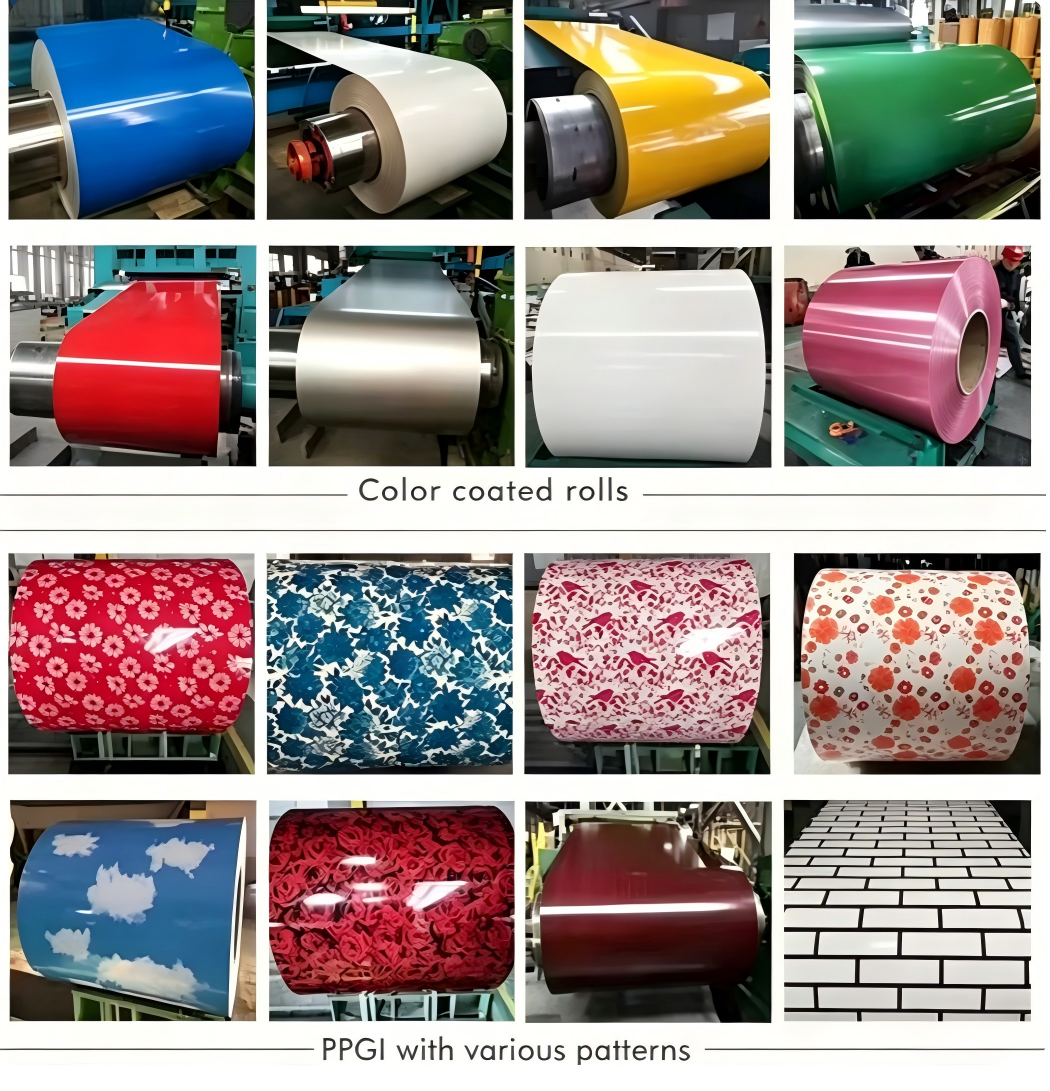 How much is a coil of Colorbond?Price for a Colorbond coil isn’t one fixed number. It depends on the paint system (including paint film thickness), the substrate/material, the base metal thickness, and the coil size you need. It also depends on where you’re buying from and whether the material is stGalvanized Steel Coil/Strip
 -
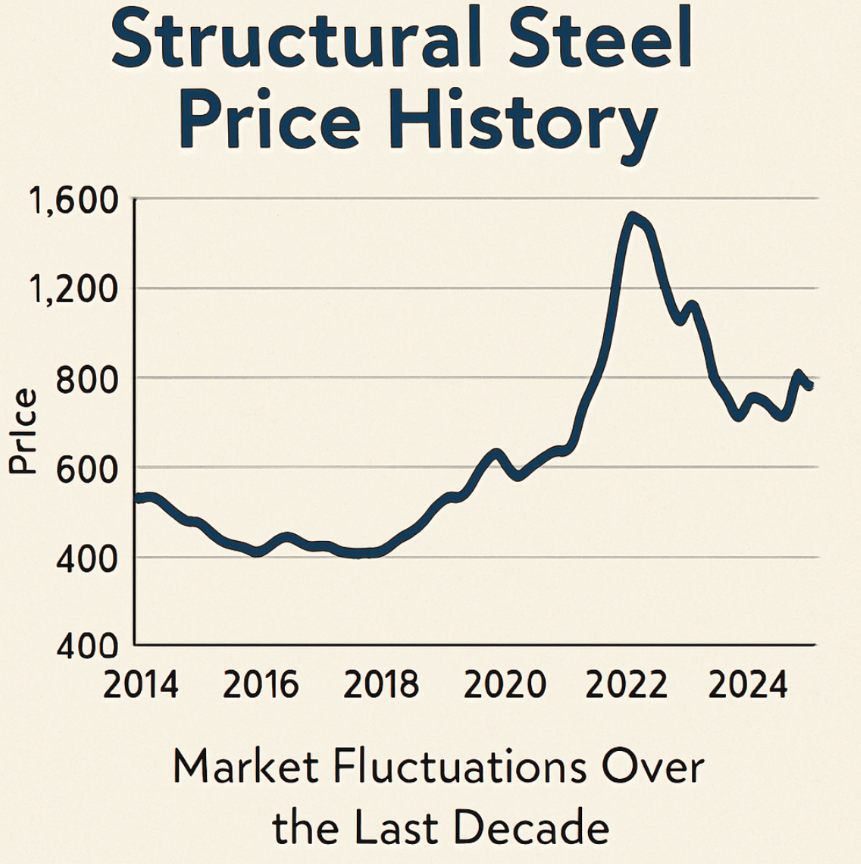 How much does 1 ton of steel costWhether you are planning a massive commercial warehouse or engineering a custom home, steel is the undeniable backbone of modern construction. It offers unparalleled strength, durability, and architectural flexibility. But when it comes time to plan your project budg
 -
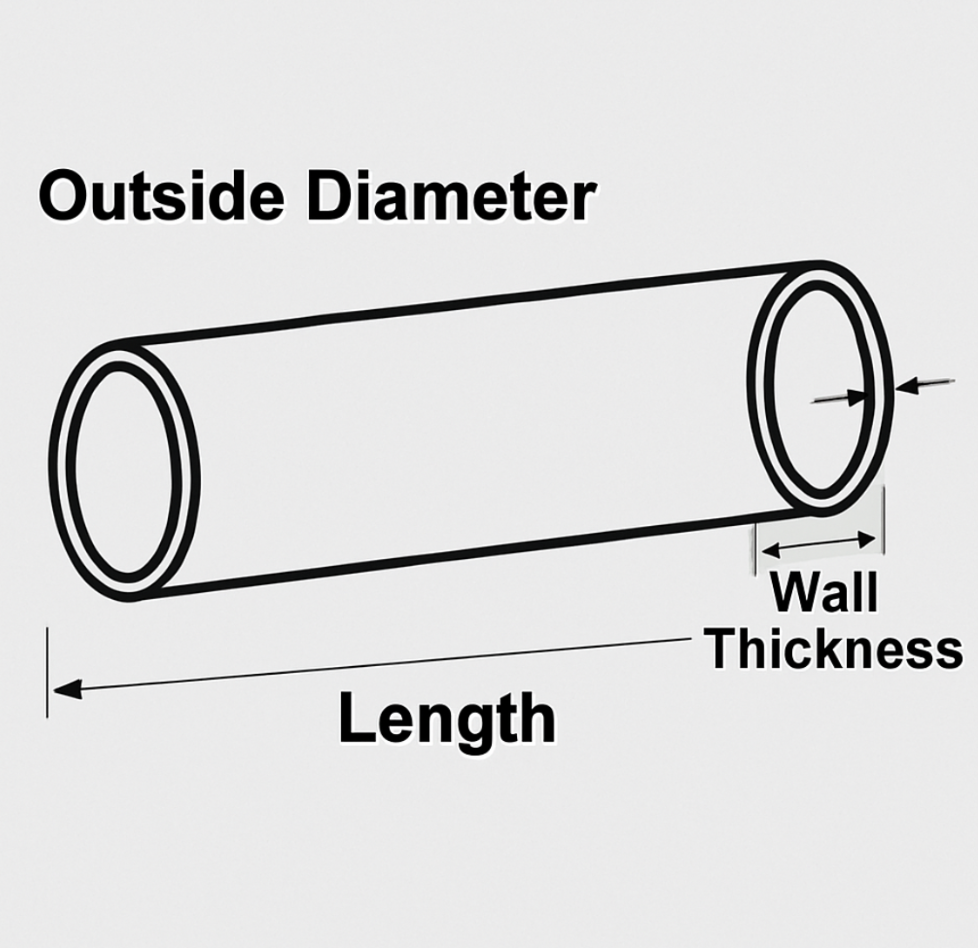 Understanding 316 Stainless Steel Tube DimensionsIf your customers mainly need quick sizing, a table is the fastest way to choose the right 316 stainless steel tube. Use the charts below as a practical starting point, then confirm the exact specification with your supplier and the governing standardStainless Steel Pipe/Tube
