


Products
H, W, S Beams: Key Differences & Uses


The Differences Between H Beams, W Beams, and S Beams
Steel beams are essential in construction. They provide support and stability to structures. Among the various types,H Beams, W Beams, and S Beams are widely used.
Each beam type has unique characteristics. Understanding these differences is crucial for selecting the right beam for your project. This choice impacts the structure's safety and efficiency.
H Beams, also known as Universal Beams, are versatile. W Beams, or Wide Flange Beams, offer wide flanges for stability. S Beams, known as American Standard Beams, have tapered flanges.
Choosing the correct beam type depends on project needs. Factors like load requirements and budget play a role. This guide will help you make informed decisions.
Overview of Steel Beam Types
Steel beams form the backbone of many construction projects. They offer the necessary support for buildings, bridges, and other structures. Understanding the different types of beams helps in selecting the correct one for specific applications.
Steel beams come in various shapes and sizes. Among them, three primary types are often discussed: H Beams, W Beams, and S Beams. Each has distinctive features that cater to different structural needs.
If you want a quick reference for common beam terminology, see the AISC Steel Glossary. For a general (non-code) overview of I-shaped beams, see I-beam.
Key attributes of steel beam types include:
H Beams: Universal, strong, thick web.
W Beams: Wide flanges, long spans, flexible.
S Beams: Tapered flanges, lighter, economical.
By understanding these different beam types, engineers and architects can ensure structural integrity and cost-effectiveness. Choosing the right type is crucial for construction success.
For dimensions, weights, and section properties used in U.S. practice, the AISC Shapes Database is a standard reference (also linked through Steel Construction Manual Resources).
What Are H Beams?
H Beams, also known as Universal Beams, are named for their distinct H-shaped cross-section. These beams have a strong, uniform thickness that makes them ideal for large-scale projects. This design contributes to their robust load-bearing capacity.
A notable feature of H Beams is their strength and durability. They are commonly used in heavy-duty applications such as bridges, skyscrapers, and large industrial buildings. Their thick web provides significant resistance to bending forces.
Key characteristics of H Beams include:
Uniform Thickness: Flanges and web maintain consistent thickness.
High Load Capacity: Suitable for supporting large weights.
Versatility: Used in various heavy and industrial constructions.
Although H Beams are more expensive due to their size, their strength justifies the cost for projects requiring substantial support. These beams are a popular choice in areas with seismic activity, ensuring stability and safety.
What Are W Beams?
W Beams, often referred to as Wide Flange Beams, are recognized for their broad flanges. These beams have flanges that extend further from the web, providing increased stability. Their design makes them adaptable to a variety of construction uses.
One of the main advantages of W Beams is their ability to span longer distances without additional support. This feature is particularly beneficial in frameworks for residential and commercial buildings. With such flexibility, they prove useful in diverse construction settings.
Significant features of W Beams include:
Wide Flanges: Broader than those in other beam types.
Long Spans: Ideal for projects requiring fewer supports.
Cost-Effective: Balance between affordability and strength.
In U.S. structural steel, W shapes are commonly specified as ASTM A992; see ASTM A992/A992M for the standard reference.
W Beams are a preferred choice in construction scenarios where range and flexibility are vital. They commonly appear in building frames, platforms, and even highway infrastructures.

What Are S Beams?
S Beams, also known as American Standard Beams, are characterized by their narrow, tapered flanges. These beams are distinct because their flange tips are narrower than their base. This design offers a unique aesthetic appeal.
While S Beams may not possess the same strength as other types, they provide an advantage in terms of weight. Their lighter design makes them easier to handle and transport. This is particularly advantageous in smaller-scale projects.
Notable characteristics of S Beams include:
Tapered Flanges: Offers a traditional aesthetic.
Lighter Weight: Easier for handling and installation.
Cost-Effective: Suitable for projects with limited budgets.
In the U.S., some S shapes may be supplied to ASTM A36; see ASTM A36/A36M for the standard reference.
Due to their design and weight, S Beams are commonly used in renovations, retrofits, and projects where aesthetics matter.

H Beams vs W Beams vs S Beams: Key Differences
Understanding the differences between H Beams, W Beams, and S Beams is crucial for choosing the right one. Each beam type is designed with specific characteristics tailored to various uses.
H Beams, with their thicker webs and uniform flanges, are the choice for projects needing robust support. They can bear heavier loads over long spans. On the other hand, W Beams are favored for their wide flanges, enabling stability in diverse conditions and longer span capacities.
S Beams offer an old-fashioned charm with tapered flanges. They're suitable for projects where weight constraints and aesthetic considerations are significant. Their lighter nature makes them ideal for small-scale renovations.
Key differences include:
Flange Design: H and W Beams have straight flanges; S Beams have tapered flanges.
Load Capacity: H Beams carry the largest loads; W Beams excel in span versatility.
Application Suitability: S Beams fit projects with lighter loads and limited budget.
The distinctive characteristics of each beam type inform their suitability for various structural demands.
Applications and Uses of Each Beam Type
Each steel beam type caters to specific construction needs, proving essential for different project scales and challenges. Understanding their applications can help builders optimize structural performance and costs.
H Beams are known for their strength and are often implemented in large infrastructures like bridges, skyscrapers, and industrial buildings. Their robustness allows them to support substantial loads and span impressive distances without additional support structures.
W Beams boast wide usage in building frameworks, especially in residential and commercial constructions. They are versatile enough for infrastructure projects, adding stability to bridges and platforms due to their expansive flange width.
S Beams are perfect for smaller projects or renovations where weight and budget are limiting factors. Their tapered flanges and lighter weight make them suitable for less demanding structural scenarios.
Applications in summary include:
H Beams: Bridges, high-rise buildings, industrial projects.
W Beams: Residential, commercial buildings, infrastructure like roads.
S Beams: Home renovations, small-scale constructions, retrofits.

How to Choose the Right Steel Beam for Your Project
Selecting the appropriate steel beam type requires careful assessment of the project's demands. Analyze factors like load requirements, span length, and budget constraints. Each beam type has unique benefits that could align with specific project needs.
Consult structural engineers to ensure the beam's capability to withstand anticipated loads. Project locati0n and environmental conditions also play a crucial role in beam selection. Consider the overall aesthetics and design preferences if the beam will be visible.
For U.S. design code references, see AISC Steel Construction Standards.
Key considerations include:
Load capacity requirements
Project scale and design
Environmental and aesthetic factors
Conclusion
Understanding the differences between H Beams, W Beams, and S Beams is essential for successful construction. Each beam type offers unique features suited to varying project requirements. Selecting the right beam ensures structural integrity, cost-efficiency, and alignment with design expectations.
When planning your next construction project, consider both the technical demands and aesthetic preferences. Collaborate with engineers and architects to make informed decisions. This approach not only optimizes performance but also helps in executing a project that's efficient and sustainable. The right beam choice can significantly impact the project’s overall success and longevity.
Related Blogs
-
 How much is a coil of Colorbond?Price for a Colorbond coil isn’t one fixed number. It depends on the paint system (including paint film thickness), the substrate/material, the base metal thickness, and the coil size you need. It also depends on where you’re buying from and whether the material is stGalvanized Steel Coil/Strip
 -
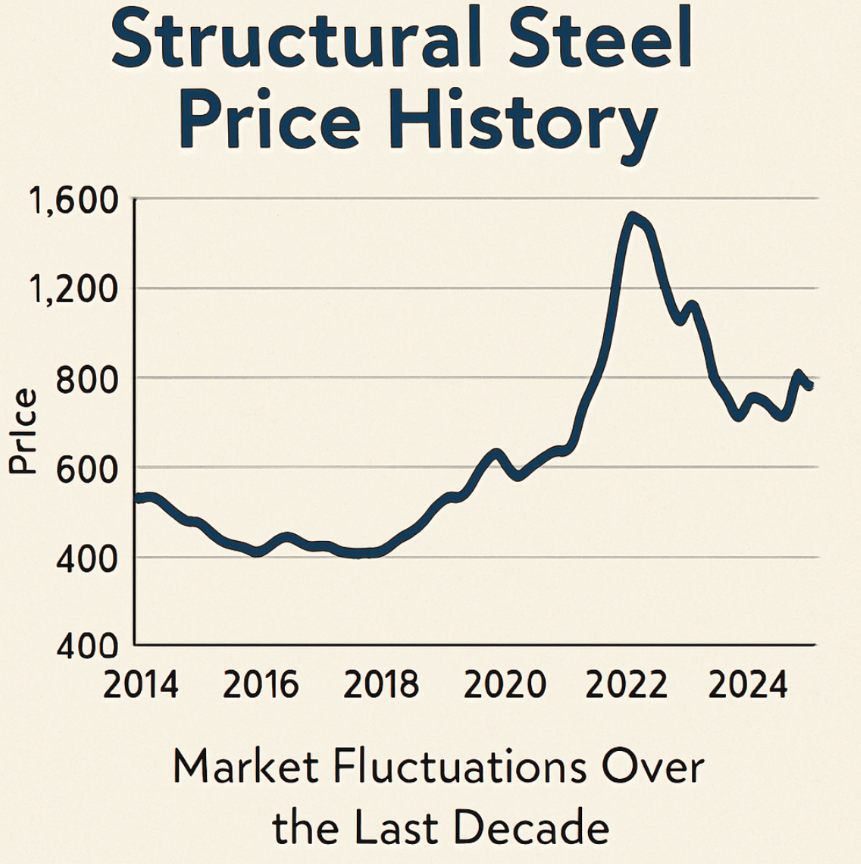 How much does 1 ton of steel costWhether you are planning a massive commercial warehouse or engineering a custom home, steel is the undeniable backbone of modern construction. It offers unparalleled strength, durability, and architectural flexibility. But when it comes time to plan your project budg
 -
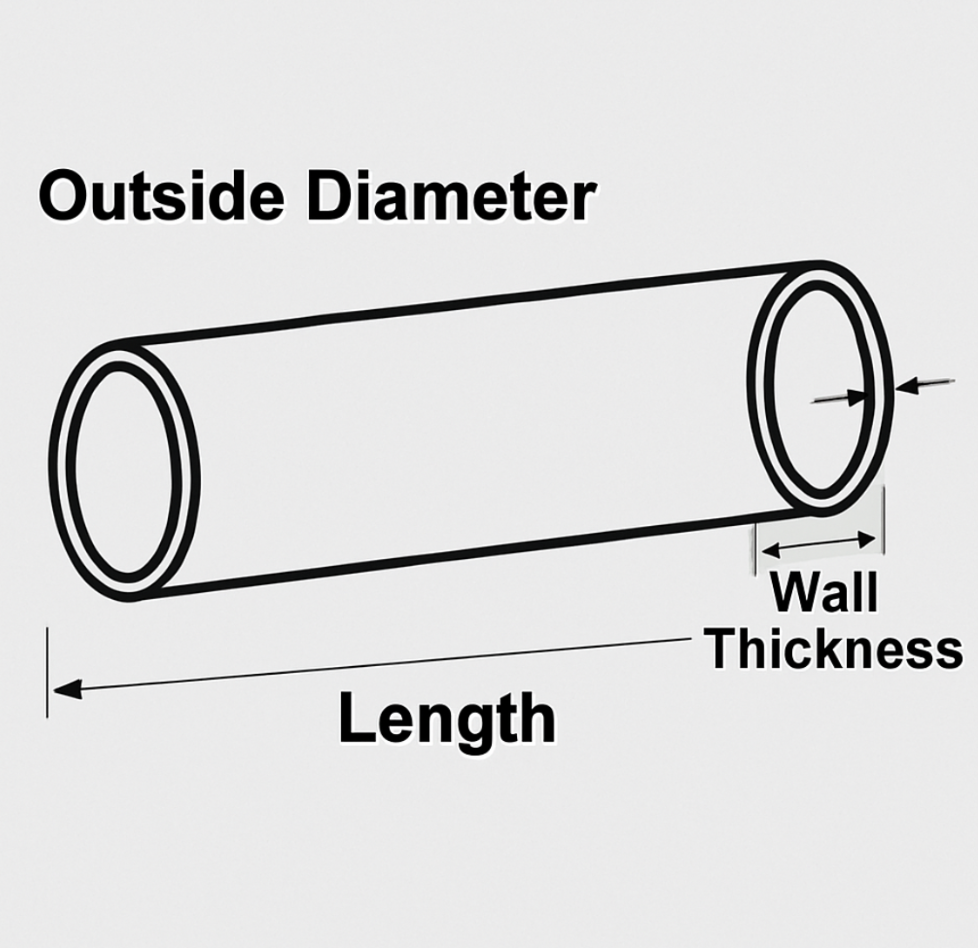 Understanding 316 Stainless Steel Tube DimensionsIf your customers mainly need quick sizing, a table is the fastest way to choose the right 316 stainless steel tube. Use the charts below as a practical starting point, then confirm the exact specification with your supplier and the governing standardStainless Steel Pipe/Tube
