


Products
Steel Buildings & Structures: Durable, Cost-Effective Solutions


Steel Buildings Steel Structure
Steel buildings and steel structures are revolutionizing the construction industry. They offer unmatched durability and strength. These structures can withstand harsh weather, including high winds and heavy snow.
The core of these buildings is the steel frame. It provides essential support and stability. Steel fabrication involves cutting, bending, and assembling steel to create these robust structures.
Metal buildings are versatile. They serve commercial, industrial, agricultural, and residential purposes. Their design flexibility allows for customization to meet specific needs.
Steel buildings are cost-effective and sustainable. They require minimal maintenance and are recyclable. This makes them an attractive option for budget-conscious projects.
Advances in steel fabrication technology have improved construction precision. This ensures components fit seamlessly, reducing errors. Steel buildings are a smart choice for modern construction needs.
What Are Steel Buildings and Steel Structures?
Steel buildings are constructed using high-strength steel, known for its durability. These structures can range from simple sheds to complex skyscrapers. They are designed to last.
A steel structure refers to any framework built with steel components. This includes beams, columns, and trusses. The term encompasses a wide array of building types.
Key characteristics of steel buildings and structures include:
Durability: Resistant to wear and tear.
Strength: Can bear significant loads.
Versatility: Suitable for various applications.
These buildings are quickly becoming a popular choice. Their appeal lies in their ability to adapt and endure. Steel offers benefits traditional materials cannot match.
Key Components: Steel Frame and Steel Fabrication
The steel frame forms the backbone of steel buildings. It offers structural support and stability. Its assembly involves precise engineering and design.
Steel fabrication is the process of transforming raw steel into usable structures. This involves cutting, bending, and assembling steel components. Skilled labor and advanced machinery are essential.
Key aspects of the steel frame and fabrication process include:
Precision: Ensuring accuracy in cuts and measurements.
Efficiency: Utilizing advanced technology for faster production.
Customization: Adapting designs to meet specific needs.
These components integrate seamlessly to create a robust framework. The precision in fabrication ensures that each piece fits flawlessly. This reduces errors and speeds up construction time.
Ultimately, the combination of the steel frame and fabrication techniques enhances building performance. They ensure safety and longevity while providing unparalleled design freedom.
Benefits of Steel Buildings
Steel buildings offer remarkable durability and strength. They can withstand harsh weather conditions like high winds and heavy snow. This makes them ideal for various environments.
Another benefit is their fire resistance, enhancing safety. Insurance costs can be lower due to this feature. Steel is non-combustible, providing peace of mind.
Steel structures are also pest-resistant. Unlike wood, they aren't vulnerable to termites. This reduces maintenance needs and long-term repair costs.

Construction speed is a significant advantage. Steel buildings are often prefabricated, which speeds up on-site assembly. Quick construction translates to savings on labor costs.
Sustainability is a key feature of steel. It's recyclable and plays a role in green building practices. This reduces the environmental footprint of construction projects.
Key benefits include:
Durability: Long-lasting and weather-resistant.
Cost-Effectiveness: Lower insurance and maintenance costs.
Sustainability: Eco-friendly and recyclable material.
Overall, steel buildings provide an efficient and economical solution for modern construction needs. They cater to a variety of applications while ensuring lasting performance.
Applications of Metal Buildings
Metal buildings are versatile solutions for diverse applications. They are common in commercial, industrial, and residential sectors. Their adaptability allows them to meet specific needs effectively.
In the commercial realm, metal buildings serve as retail spaces and offices. Their clear-span design supports large open areas, perfect for shopping floors and workstations.
Industrial applications are extensive due to their robustness. Warehouses, factories, and storage facilities benefit from the strength of steel structures. They can house heavy machinery and equipment securely.

Even in agriculture, metal buildings are prominent. Barns, silos, and sheds are often constructed using steel. They protect valuable equipment and crops from environmental elements.
Applications include:
Commercial: Retail stores and office buildings.
Industrial: Factories and storage facilities.
Agricultural: Barns and silos.
In essence, the versatility of steel buildings ensures they fit seamlessly into a wide range of uses. Their design flexibility allows them to be tailored to unique requirements.
The Steel Fabrication and Construction Process
The process of constructing steel buildings begins with steel fabrication. Fabrication involves precise cutting and bending of steel. These processes shape the steel components to fit detailed designs.
Once fabricated, the components are transported to the construction site. Prefabrication streamlines on-site assembly, reducing construction time significantly. This efficiency is a key advantage of steel structures.
The assembly process is structured and organized. Skilled workers piece together the steel frame, ensuring stability. This frame provides the core support for the entire building.
Throughout the construction phase, precision is crucial. Steel components must align perfectly for safety and durability. Advanced technologies aid in maintaining this precision.
Steps involved in the steel construction process include:
Design: Detailed planning and drafting of the structure.
Fabrication: Shaping steel components through cutting and bending.
Assembly: Constructing the building on-site with pre-fabricated parts.
In sum, the construction of steel buildings combines artistry and engineering precision. Advanced methods ensure that the building stands robustly, ready to face environmental challenges.
Sustainability and Cost-Effectiveness
Steel buildings stand out for their sustainability. Steel is 100% recyclable, making it an eco-friendly choice. Reusing steel reduces waste and supports the circular economy.
Cost-effectiveness is another critical advantage. Steel structures often lead to savings in both material and labor costs. The quick assembly time contributes to reduced project expenses.
Steel structures require minimal maintenance. This reduces long-term costs. Regular upkeep of traditional buildings can be expensive.
Key sustainability and cost benefits of steel structures include:
Recyclability: Supports eco-friendly construction practices.
Lower Maintenance: Minimal upkeep needed over time.
Efficient Resources: Construction with fewer materials and labor.
Choosing steel not only benefits the budget but also the planet. Its sustainability and affordability make it a wise investment.
Design Flexibility and Future Expansion
Steel buildings offer remarkable design flexibility. Architects can explore unique and innovative shapes. Customizing structures to meet specific needs is straightforward.
The ability to expand is another advantage. Steel structures are easy to modify. This makes accommodating future growth simple and efficient.
Key aspects of steel buildings' design flexibility and expansion include:
Customizable Designs: Adaptable to varied architectural visions.
Ease of Expansion: Supports future growth seamlessly.
Innovative Shapes: Encourages creative construction projects.
Choosing steel allows for flexible designs that evolve with changing needs. This adaptability makes steel a favored choice for modern projects.
Conclusion: Why Choose Steel Structures?
Steel buildings stand out due to their robustness and adaptability. They offer unparalleled durability and resistance to environmental challenges. For both commercial and residential projects, steel is a preferred choice.
Cost-effectiveness is another compelling advantage. Steel structures require minimal maintenance, saving money over time. Their rapid construction process also reduces labor costs, making them budget-friendly.
Finally, sustainability is a key factor. Steel is recyclable, contributing to eco-friendly building practices. Choosing steel structures supports both practical and environmental goals, making them an ideal construction solution.If you have any structural requirements, please feel free to contact us at any time.
Related Blogs
-
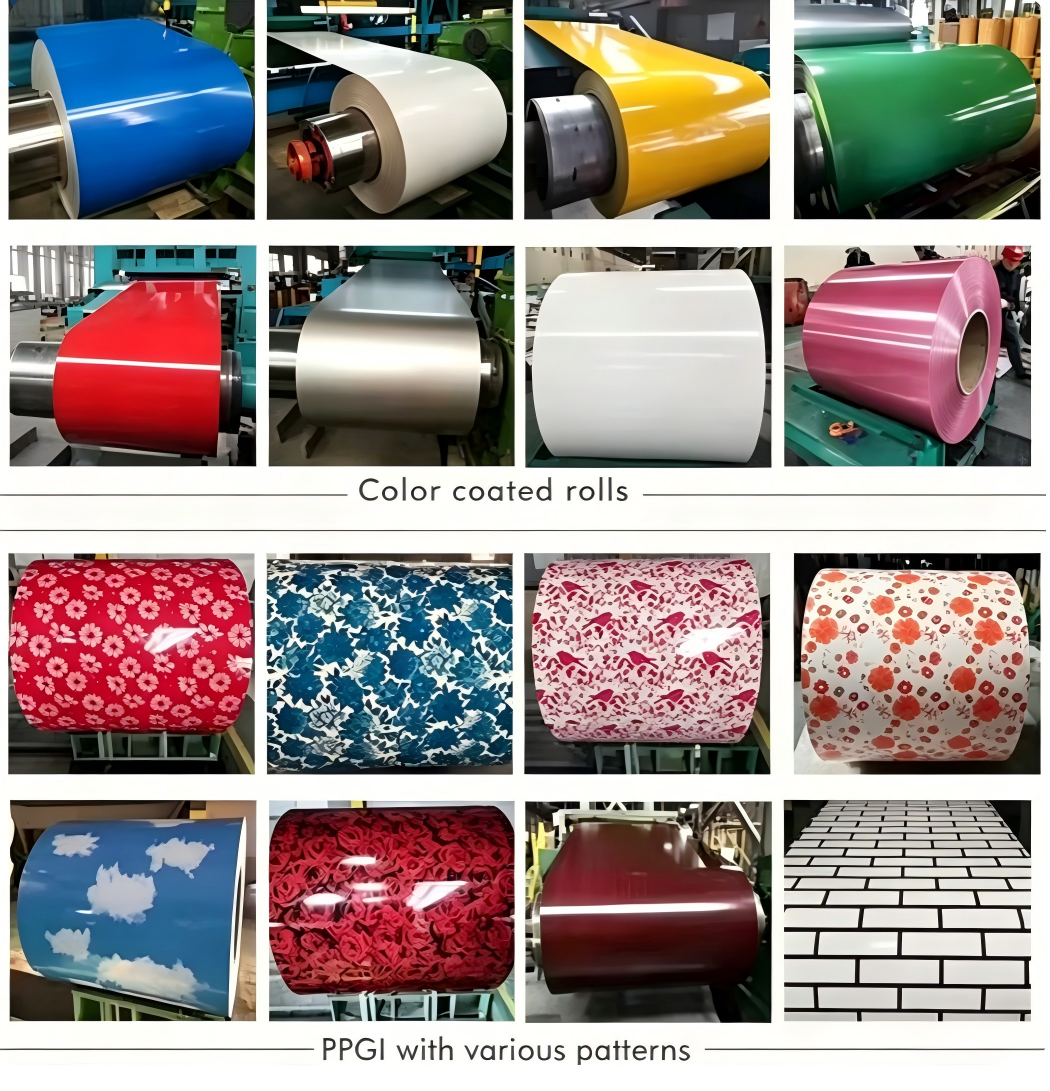 How much is a coil of Colorbond?Price for a Colorbond coil isn’t one fixed number. It depends on the paint system (including paint film thickness), the substrate/material, the base metal thickness, and the coil size you need. It also depends on where you’re buying from and whether the material is stGalvanized Steel Coil/Strip
 -
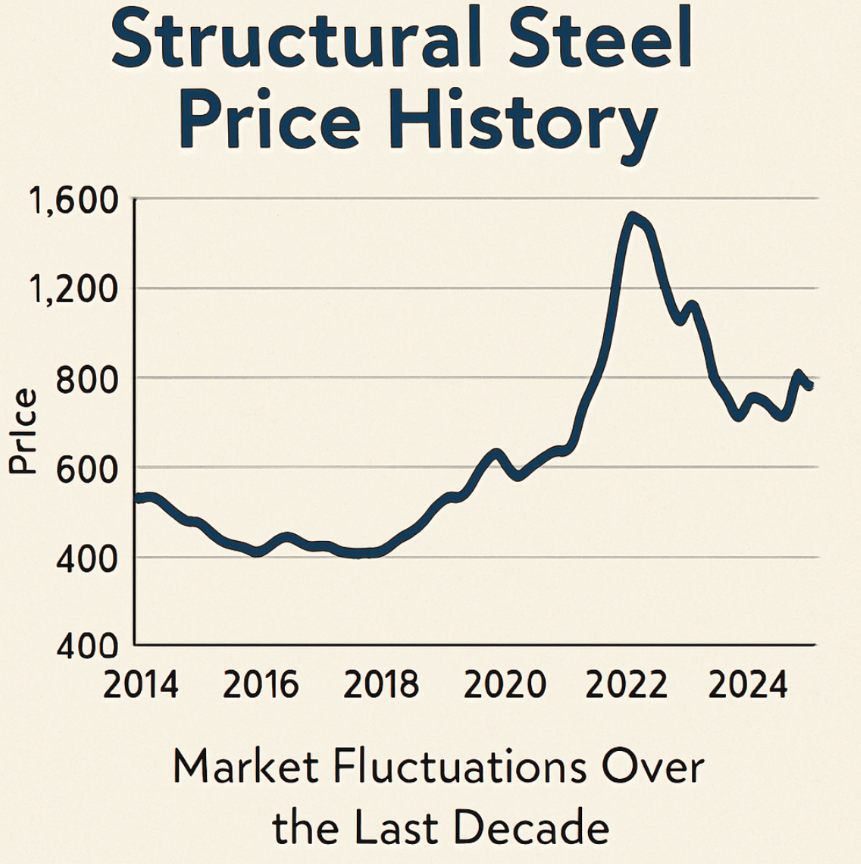 How much does 1 ton of steel costWhether you are planning a massive commercial warehouse or engineering a custom home, steel is the undeniable backbone of modern construction. It offers unparalleled strength, durability, and architectural flexibility. But when it comes time to plan your project budg
 -
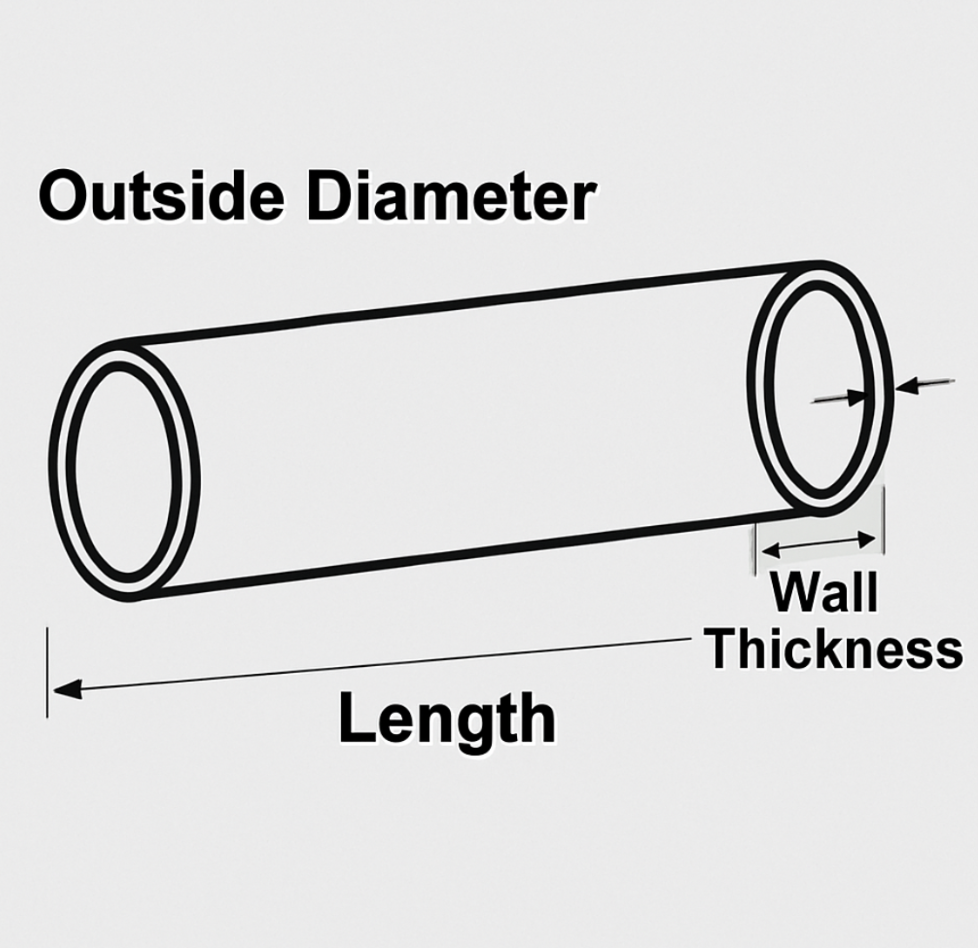 Understanding 316 Stainless Steel Tube DimensionsIf your customers mainly need quick sizing, a table is the fastest way to choose the right 316 stainless steel tube. Use the charts below as a practical starting point, then confirm the exact specification with your supplier and the governing standardStainless Steel Pipe/Tube
